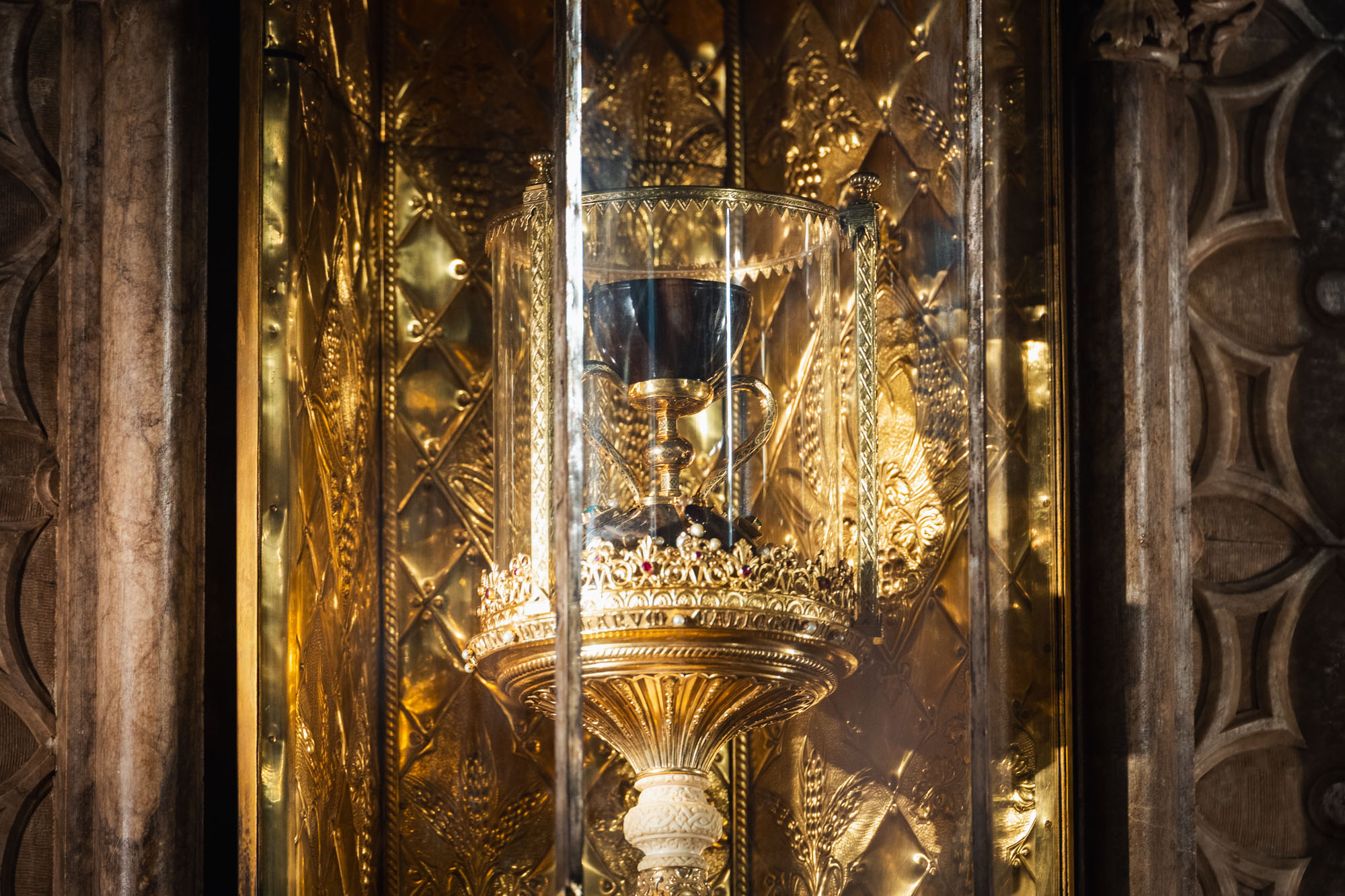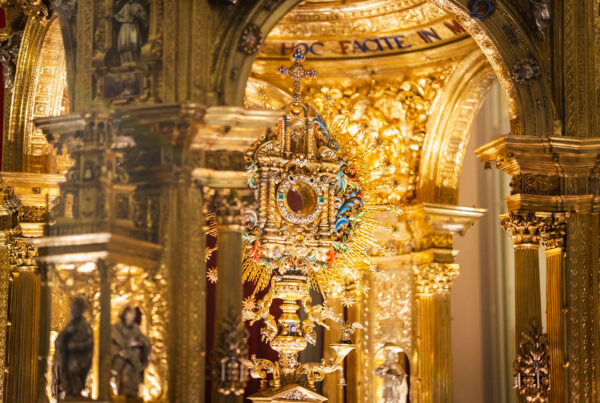
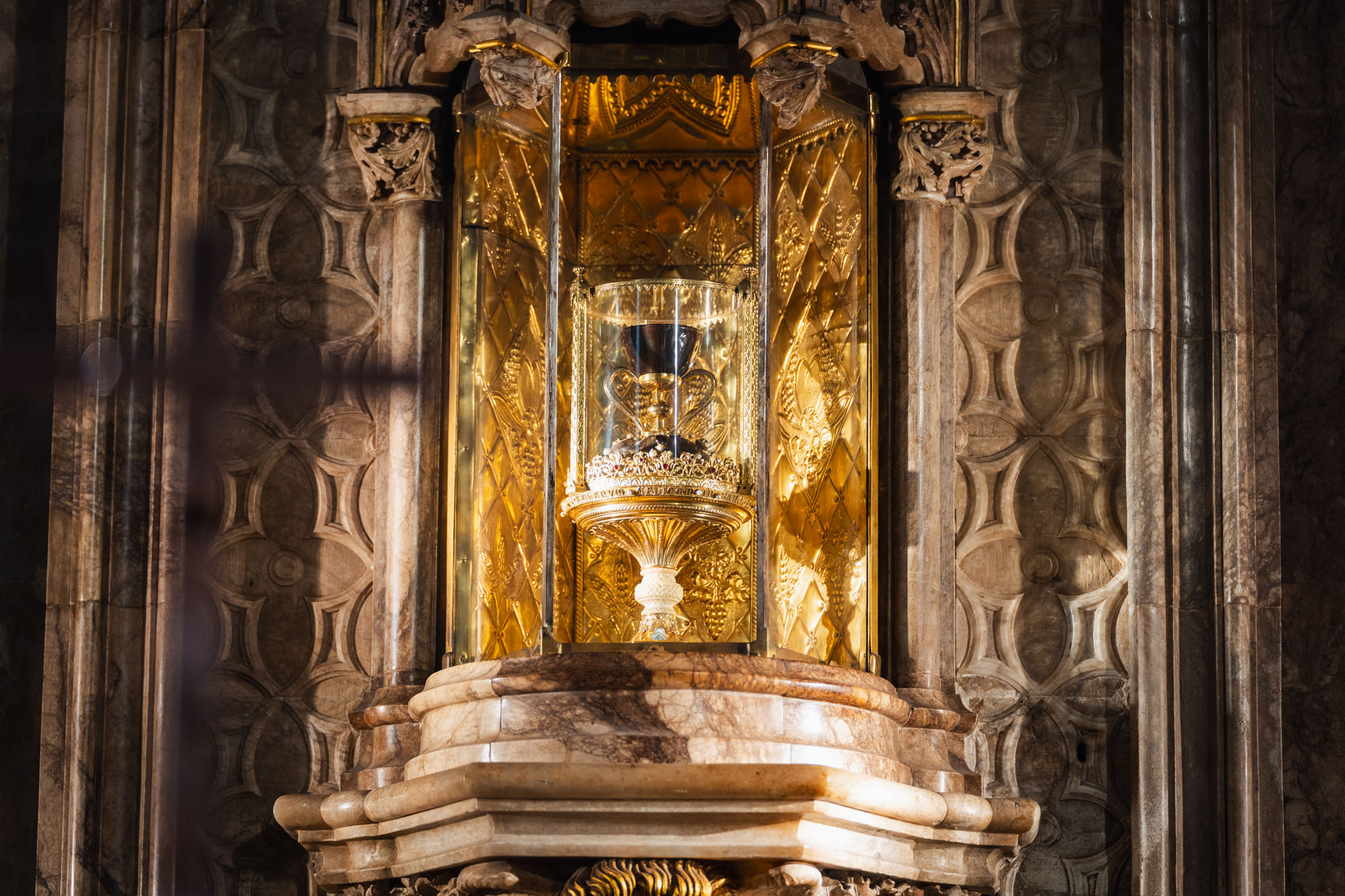
Holy Grail of Valencia, when I first learned about the Holy Grail of Valencia, let me be honest—I was very skeptical. How can we possibly trace a single object back 2,000 years and be sure it was truly used by Our Lord Jesus Christ during the Last Supper?
I finally had the chance to see it with my own eyes and photograph it.
Let’s dig into the history of the Holy Grail—the Chalice of Valencia, the Santo Cáliz.
City of Valencia
The history of Valencia goes all the way back to 138 BC, when it was founded under the name Valentia Edetanorum as a settlement for Roman soldiers on the banks of the Turia River.
In 714 AD, Valencia fell into Muslim hands and was called Balansiya, continuing to grow culturally and economically. Christians had to wait until 1238, when King James I of Aragon reconquered the city. This marked a crucial moment in Valencia’s history, as it became the capital of the Kingdom of Valencia.
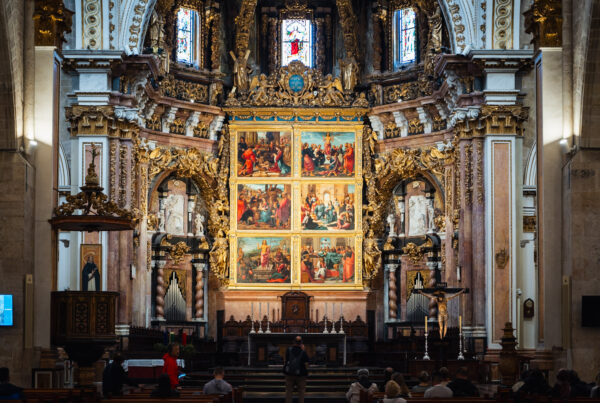
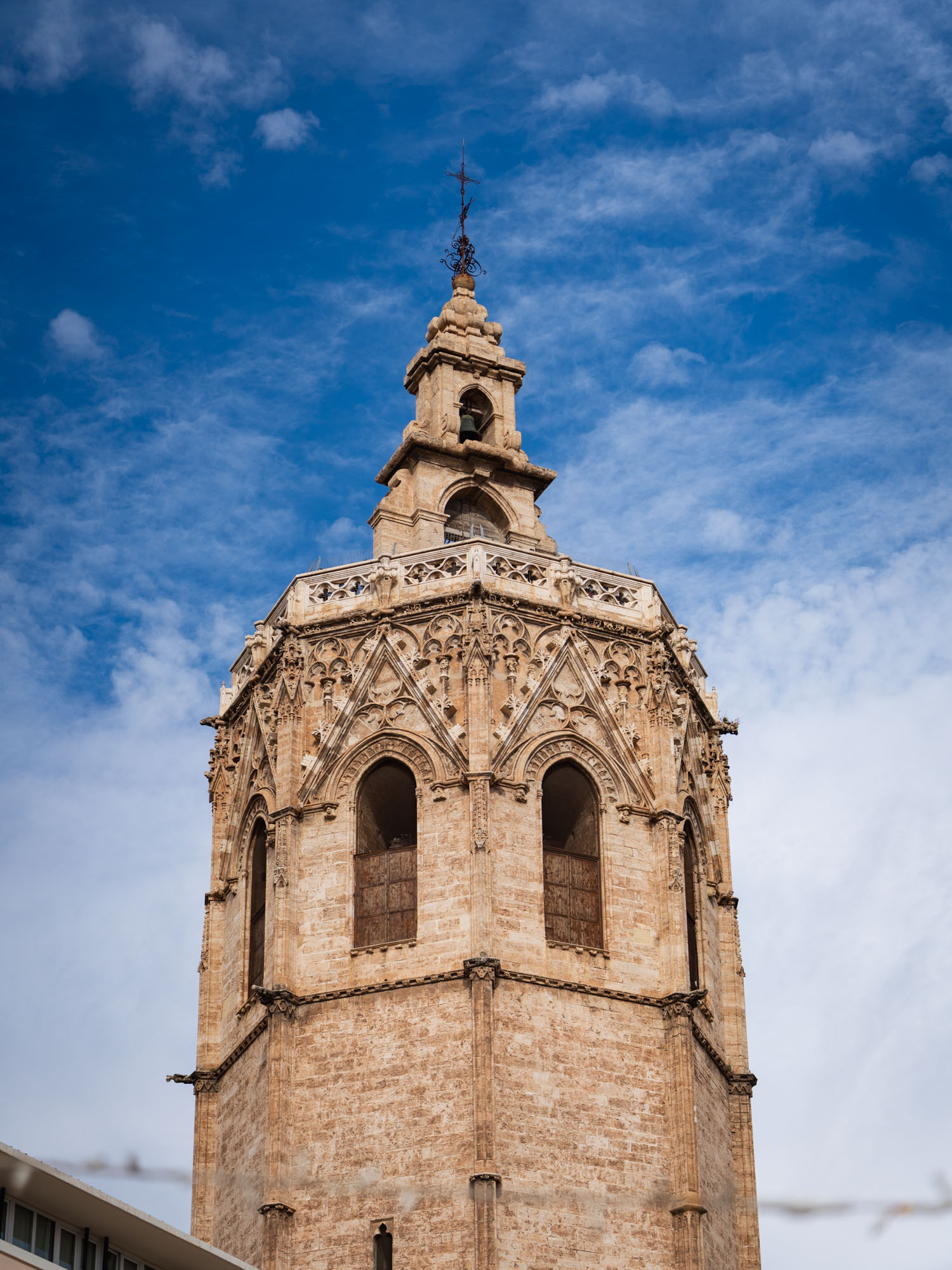
It was at this time that Valencia Cathedral was built—consecrated in 1238—on the foundations of former mosques.
 History of the Holy Grail of Valencia
It took almost another 200 years for the Holy Grail to make its way to Valencia. In 1424, King Alfonso the Magnanimous transferred the Holy Grail to the Royal Palace of Valencia, which was his residence.
The king needed significant resources to conquer the Kingdom of Naples, and much of his funding came from the ecclesiastical hierarchy in exchange for sacred relics, including the Holy Grail, which was permanently transferred in 1437.
But how did it come into the hands of King Alfonso?
He was the grandnephew of King Martin I of Aragon, who had received the chalice from the monks of the Monastery of San Juan de la Peña near Huesca—the hometown of Saint Lawrence’s parents.
Saint Lawrence is believed to have brought the chalice to Spain around the year 258, when the persecution under Emperor Valerian began.
Before that, the Holy Grail was used by the Popes, up until Pope Sixtus II (bishop of Rome from 257–258). The chalice had been handed down from Saint Peter, who brought it to Rome.
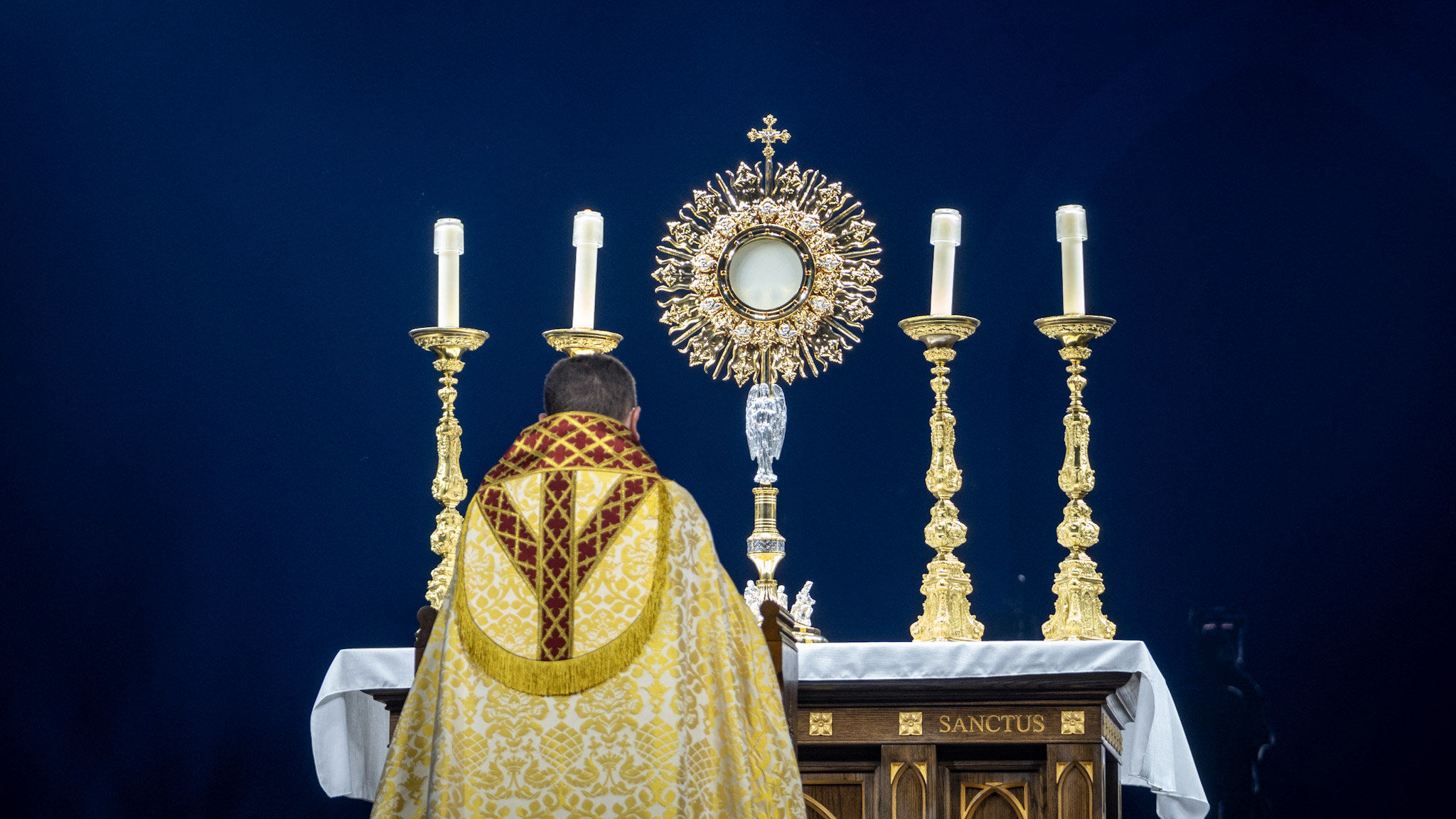
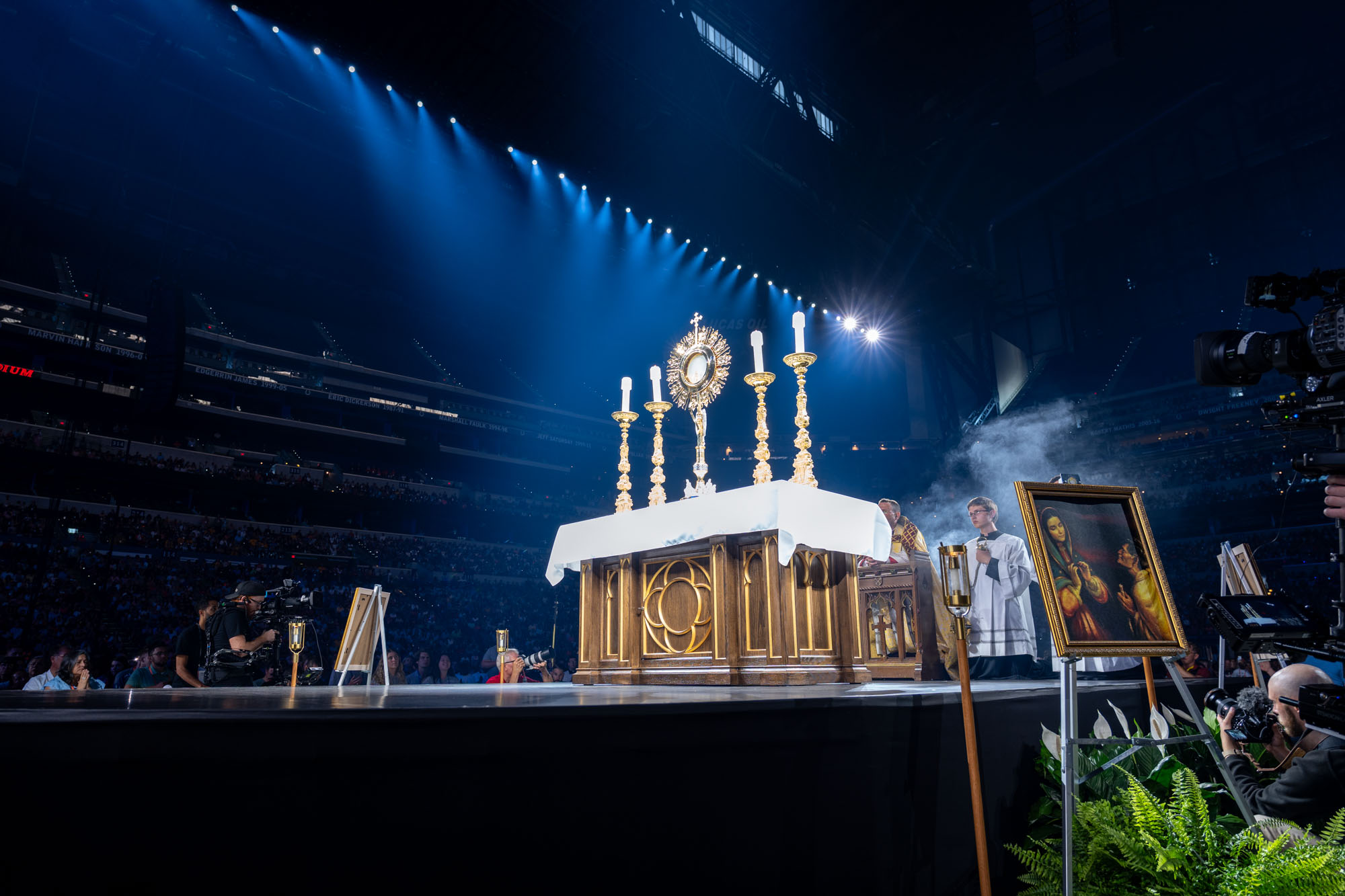
In modern times, Saint John Paul II the Great and Pope Benedict XVI both used this chalice while celebrating Holy Mass in Valencia.
Holy Grail Truth or Myth?
The Gospel of Matthew (26:27–29) says:
And He took a cup and when He had given thanks He gave it to them saying “Drink this, all of you; for this is My blood of the covenant, which is poured out for many for the forgiveness of sins. I tell you, I shall not drink again of the fruit of the vine until I drink it new with you in My Father’s kingdom.”
The Last Supper is a well-known event described in the Gospels of Mark and Luke, as well as by the Apostle Paul in First Corinthians. The story of the Holy Grail of Valencia fits best with the narrative of the chalice used by Our Lord Jesus Christ during the Last Supper.
Did you know that there are several other chalices that also claim to be the Holy Grail?
These include the Sacro Catino in Genoa Cathedral; the Chalice of Doña Urraca, kept in the Basilica of Saint Isidore in León, Spain; and the Nanteos Cup, housed at the National Library of Wales in Aberystwyth.
Is the Holy Grail of Valencia truly the chalice used by Our Lord Jesus? There is no way to prove that it is not.