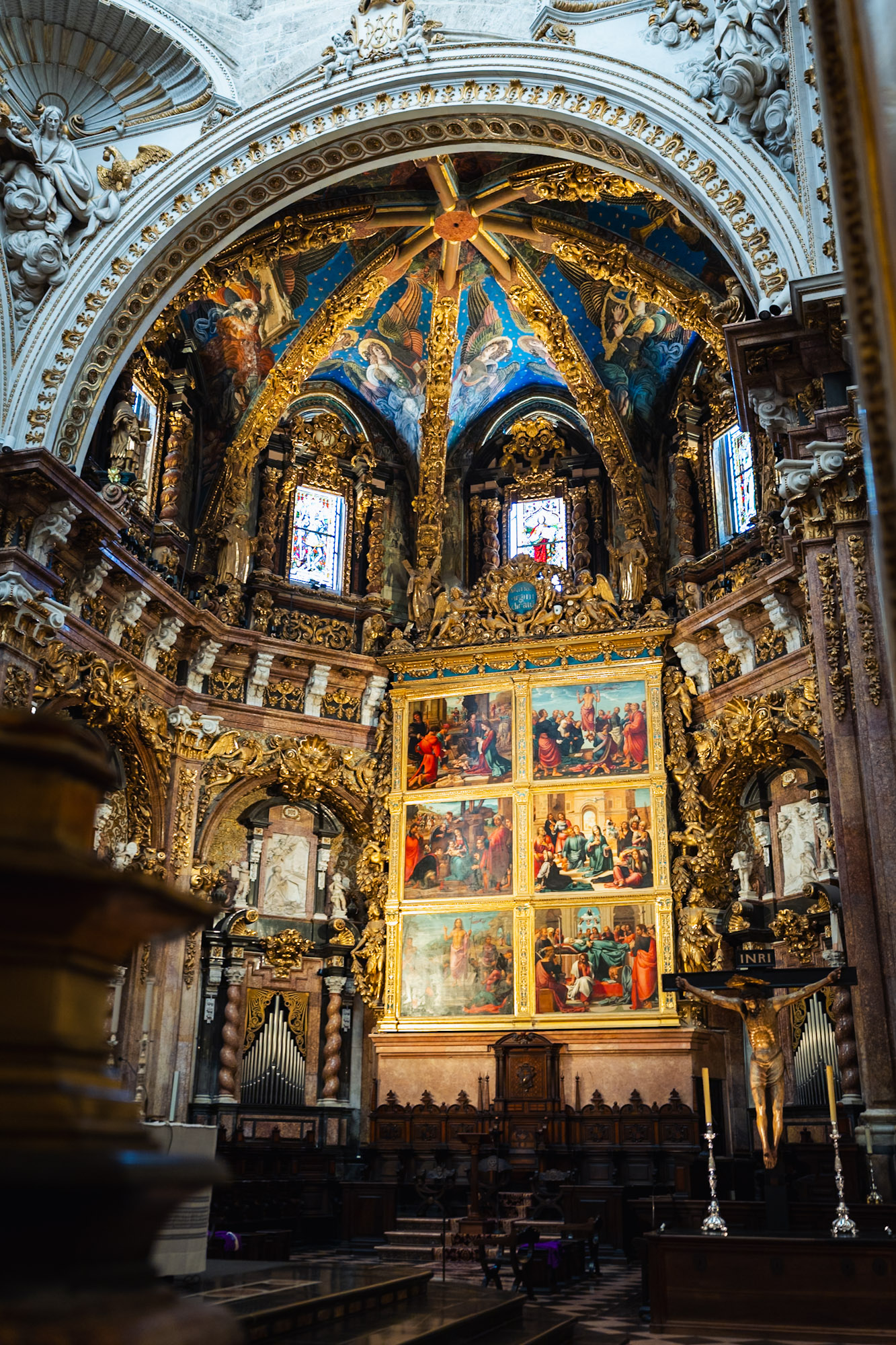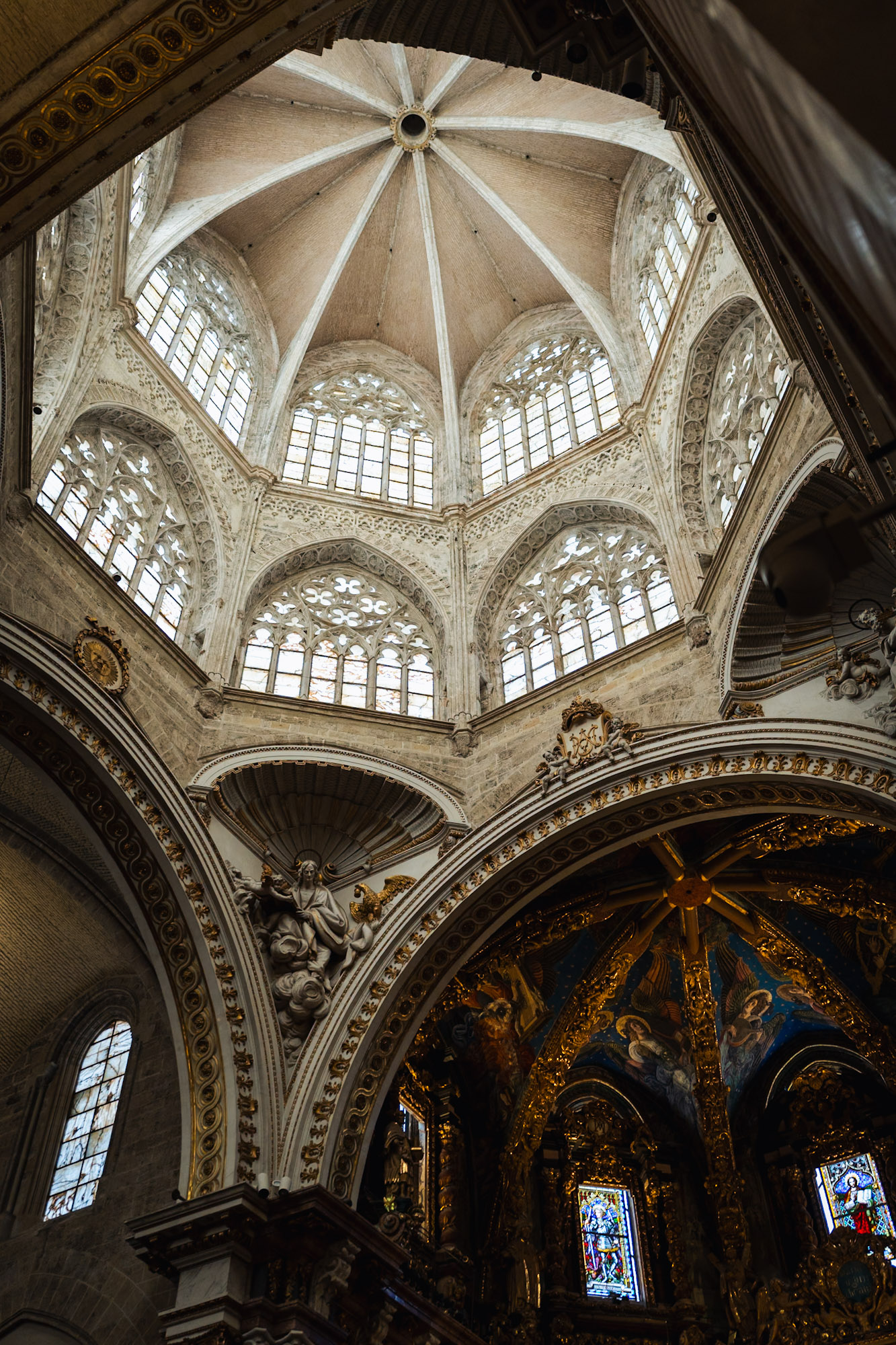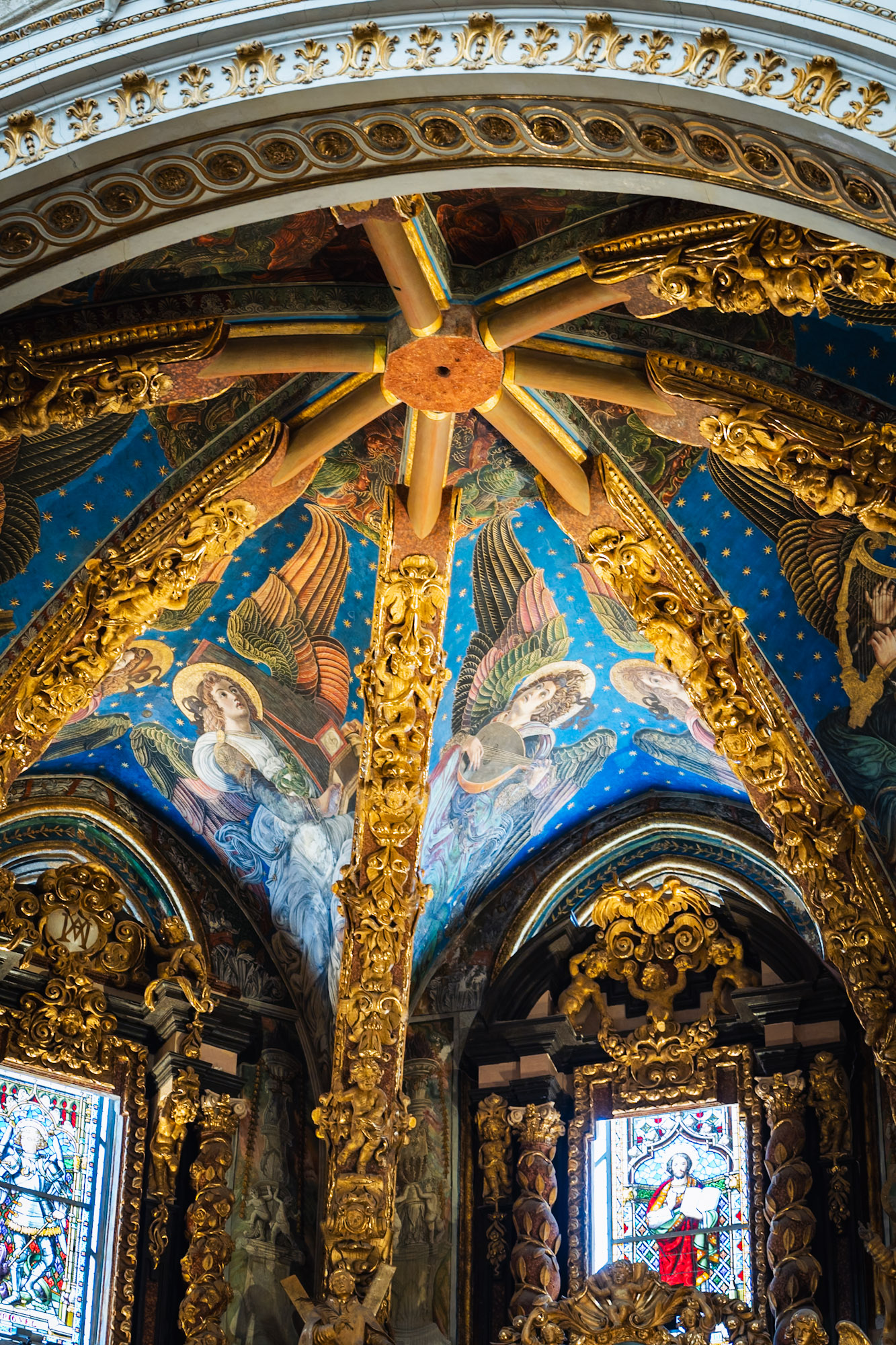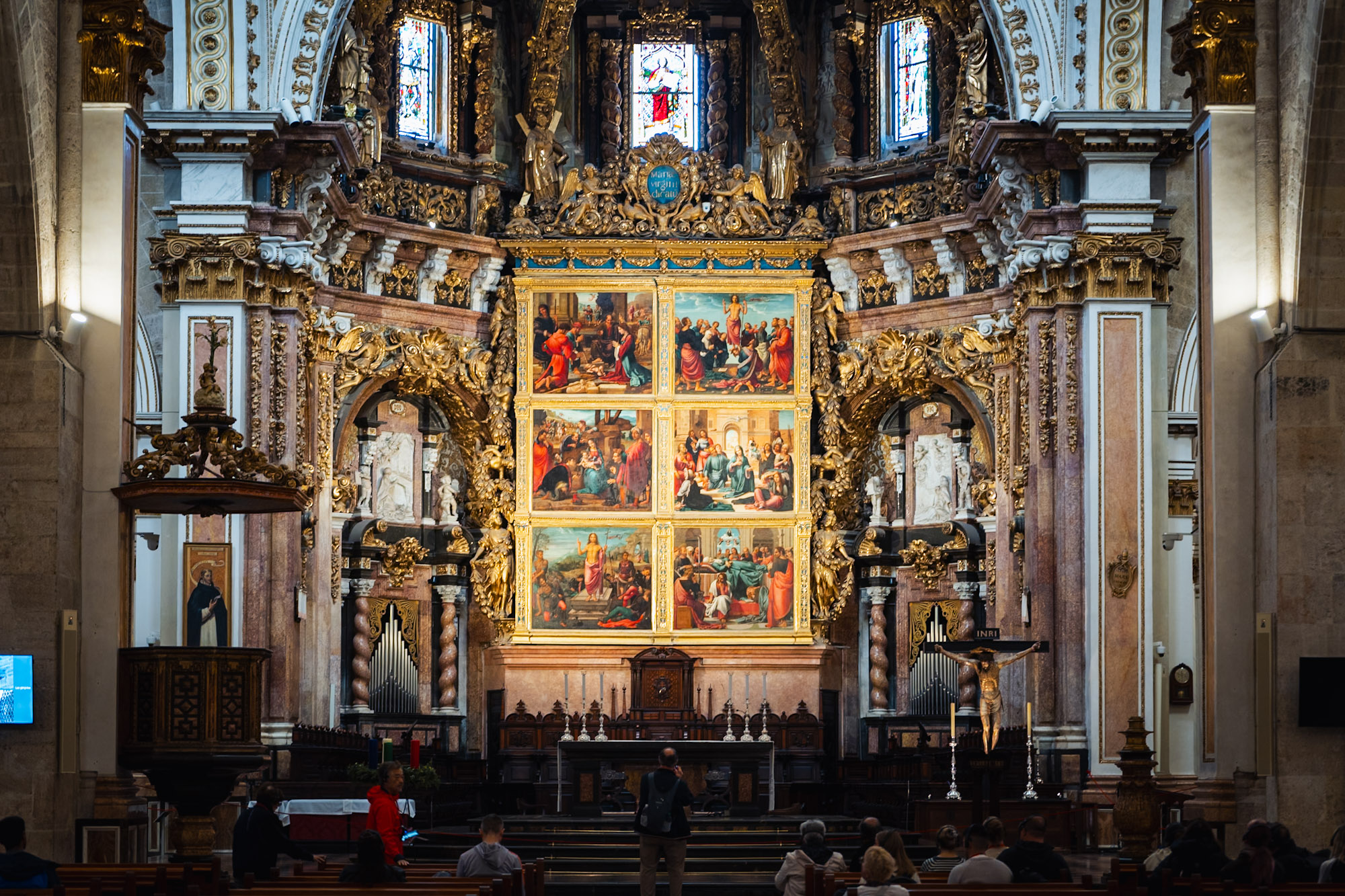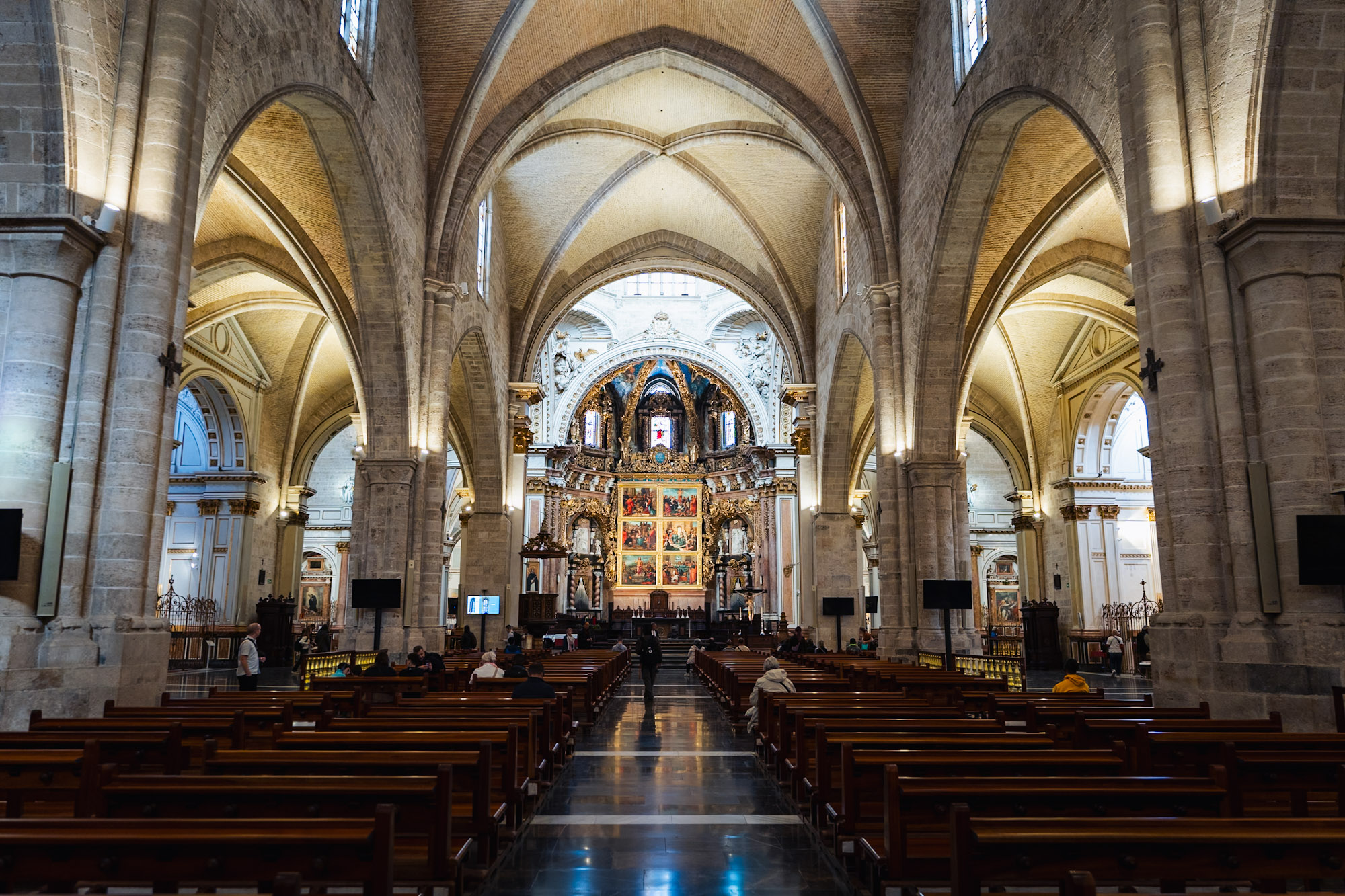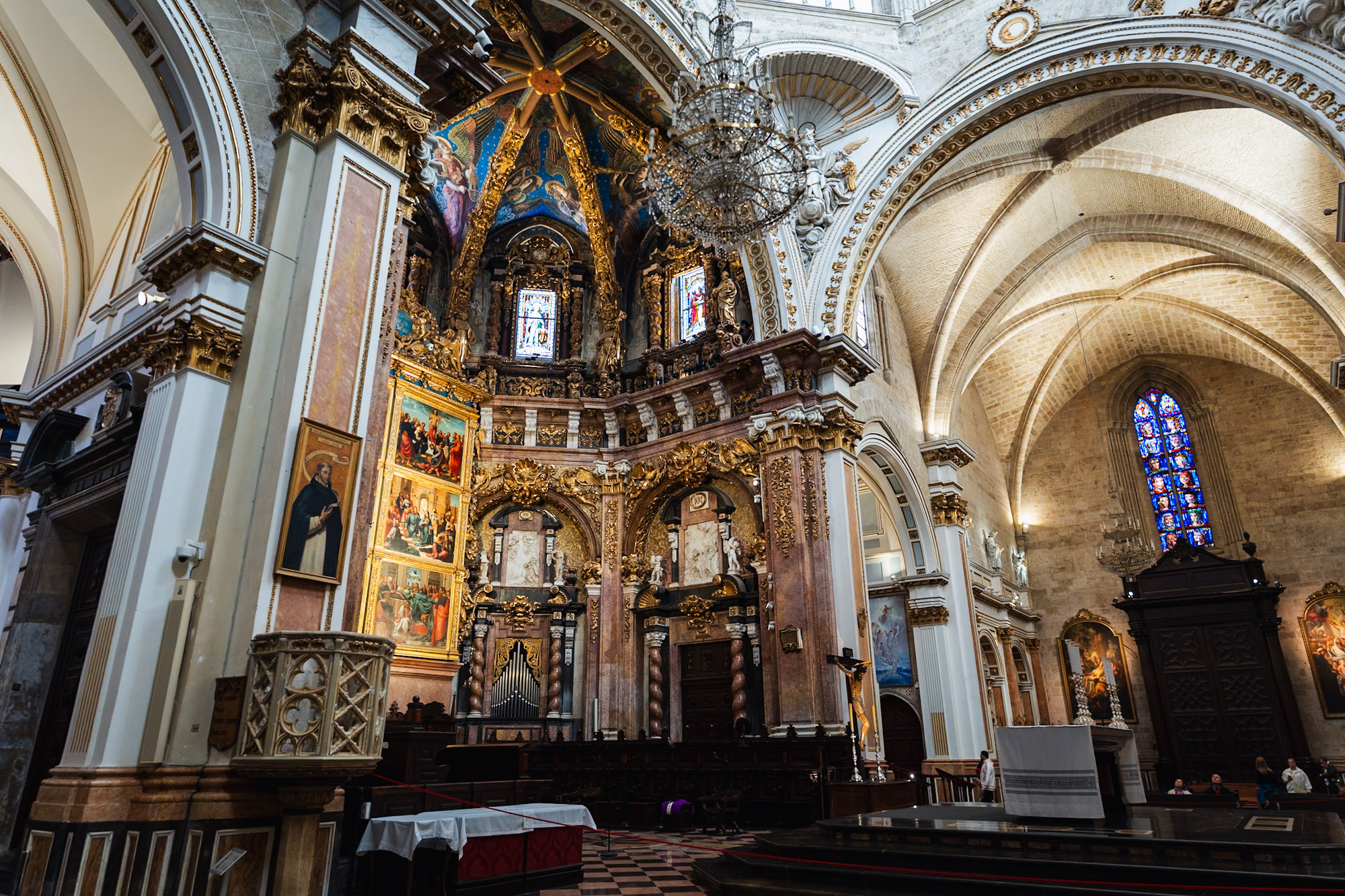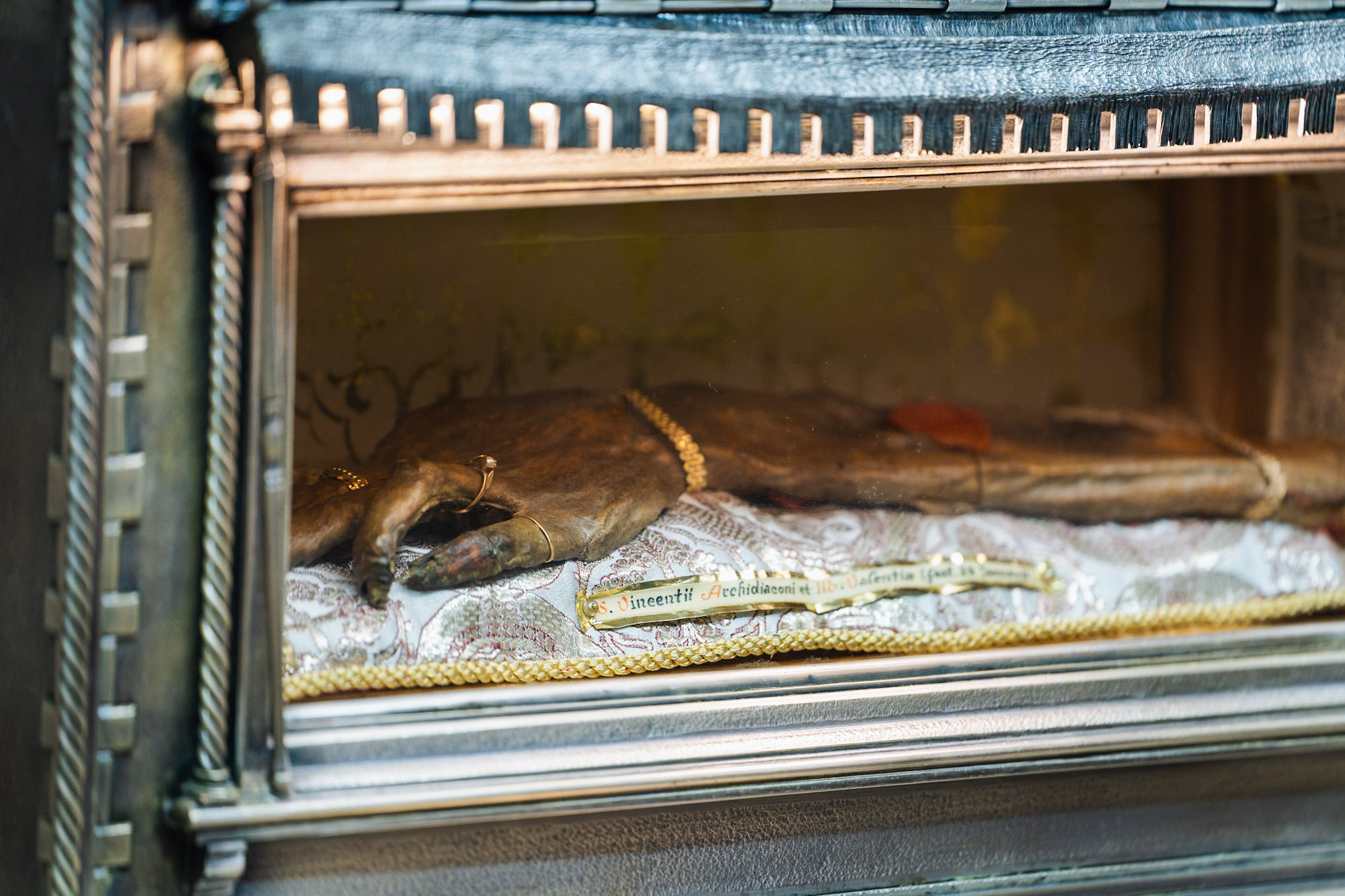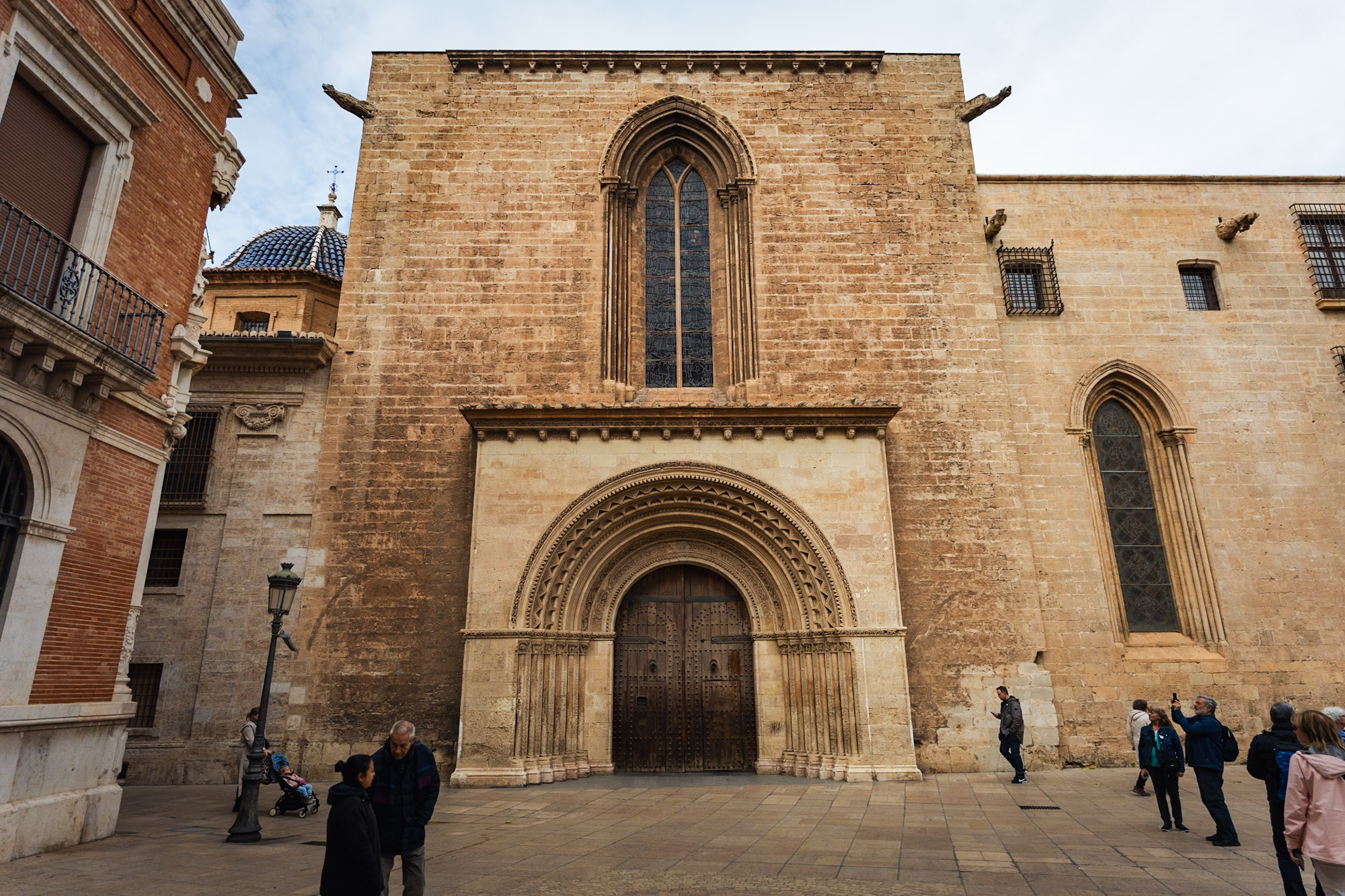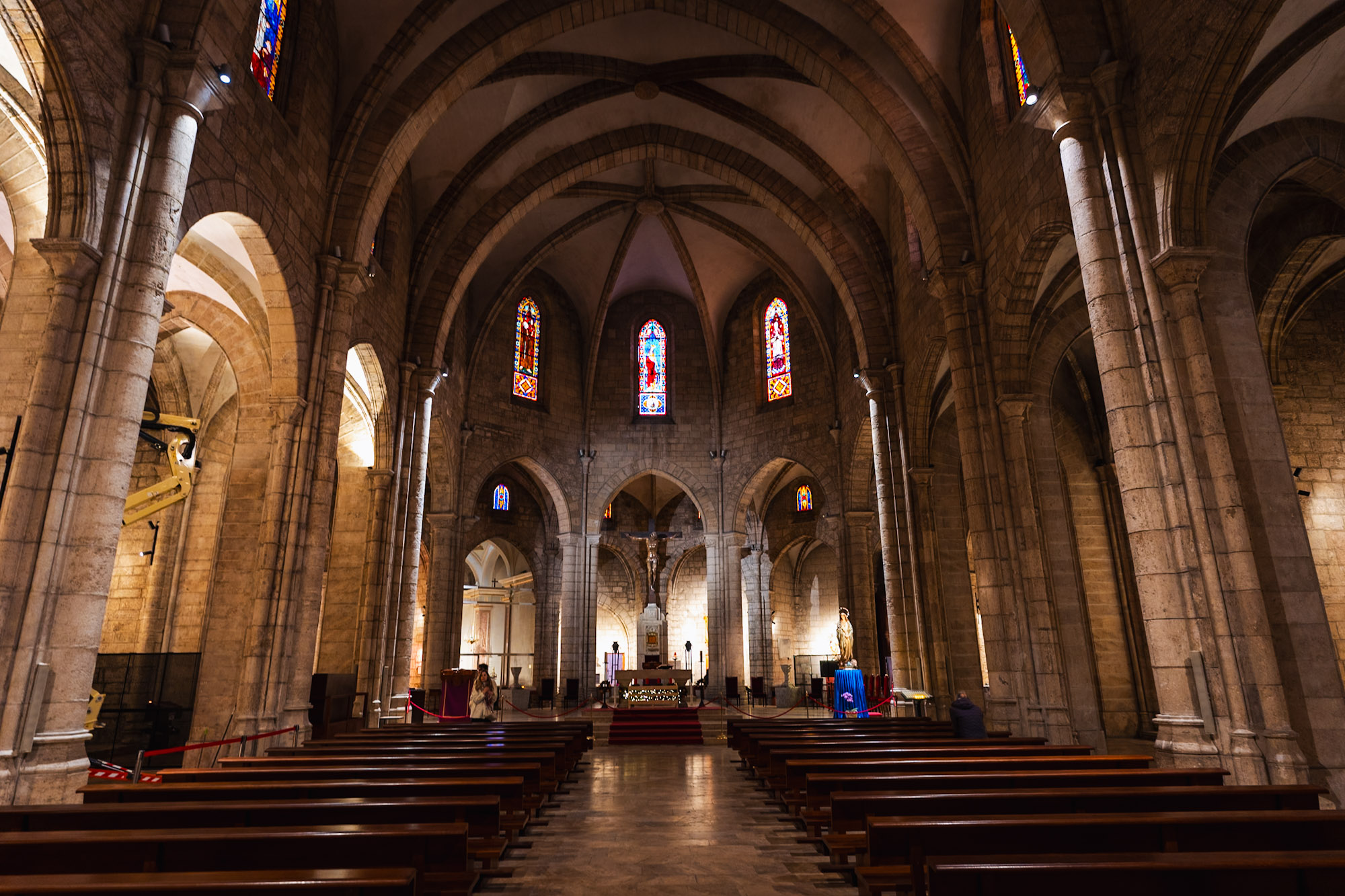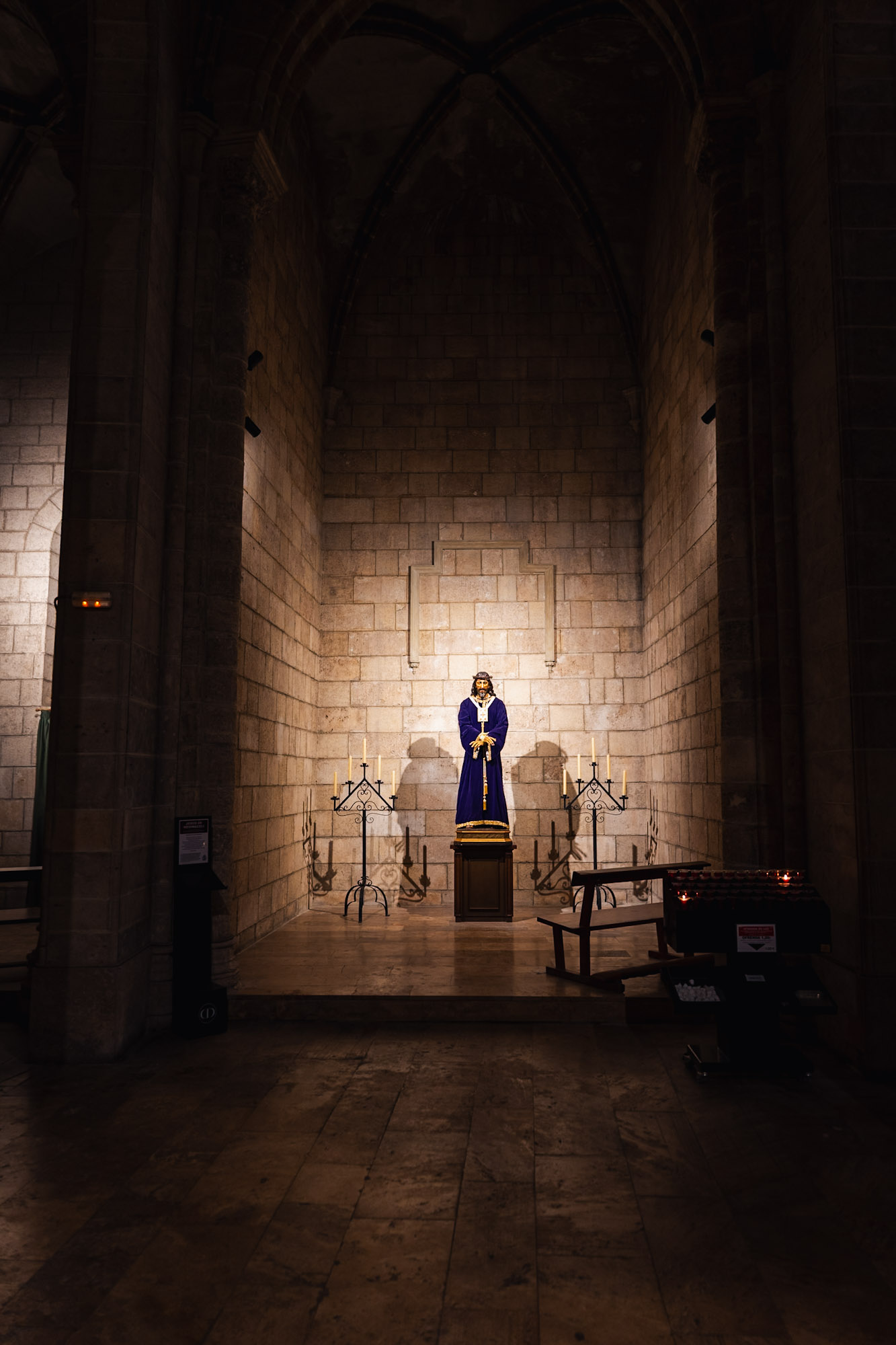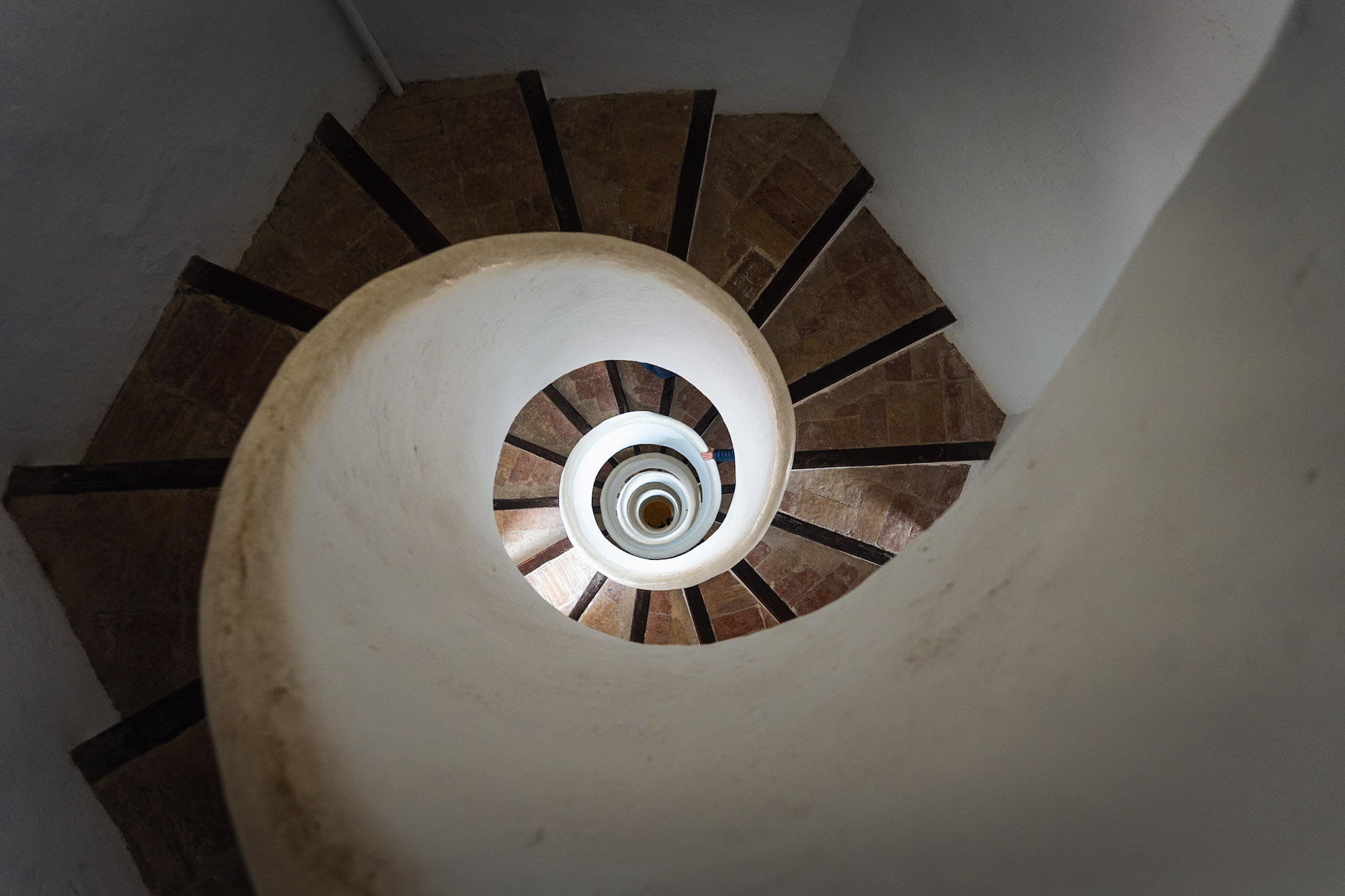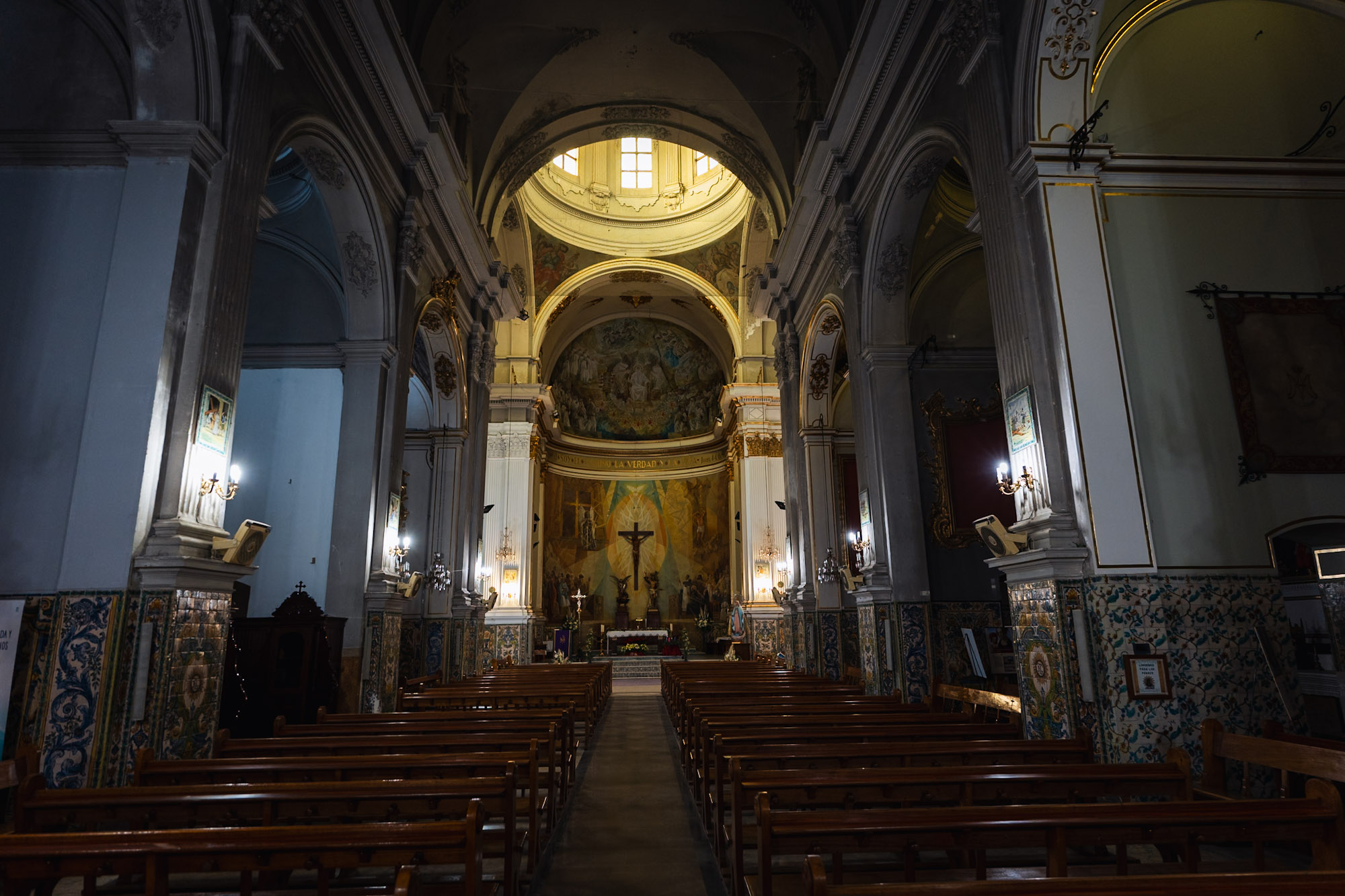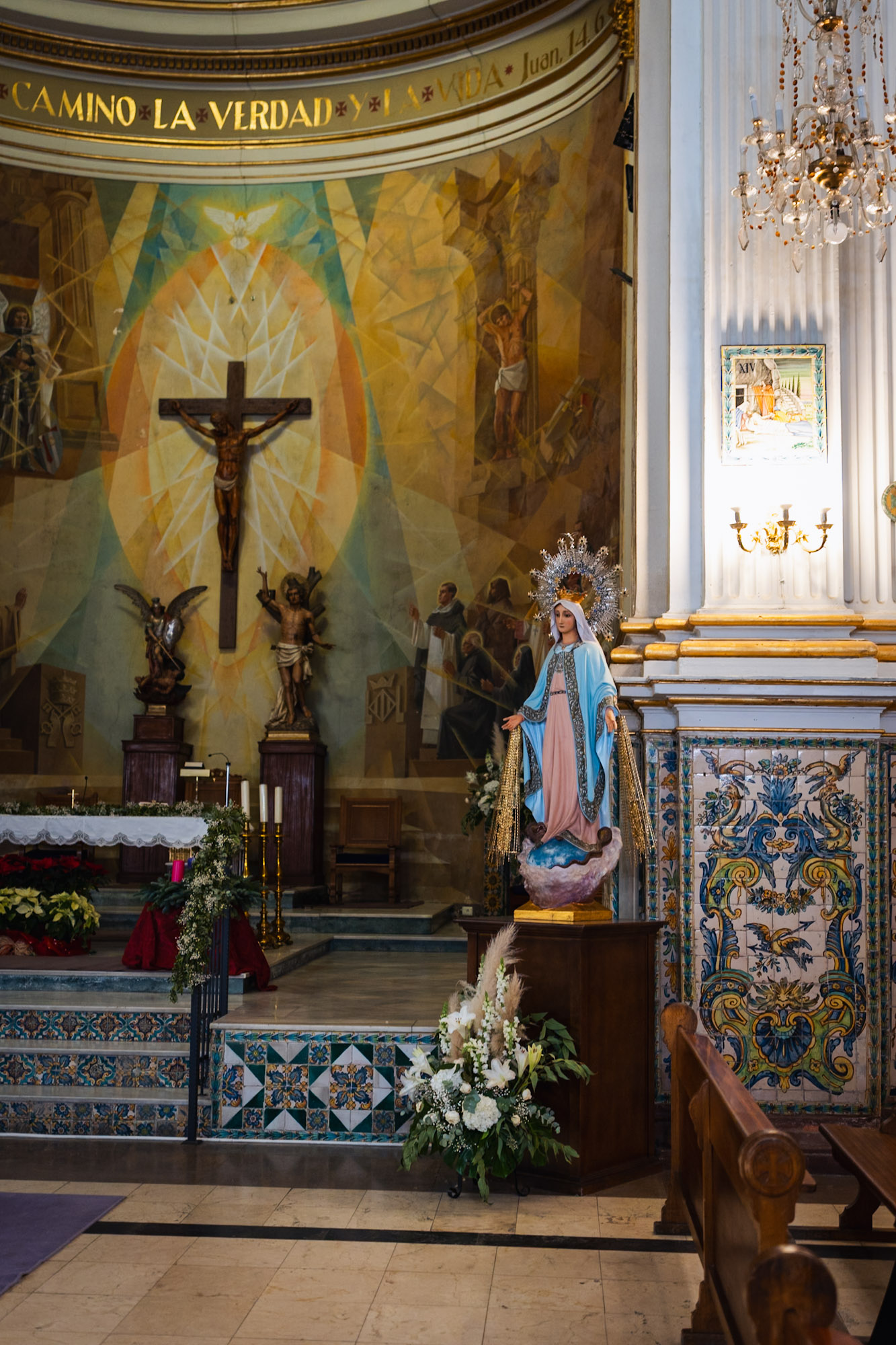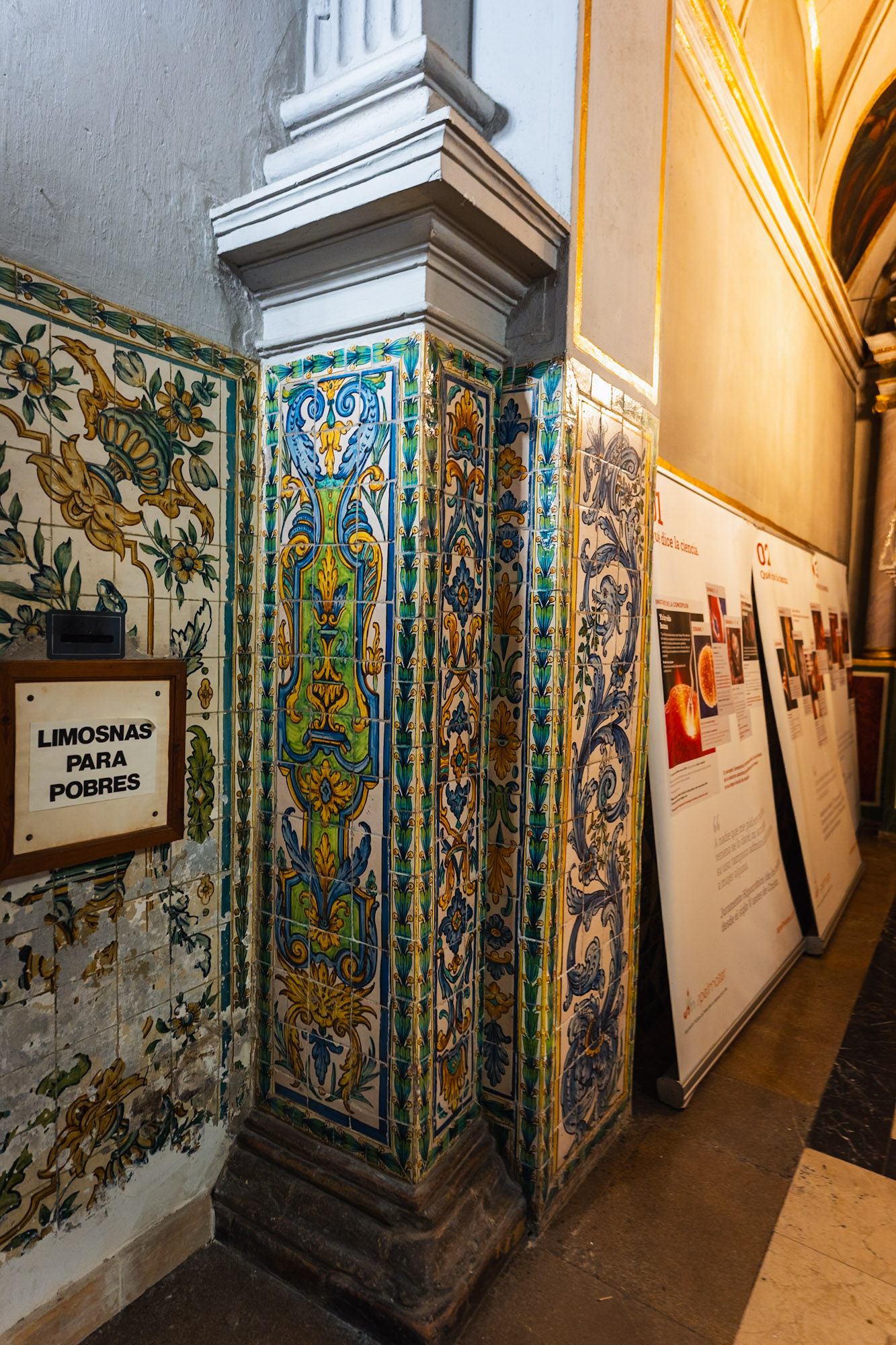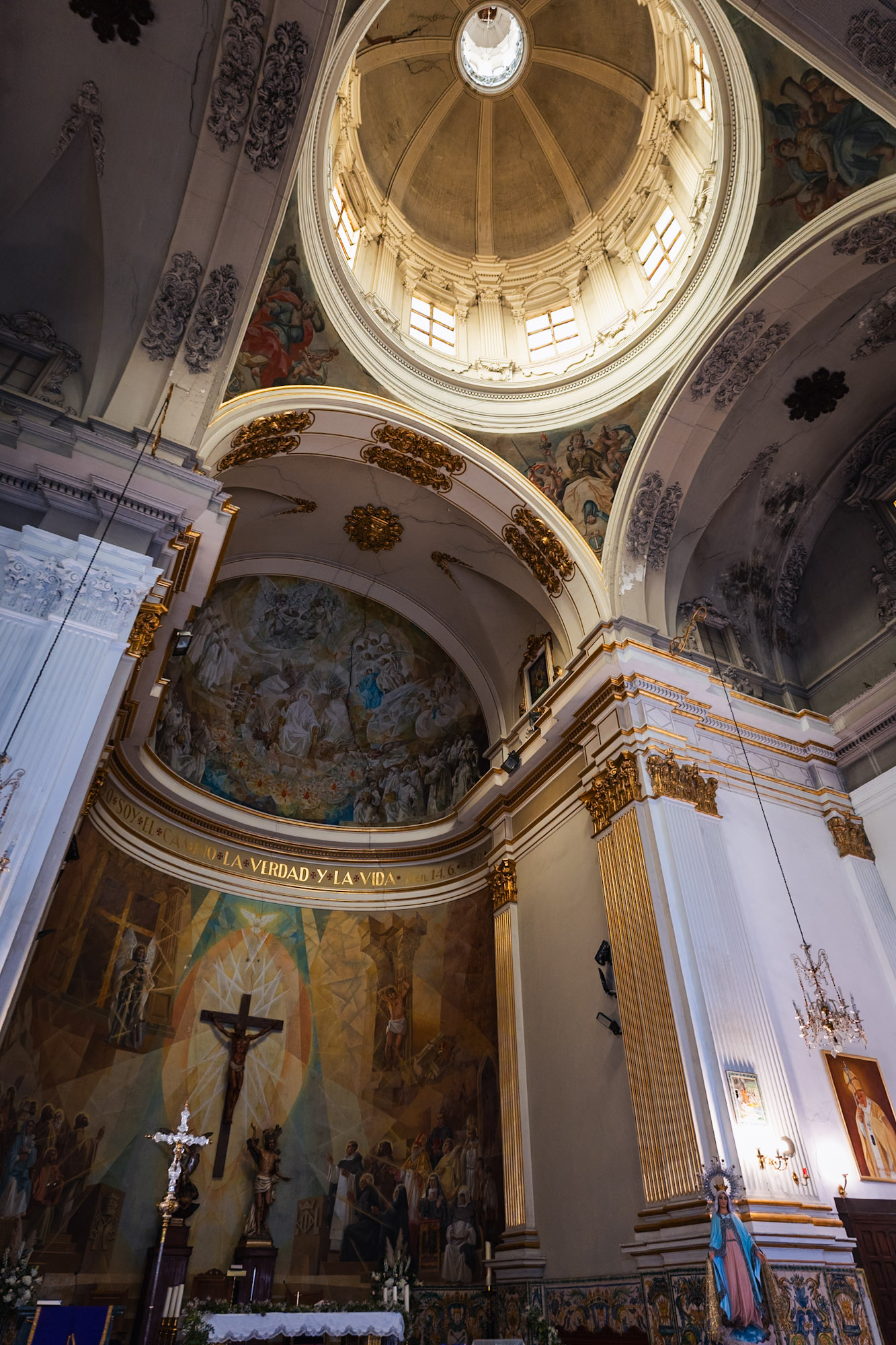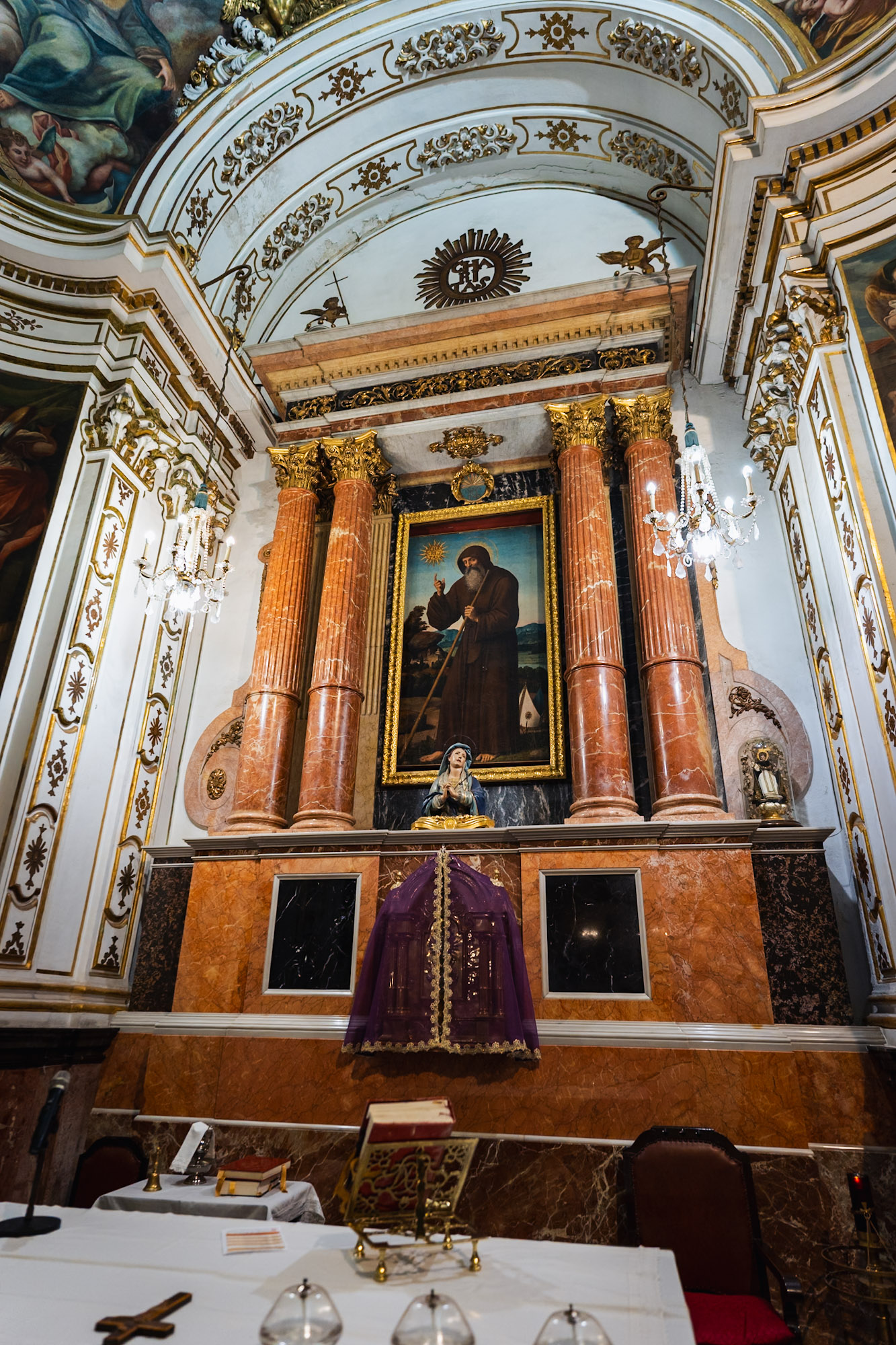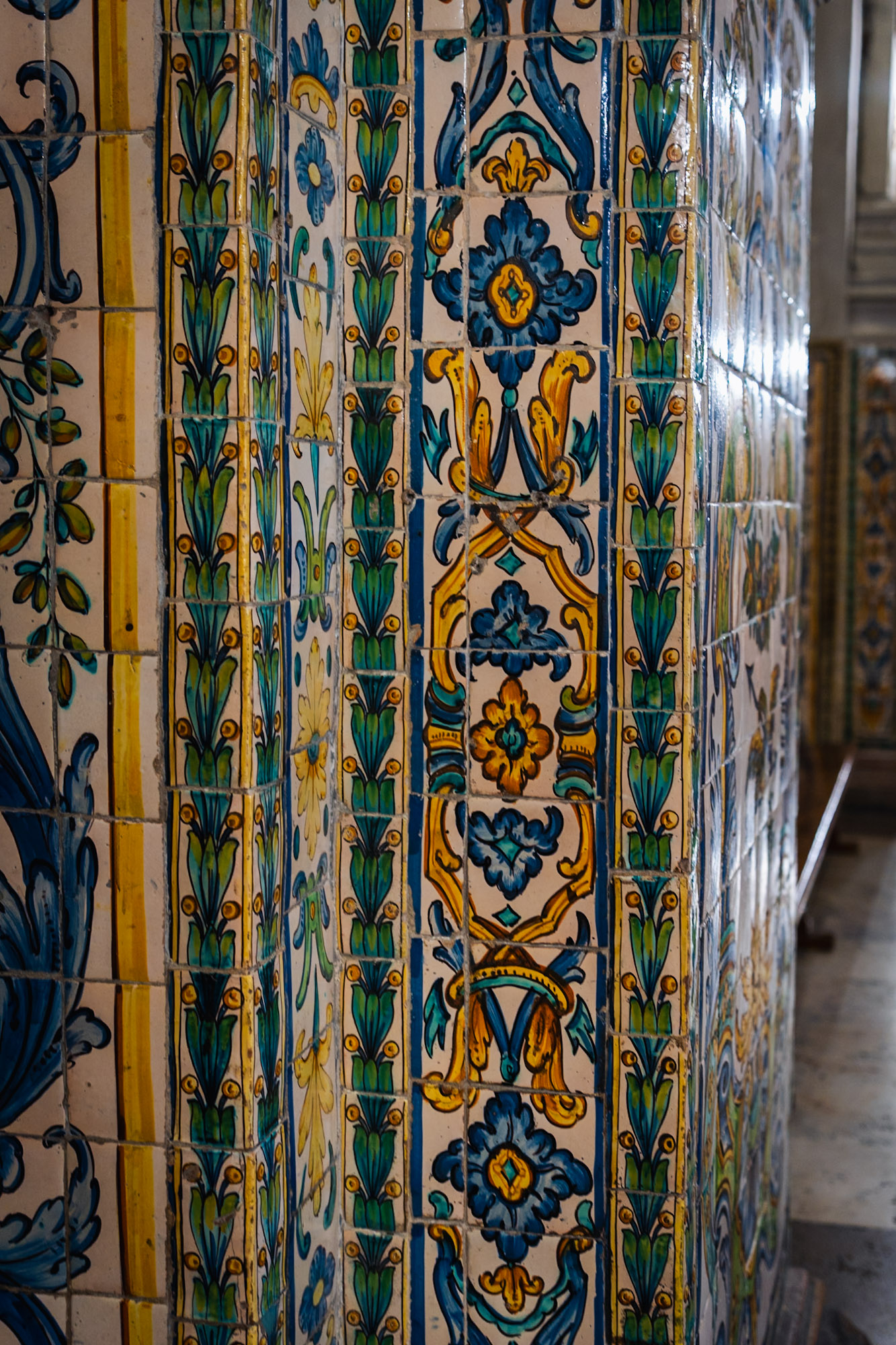
It was an amazing trip, when I had a chance to visit Valencia, city of the Holy Chalice, yes that’s where Holy Grail is located! Cathedral of Valencia has some of the most amazing relics in the entire world. I also learned about Our Lady of Forsaken!
List of the most beautiful Catholic Churches in Valencia
The list has no particular order, photos should help you in deciding which of them you want to visit first. Every church will have a website and location linked to easily find it on Google Maps and find information about times of Holy Masses.
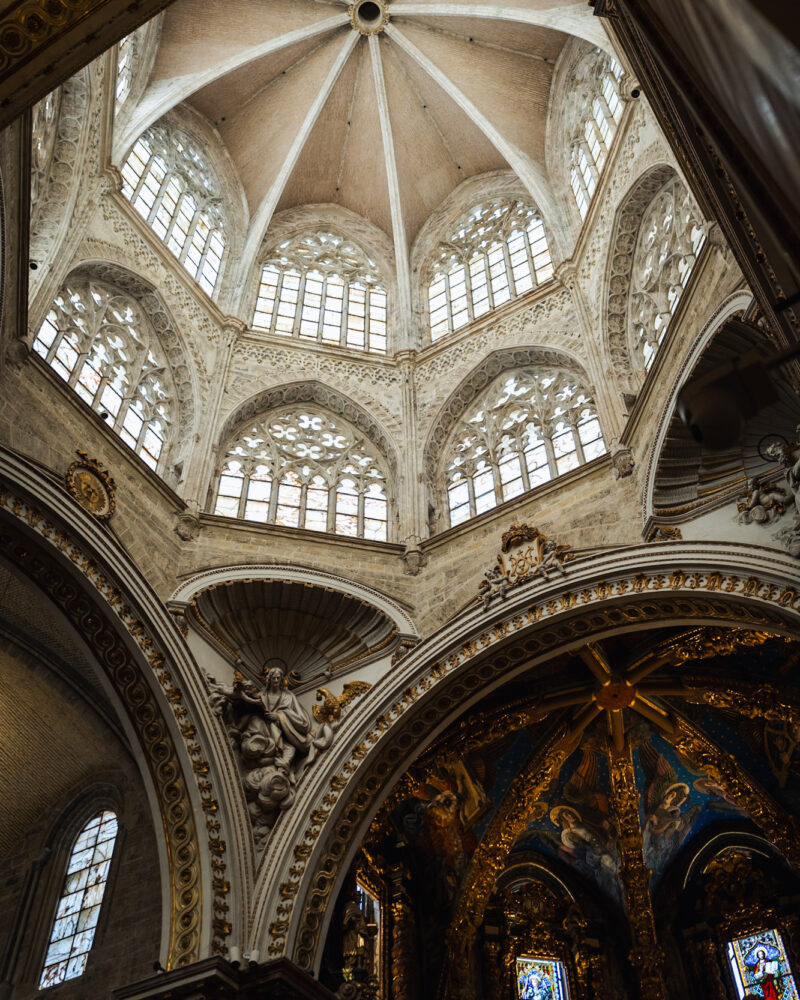
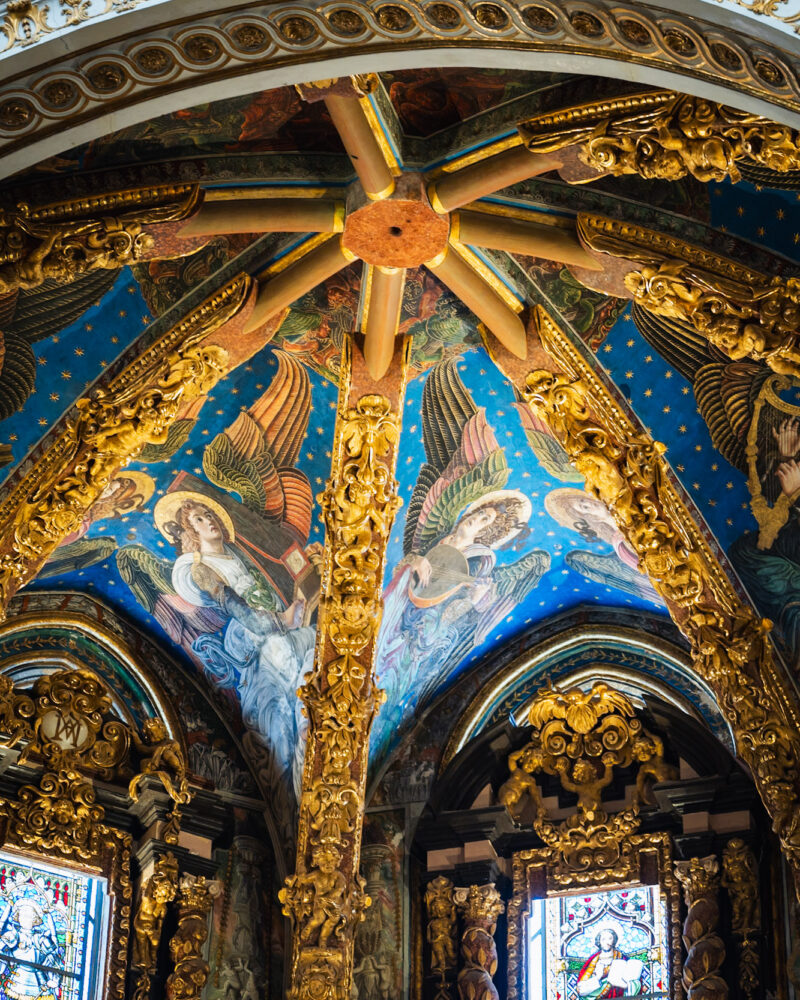
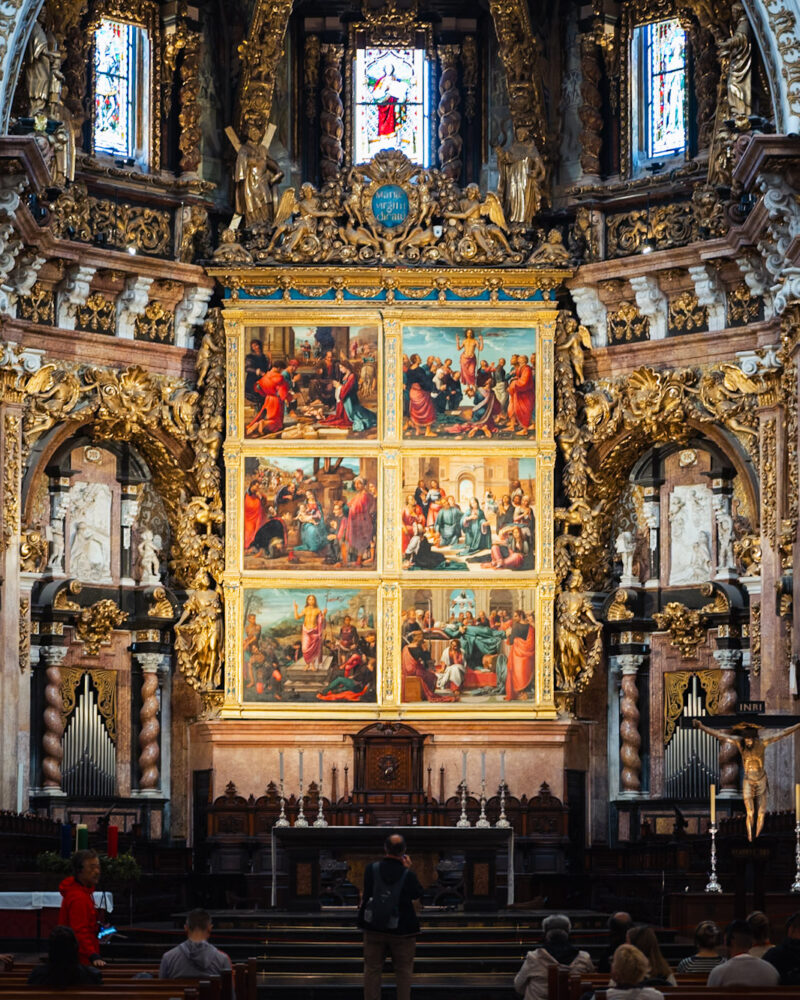
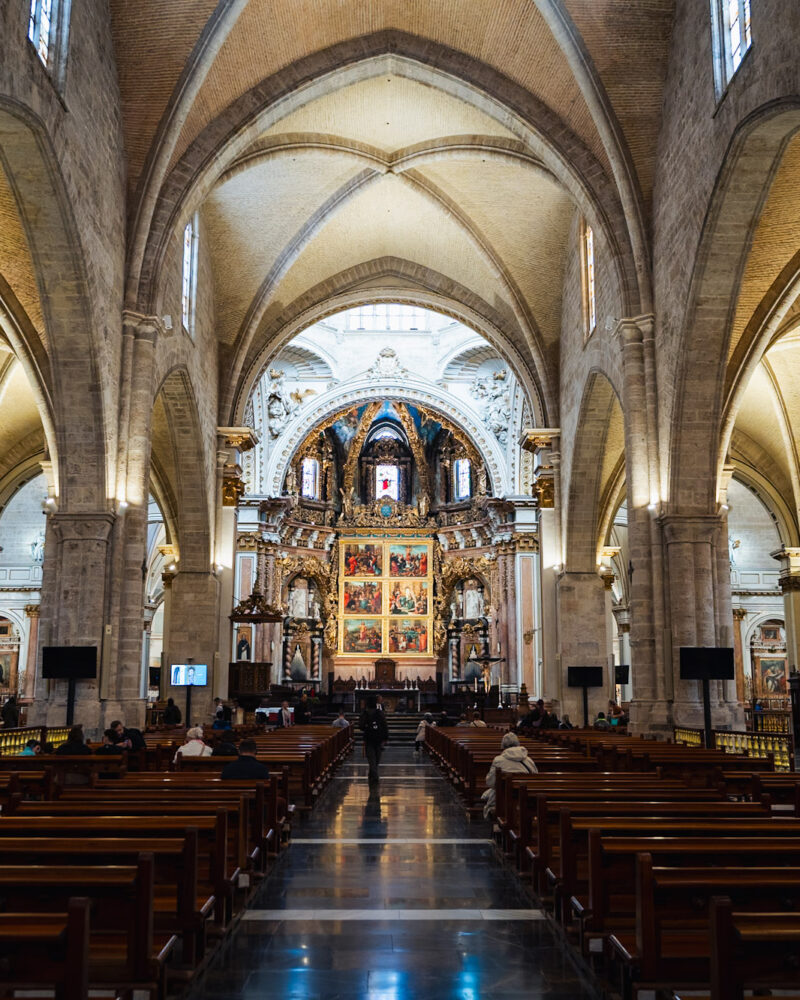
1. Catedral de València
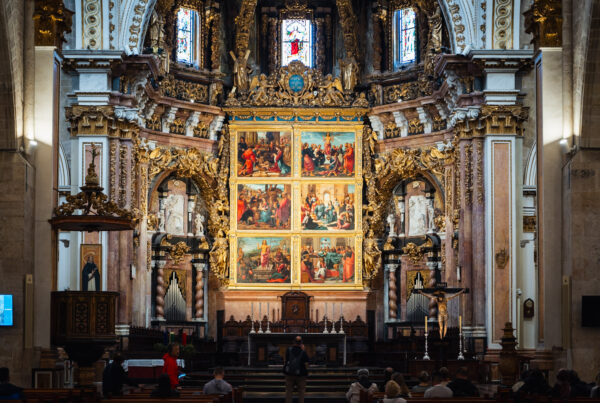
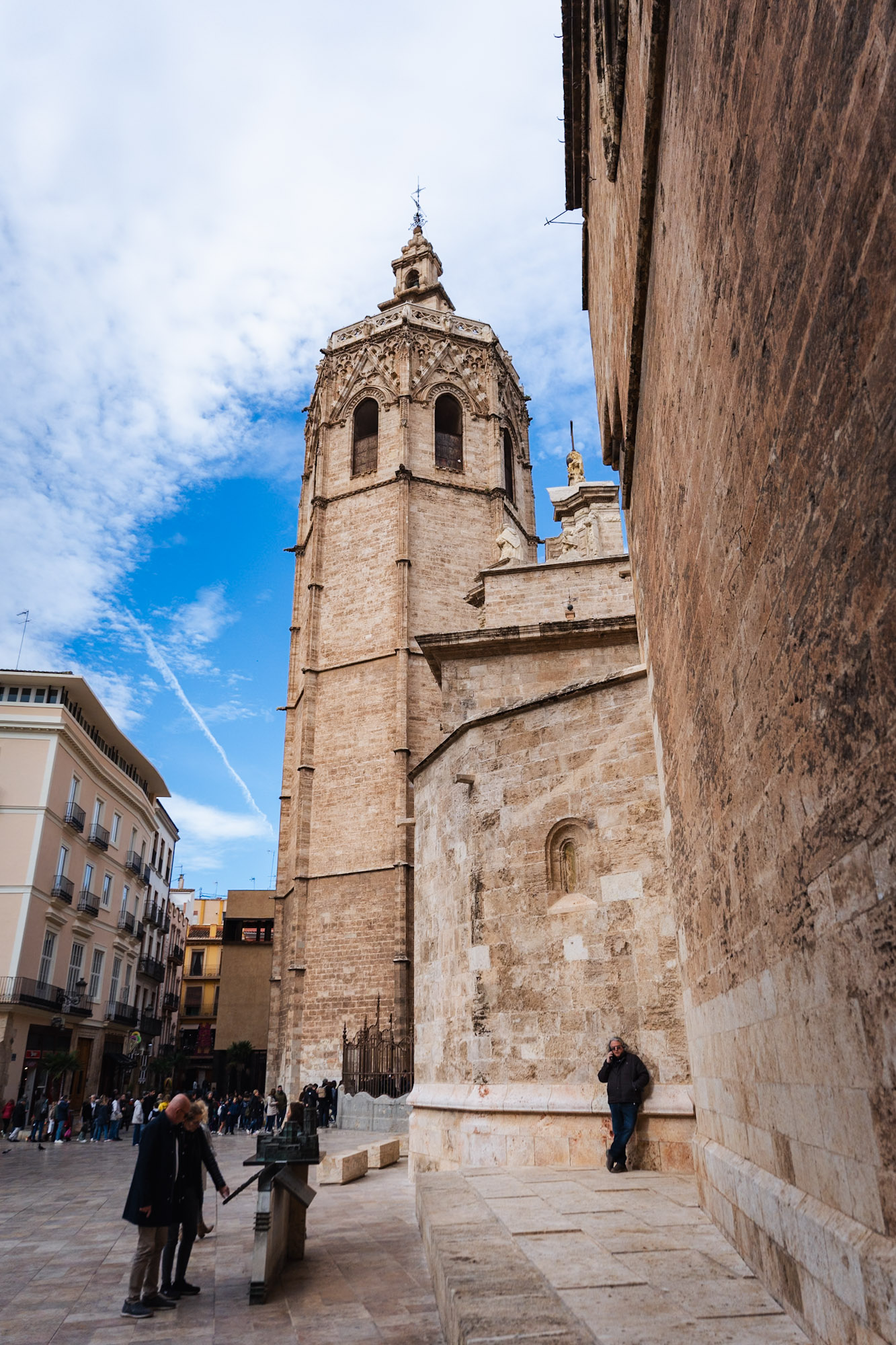
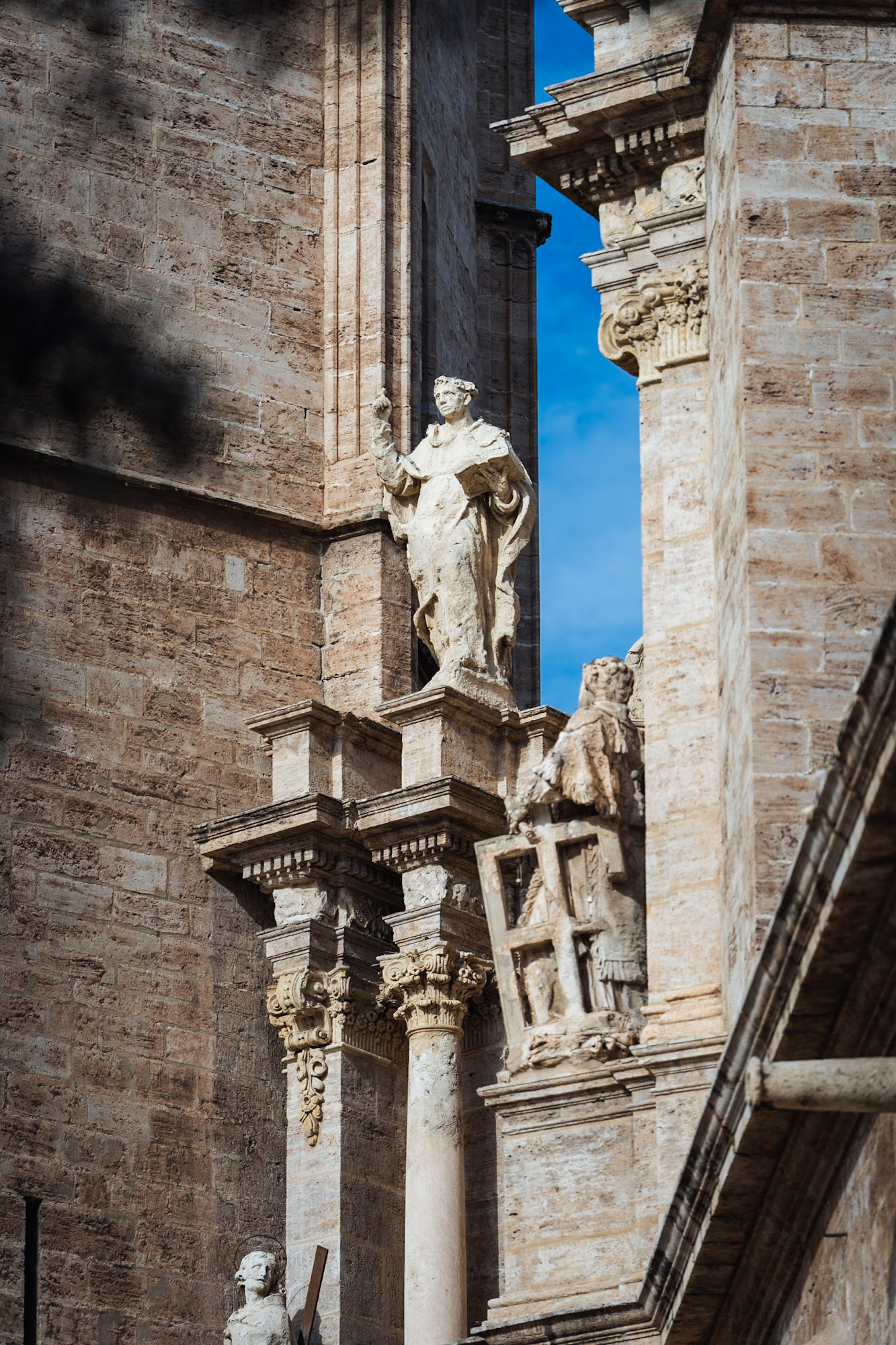
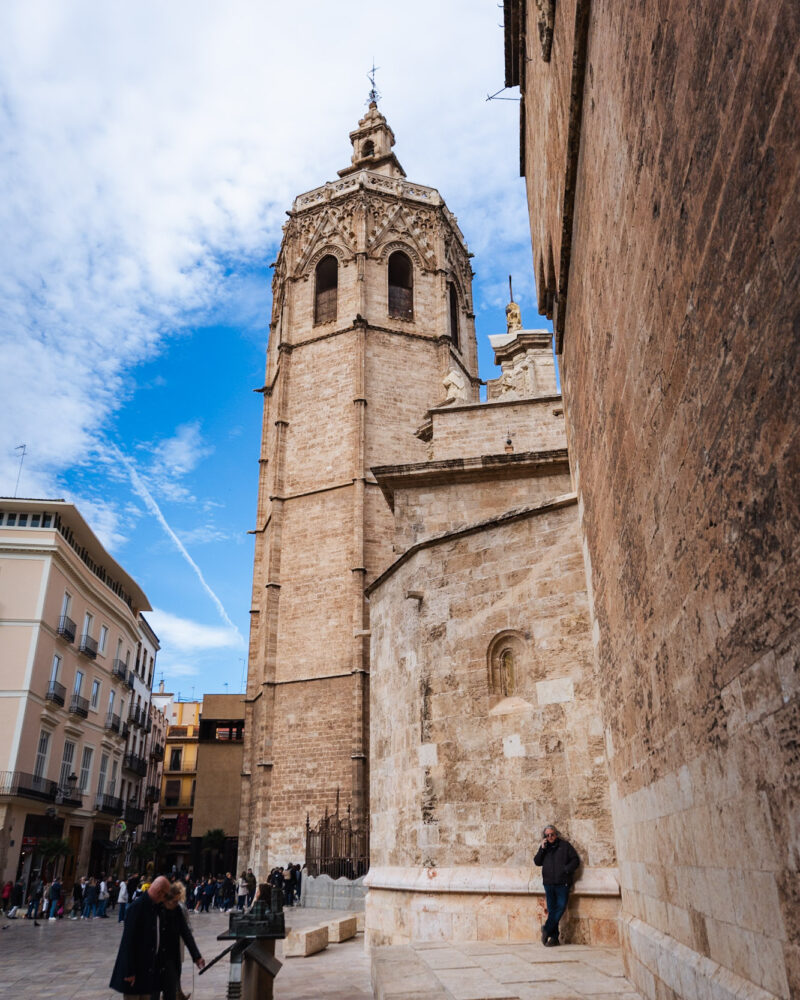
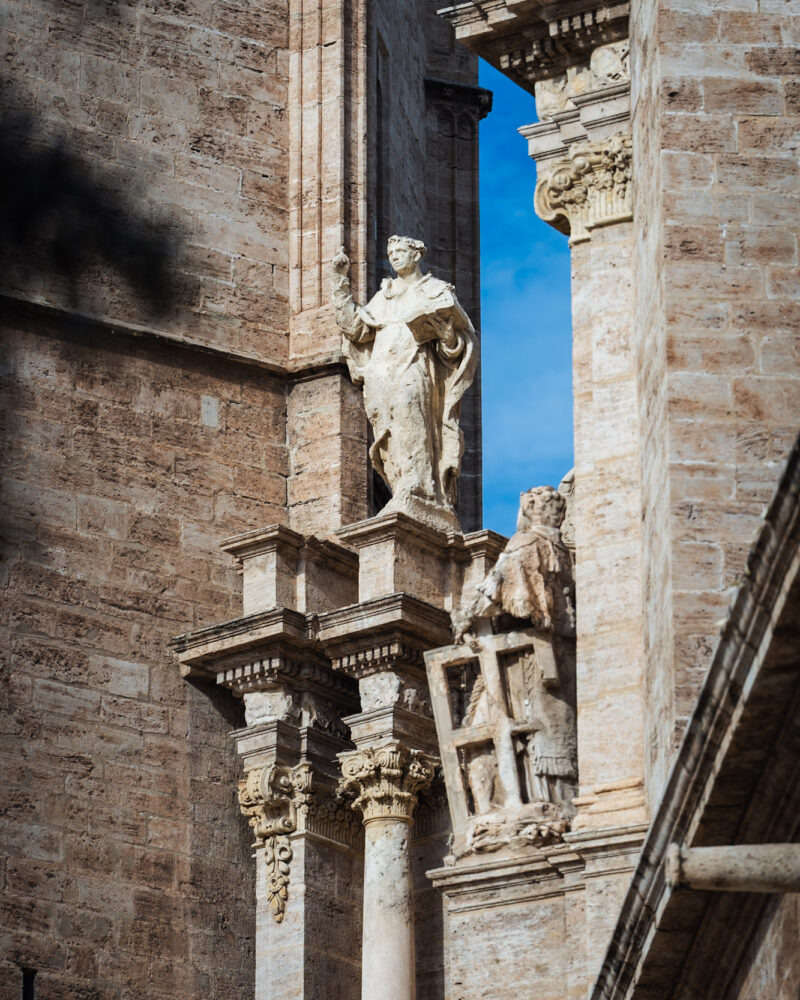
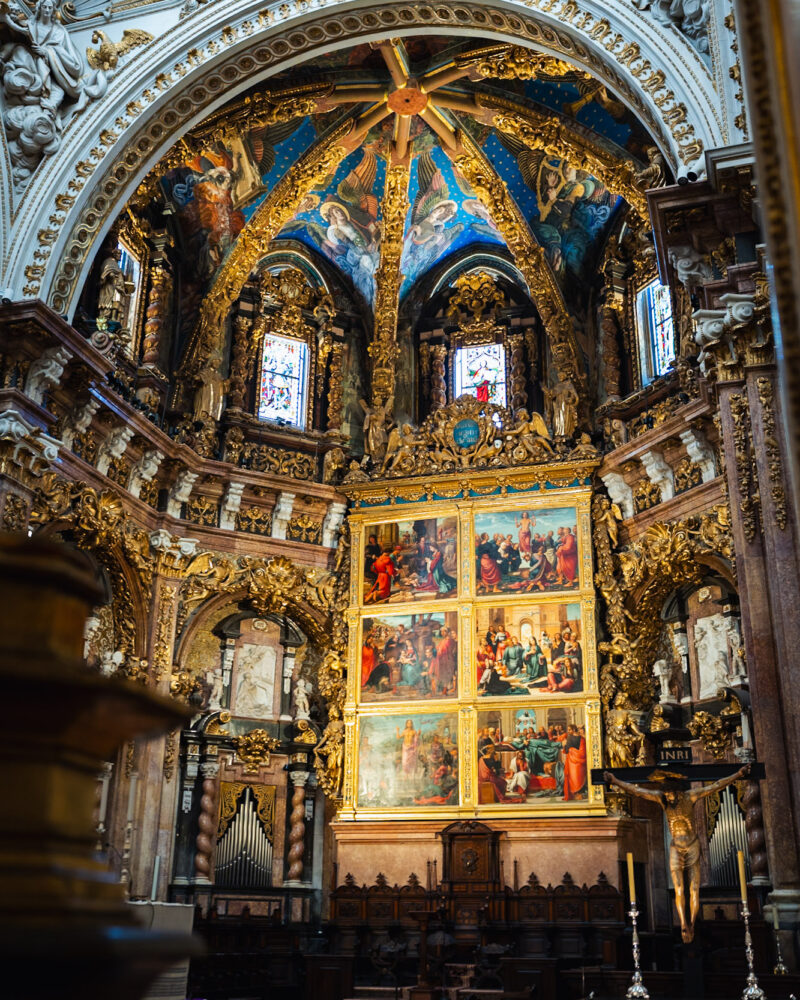
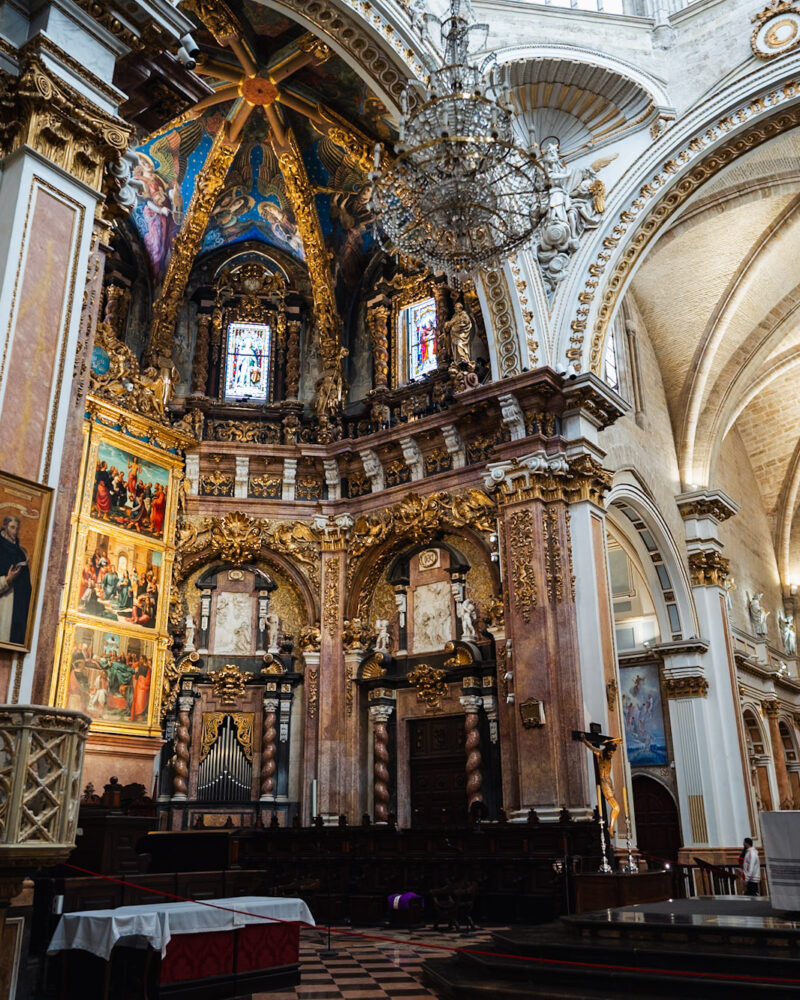
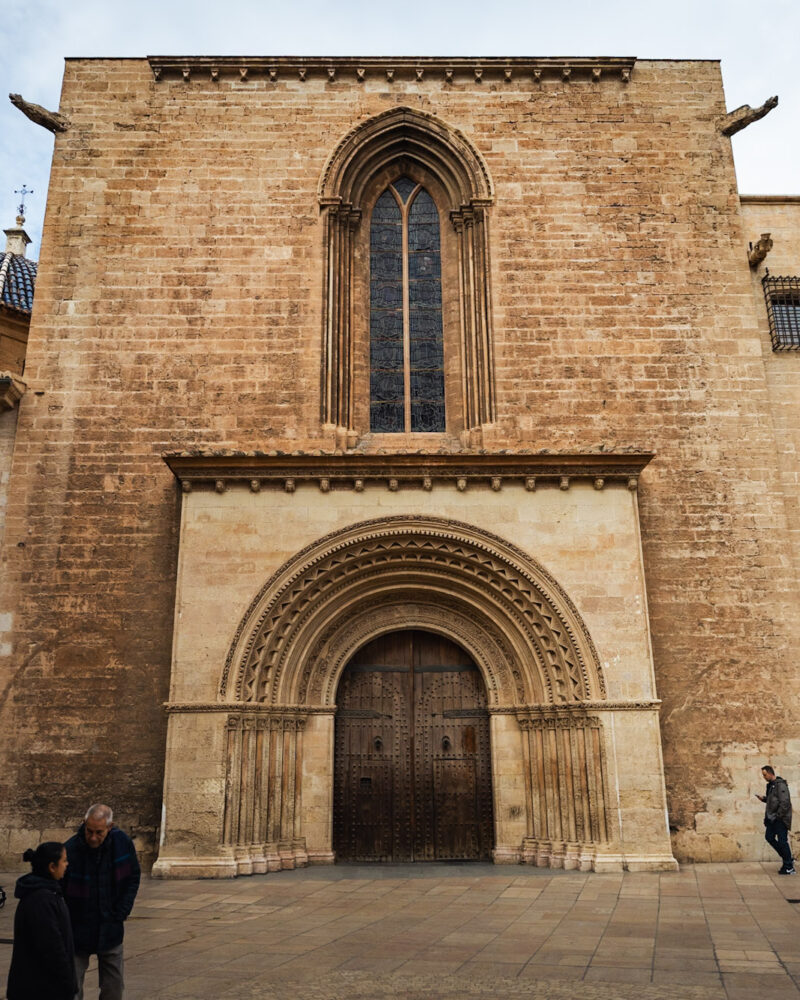
The Cathedral of Valencia, located in the heart of the city’s historic center, is one of Spain’s most spiritually significant and architecturally diverse churches. Built on a site that has served as a place of worship since Roman times — later a Visigothic cathedral and then a mosque — the cathedral was consecrated as a Christian church after the Reconquista in 1238 under King James I of Aragon.
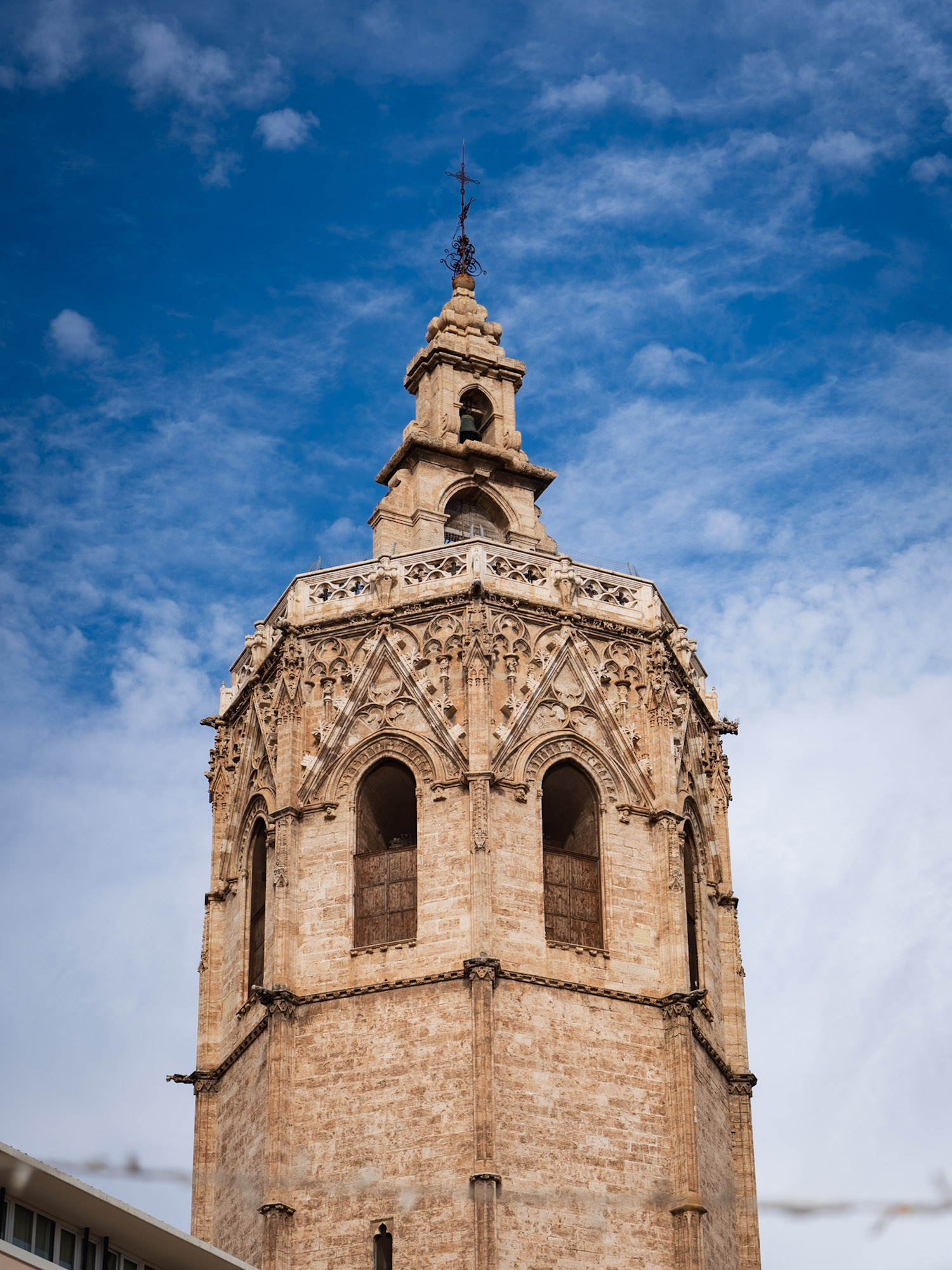
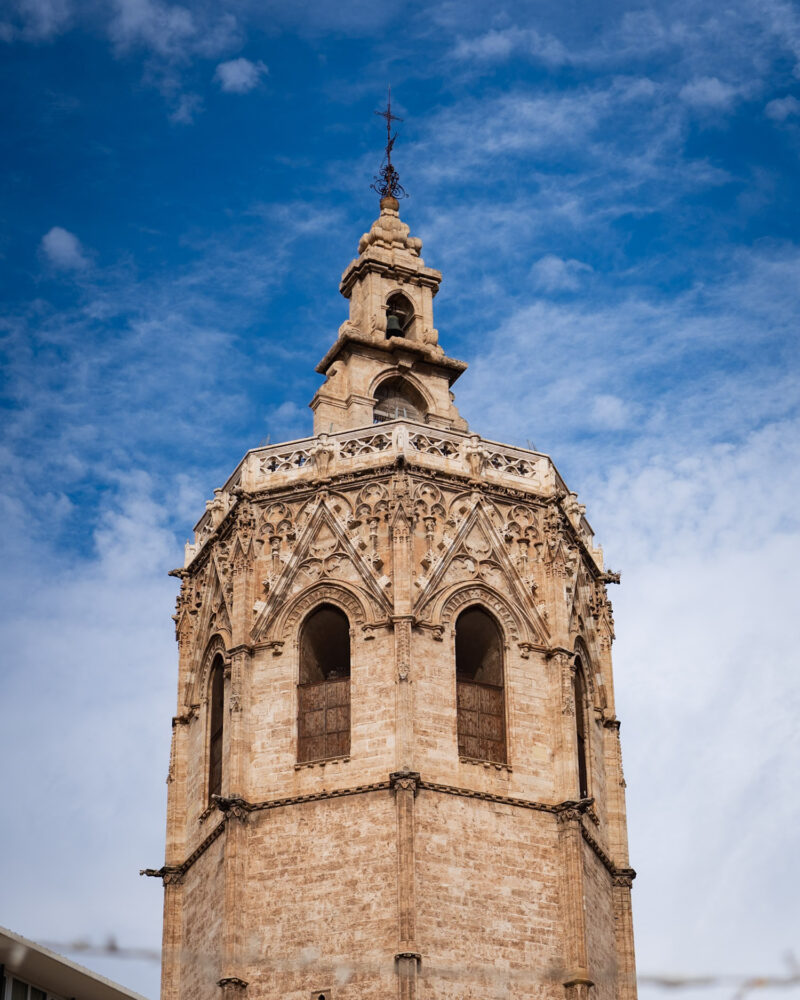
Constructed over several centuries, the cathedral is a remarkable blend of Romanesque, Gothic, Renaissance, Baroque, and Neoclassical styles. Its iconic bell tower, El Miguelete, dominates the skyline and offers panoramic views of the city.
Sacred Relics
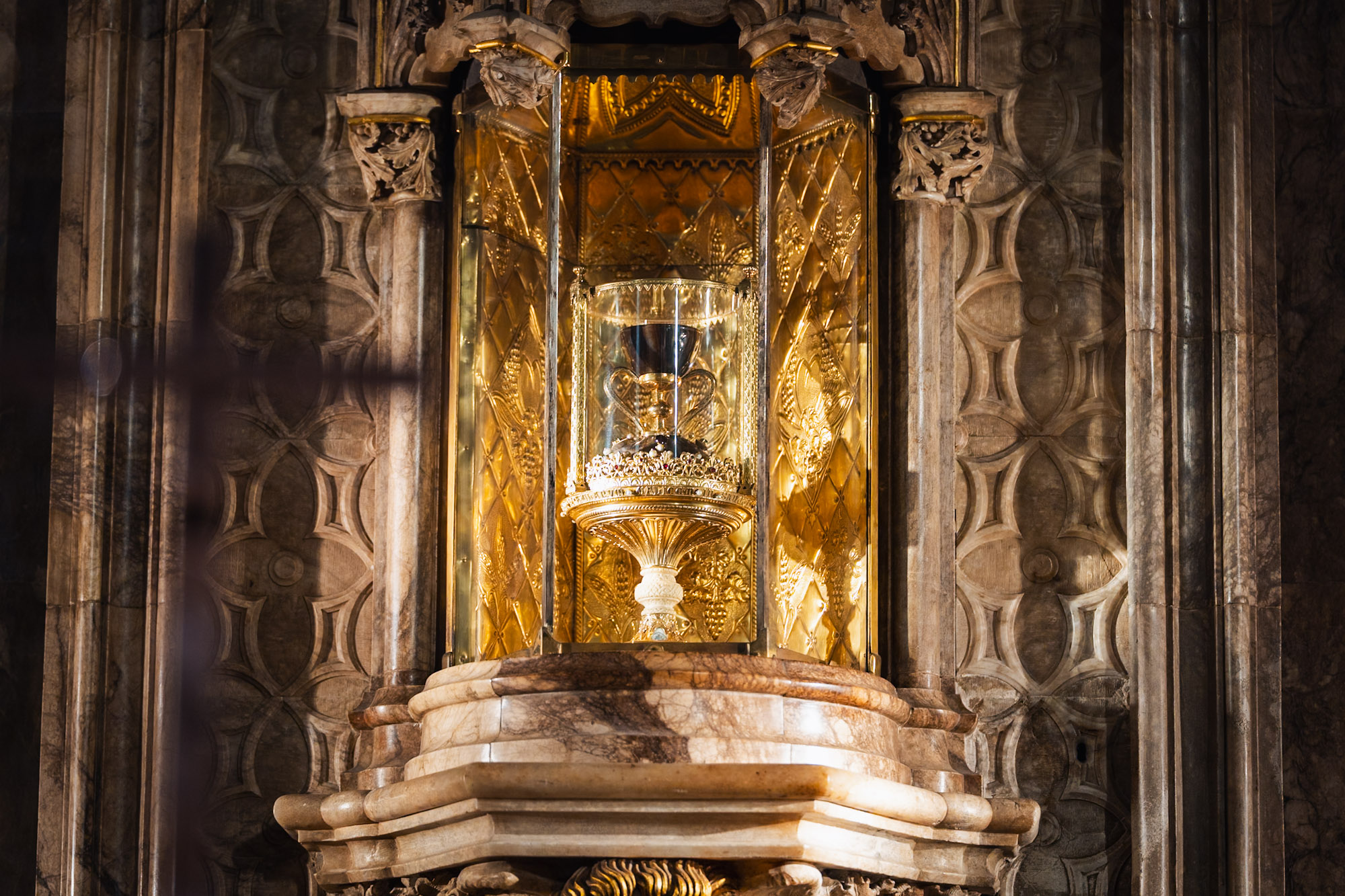
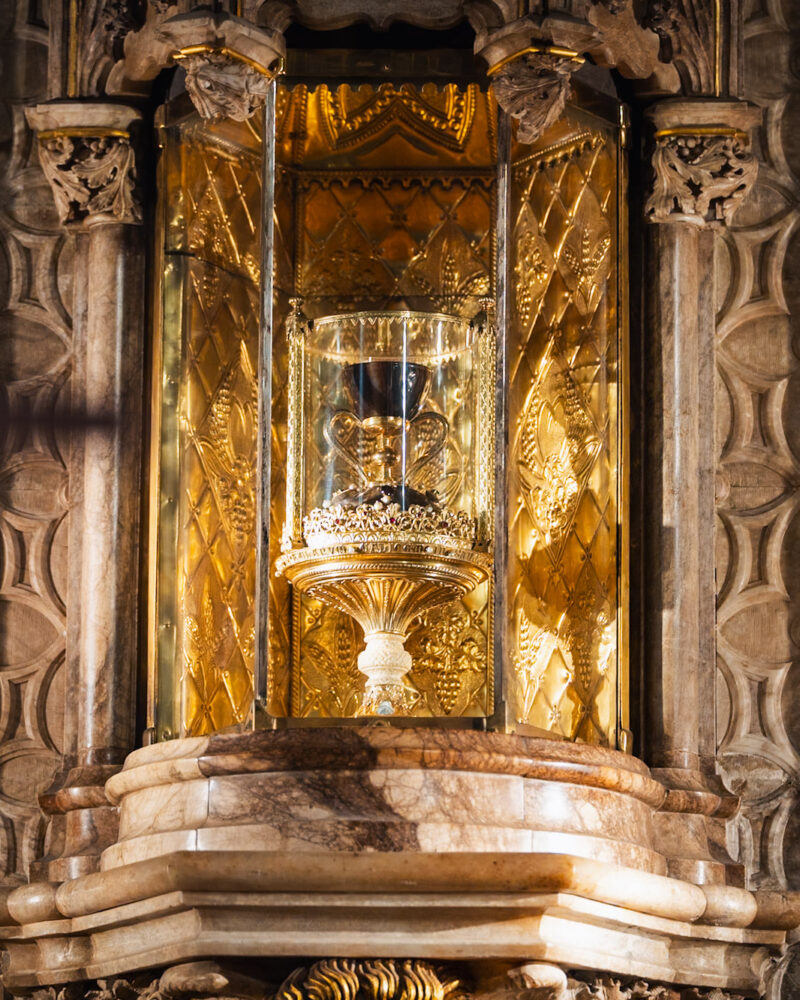
Valencia Cathedral is especially renowned for the relics it safeguards. Most notable is the Holy Grail, traditionally believed to be the cup used by Jesus Christ at the Last Supper. Preserved in the Chapel of the Holy Grail since 1437, this ancient agate chalice has been venerated for centuries and was used during Mass by St. John Paul II (1982) and Pope Benedict XVI (2006).
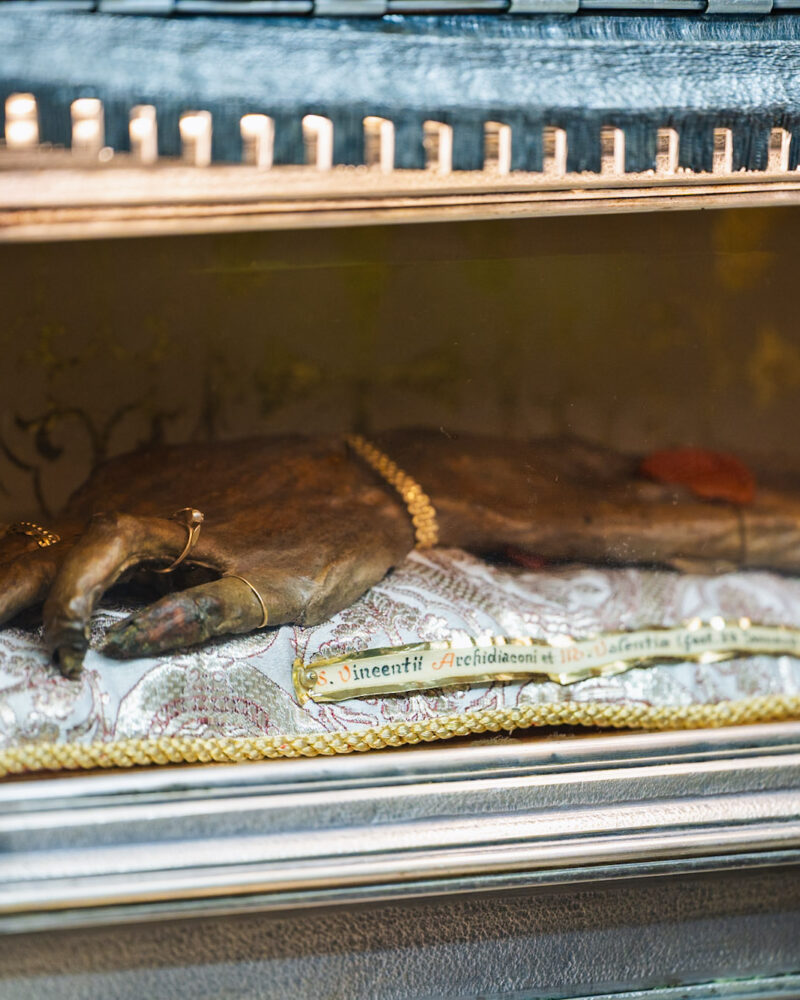
The cathedral also houses important relics of saints, including those associated with early Spanish Christianity, reinforcing its role as a major pilgrimage destination.
The Largest Processional Monstrance in the World
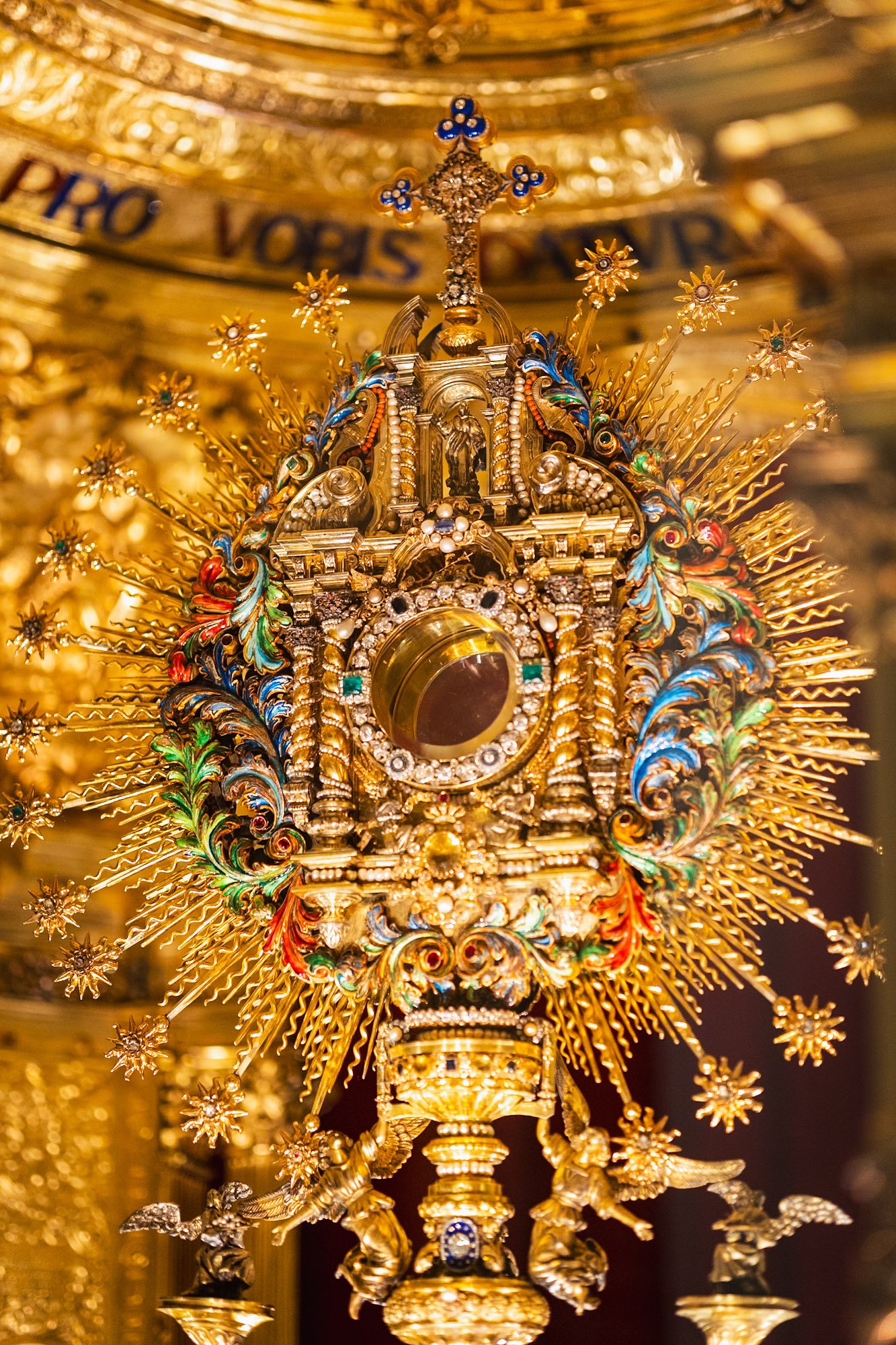
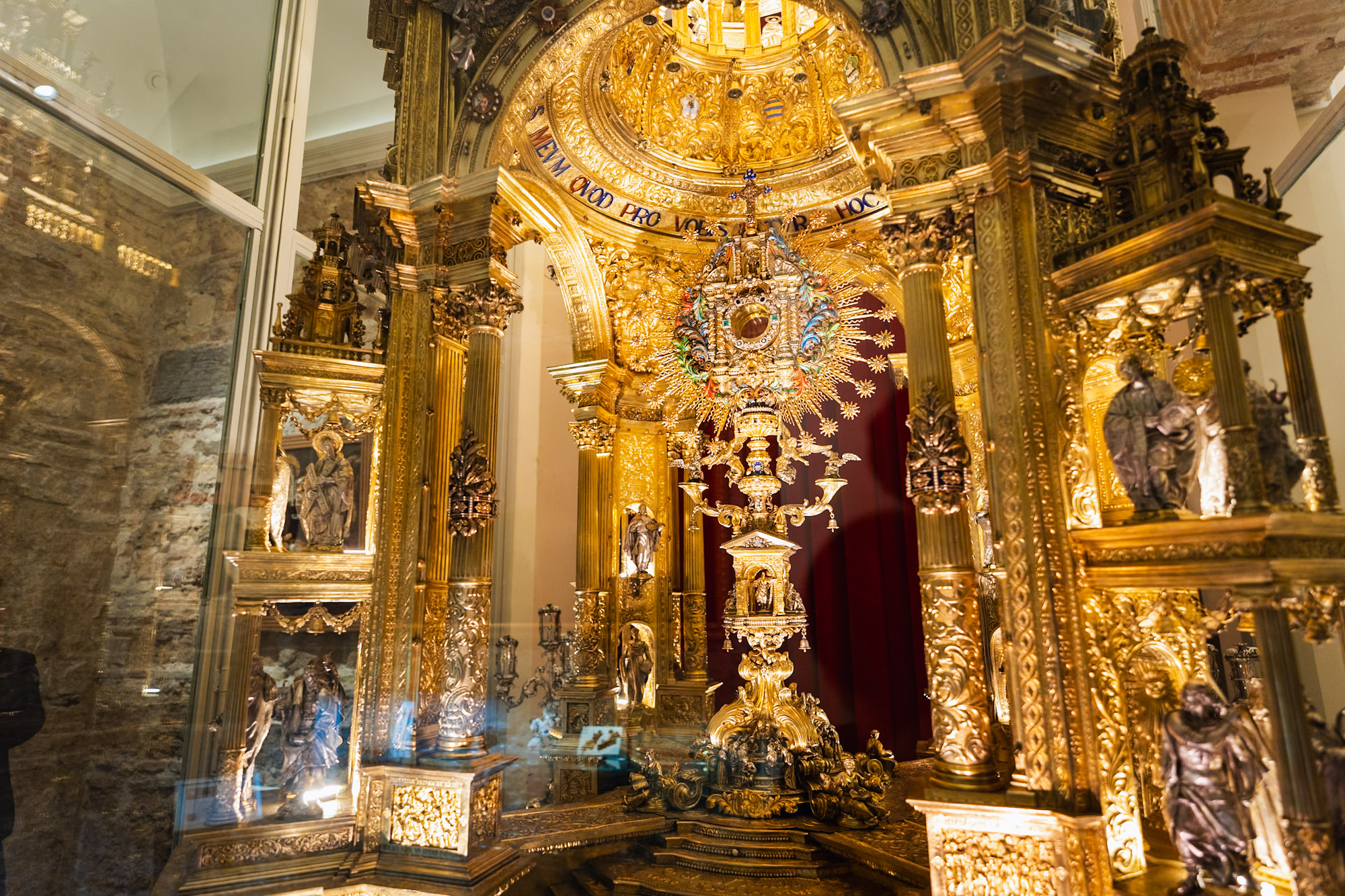
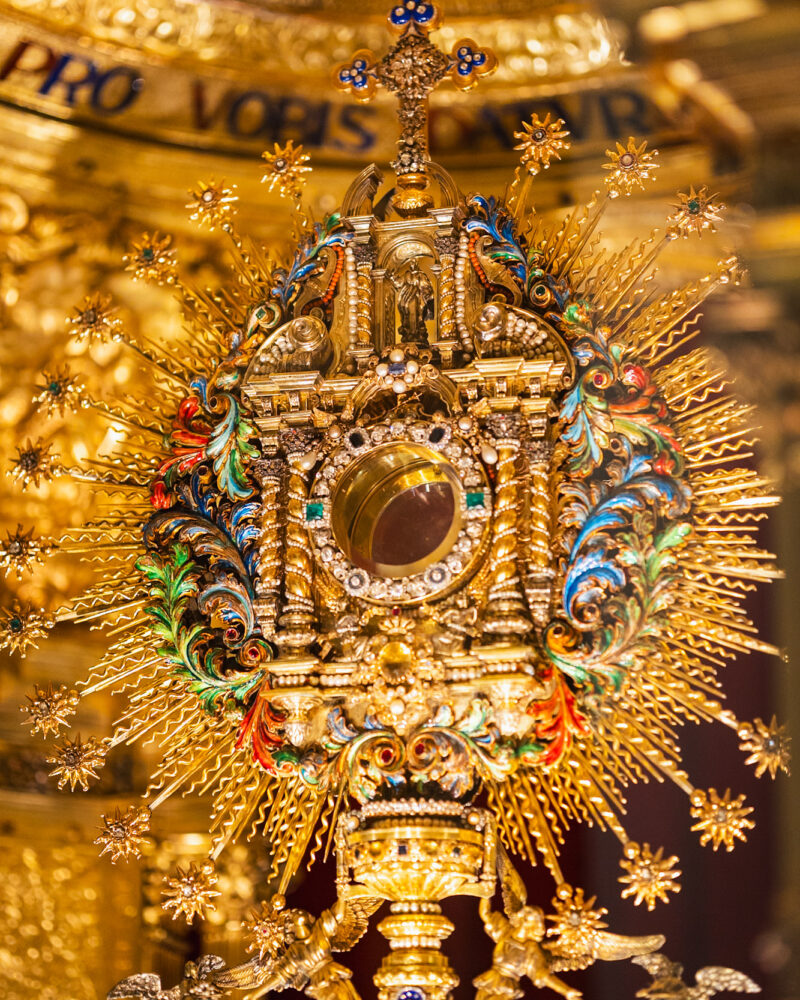
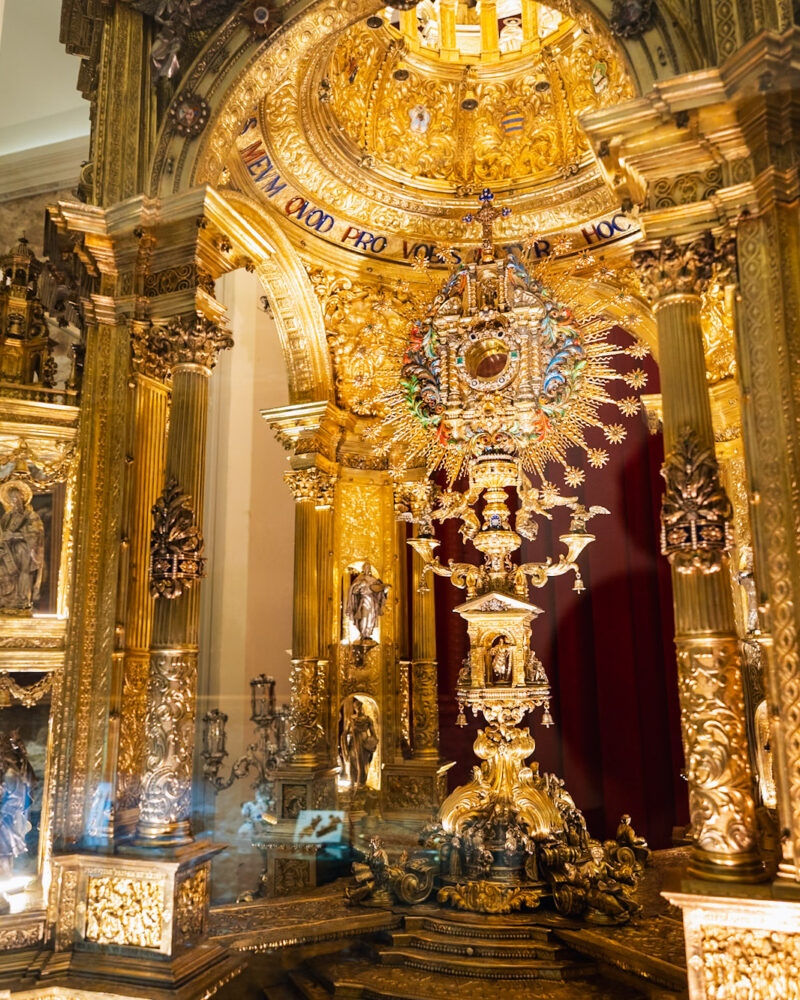
Among the cathedral’s greatest treasures is the Custodia Procesional — the largest processional monstrance in the world. Crafted in the 20th century using precious metals, jewels, and artistic elements inspired by Valencian Gothic design, it is used during major Eucharistic celebrations, especially the Corpus Christi procession. The monstrance powerfully expresses the Church’s faith in the Real Presence of Christ in the Eucharist and is a symbol of Valencia’s deep Eucharistic devotion.
A Living Center of Faith
Beyond its artistic and historical importance, the Cathedral of Valencia remains a living center of Catholic worship. Daily Masses, solemn liturgies, and traditional processions continue to shape the spiritual life of the city.
For pilgrims and visitors alike, Valencia Cathedral is not only a monument of stone and art, but a sacred space where the mystery of the Eucharist, the memory of Christ’s Passion, and centuries of faith converge.
Website: https://catedraldevalencia.es/
Directions: Pl. de l’Almoina, s/n, Ciutat Vella, 46003 València, Valencia, Spain
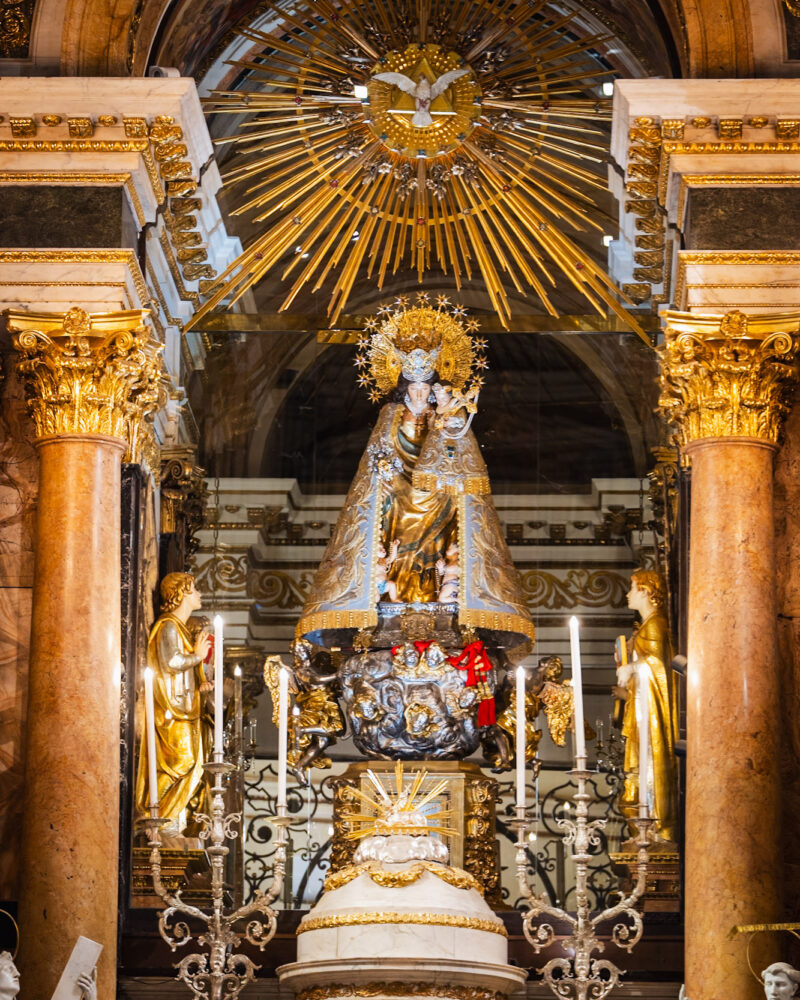
2. Basílica de Nuestra Señora de los Desamparados
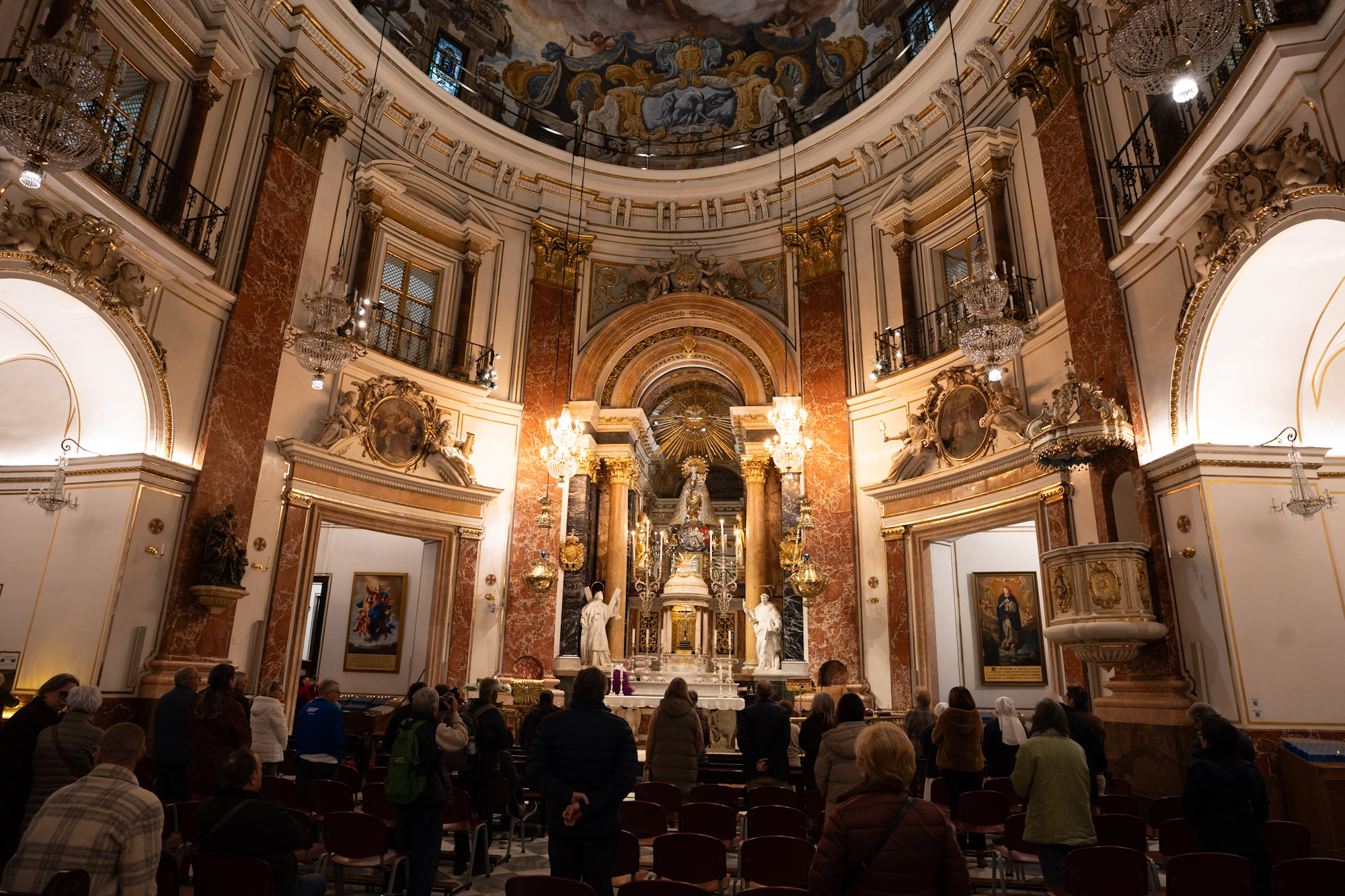
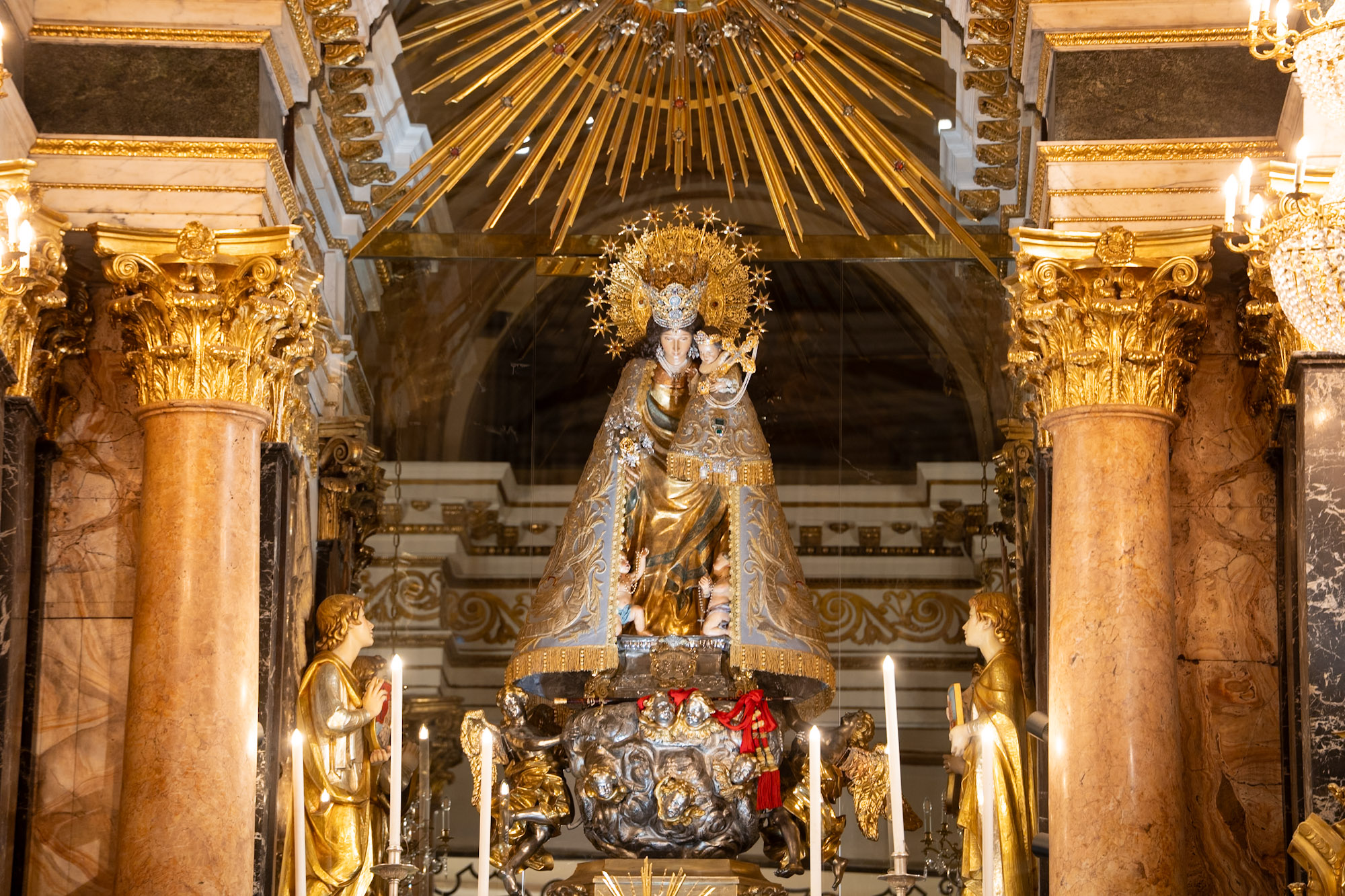
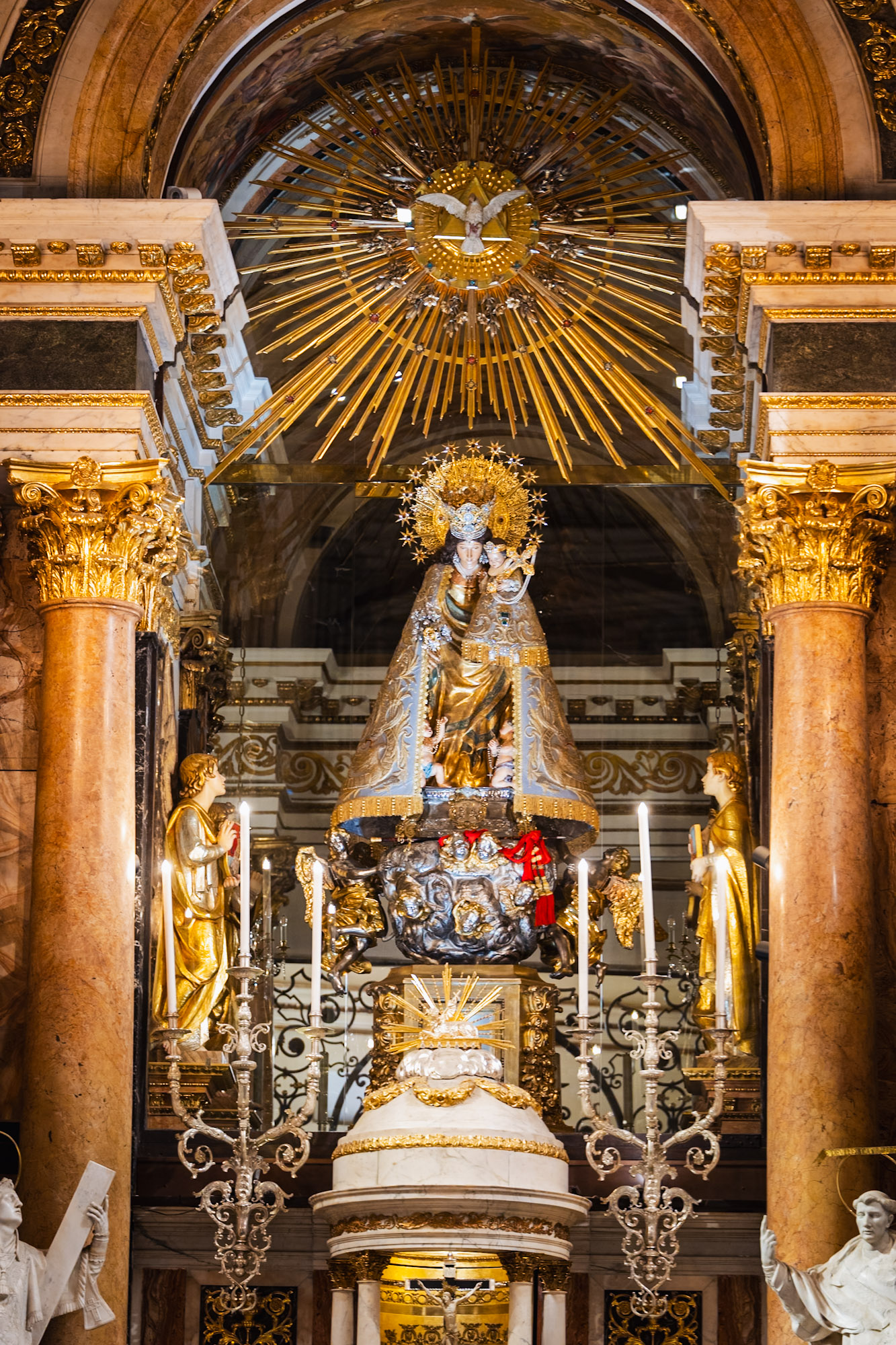
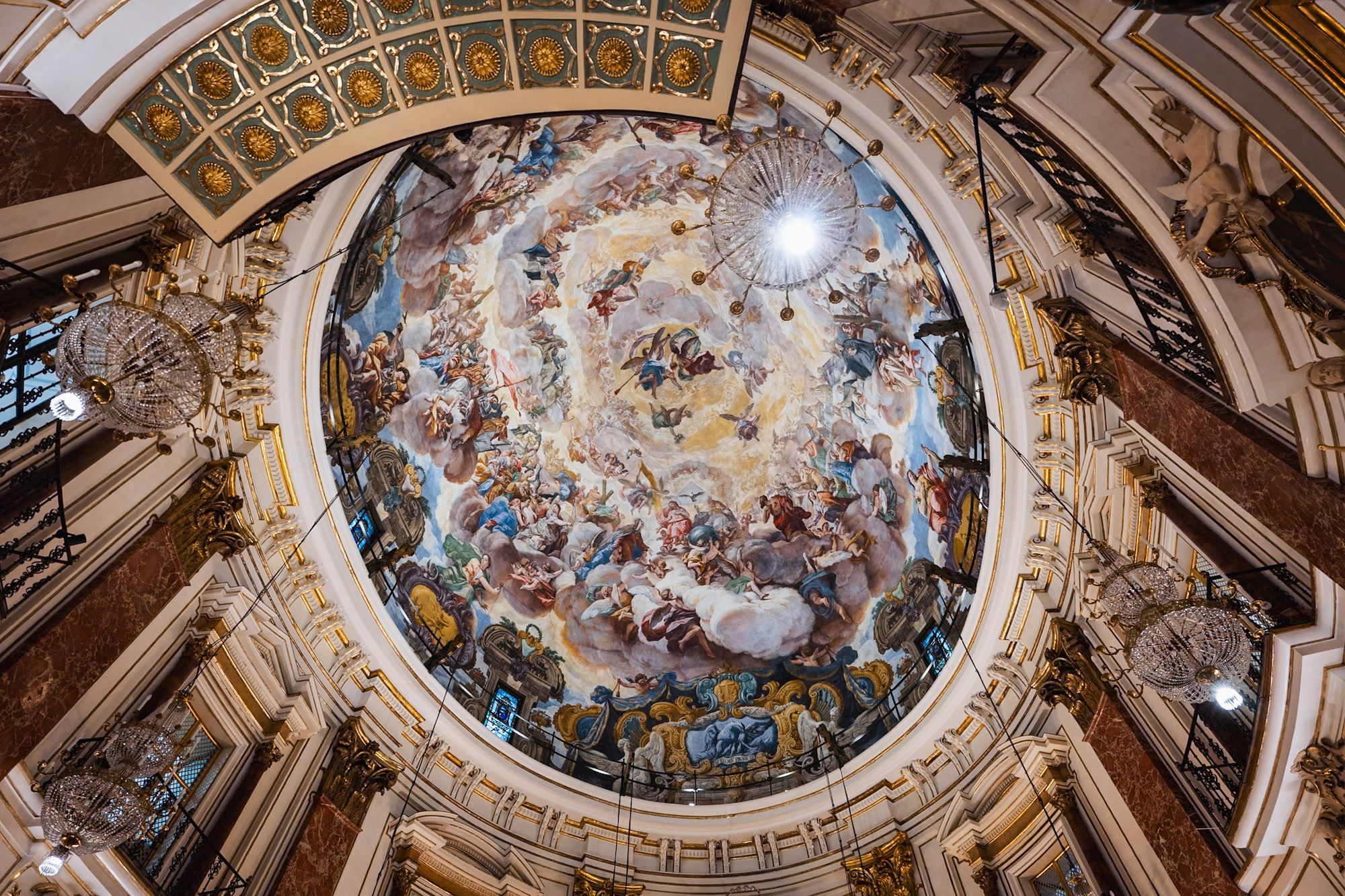
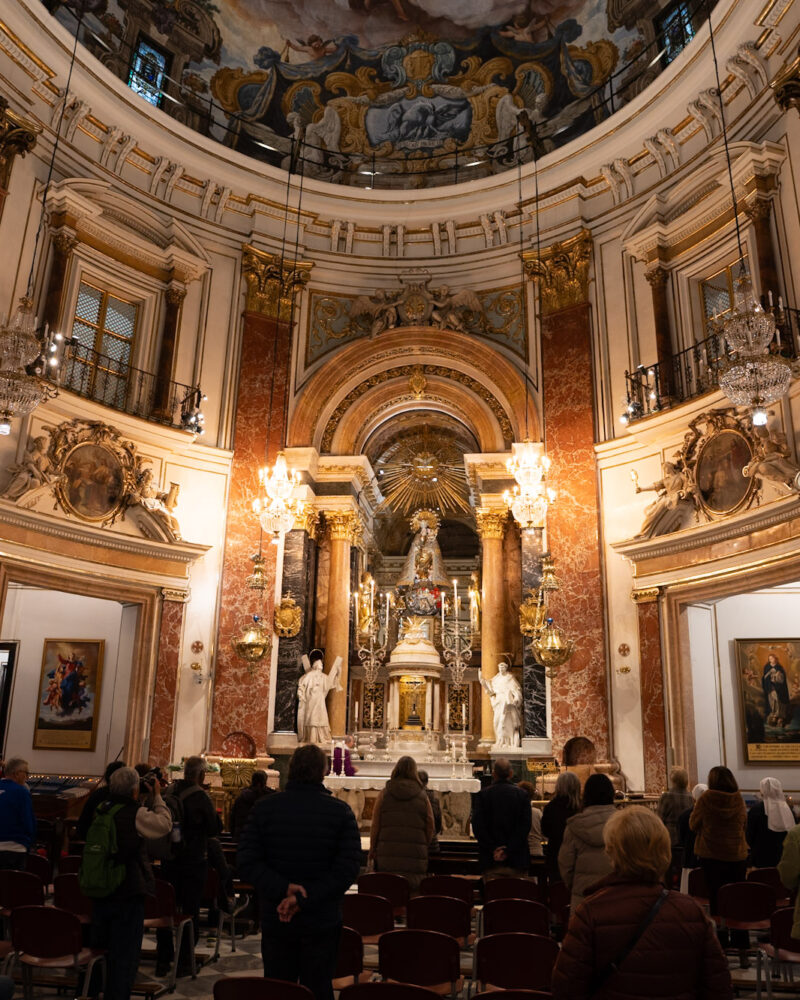
The Basilica of Our Lady of the Forsaken (Basílica de la Virgen de los Desamparados) is one of the most beloved sacred places in Valencia, Spain, standing beside the Cathedral on the historic Plaza de la Virgen. Built in the 17th century, the basilica was created to honor Valencia’s patroness, Our Lady of the Forsaken, protector of the poor, the sick, and all who are forgotten by society.
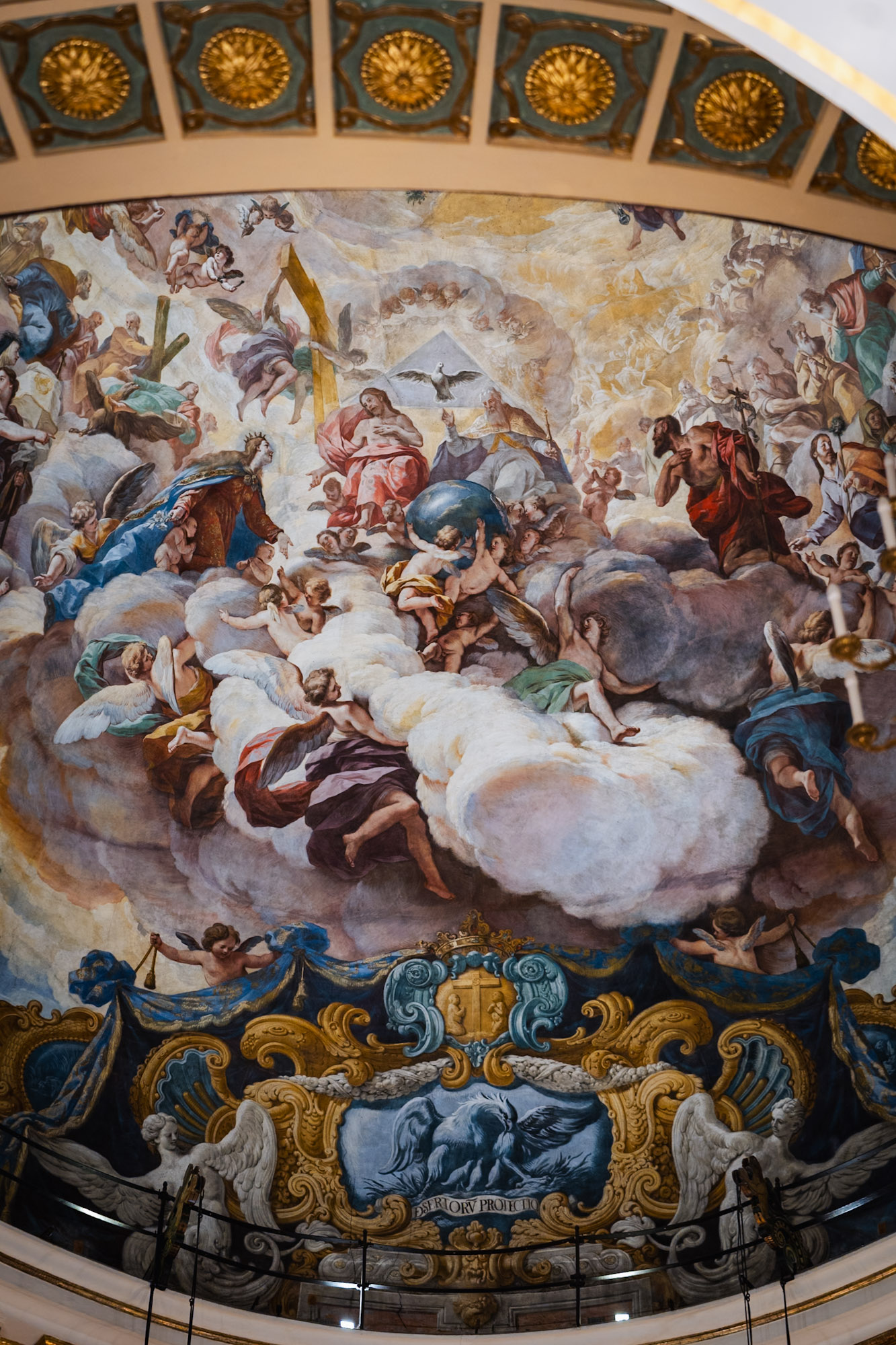
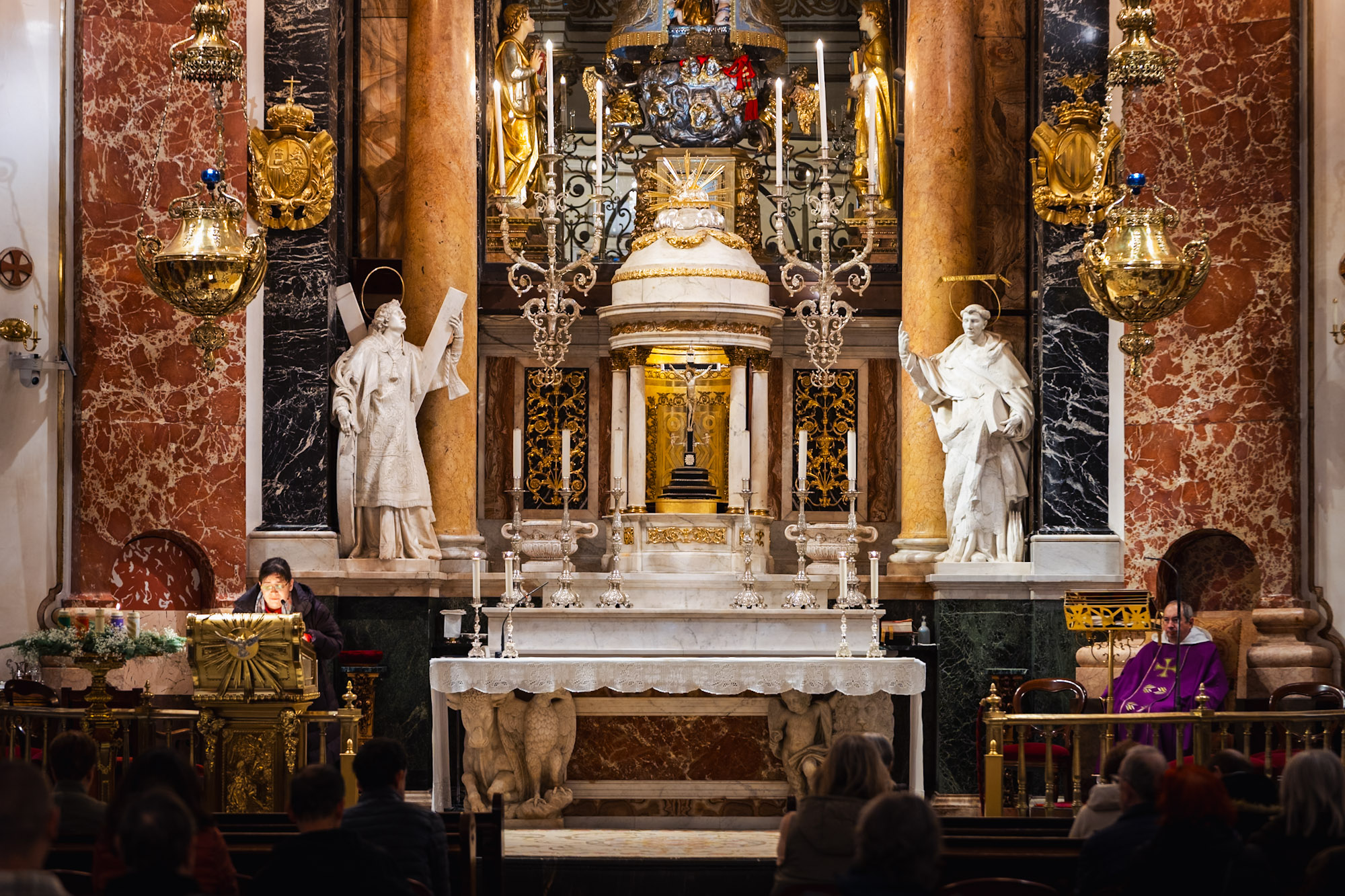
The church is known for its elegant Baroque architecture and distinctive elliptical floor plan, which draws the faithful naturally toward the main altar. Above it rests the revered image of the Virgin, slightly inclined forward, symbolizing Mary bending down in compassion toward her children. Rich frescoes decorate the dome, depicting scenes of her heavenly glory and the devotion of the people of Valencia throughout the centuries.
More than an architectural treasure, the basilica is a living shrine of mercy and devotion. Here, generations have come to entrust their sorrows, hopes, and gratitude to the “Mare de Déu.” During her feast in May, the basilica becomes the heart of the city, filled with prayer, tears, and joy as the faithful gather to honor the Mother who never abandons her children.
The Basilica of Our Lady of the Forsaken remains a powerful sign of faith, charity, and Marian tenderness — a place where heaven and human suffering meet under the mantle of the Virgin.
Website: http://www.basilicadesamparados.org/
Directions: Plaça de la Mare de Déu, 6, Ciutat Vella, 46001 València, Valencia, Spain



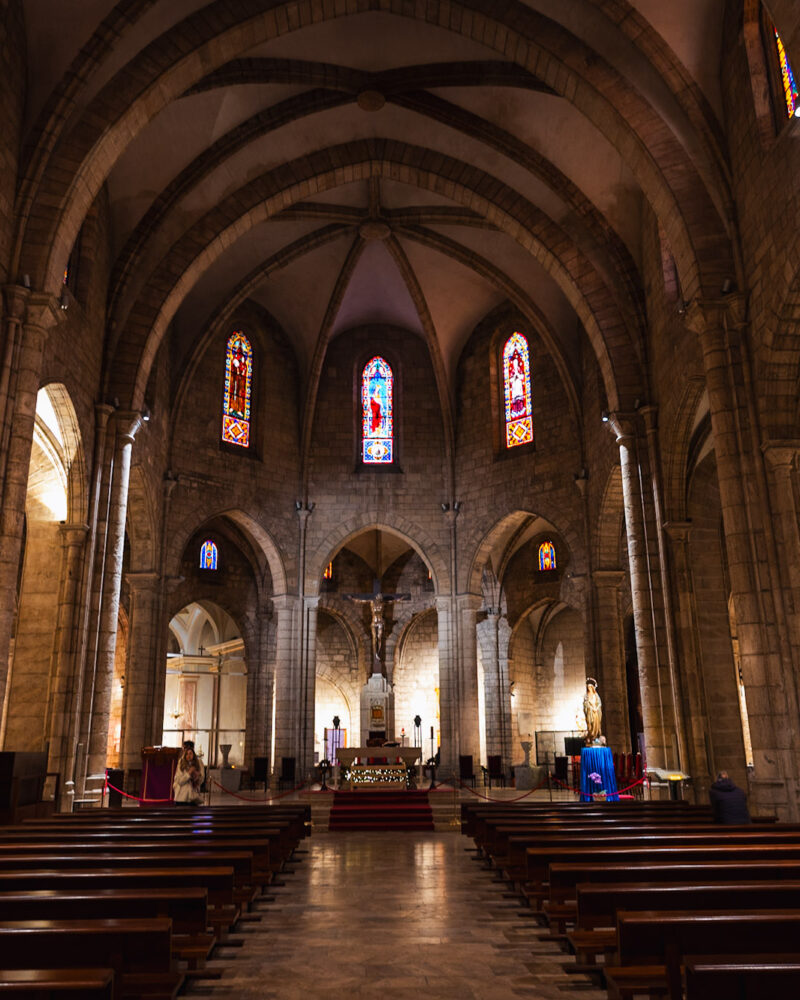
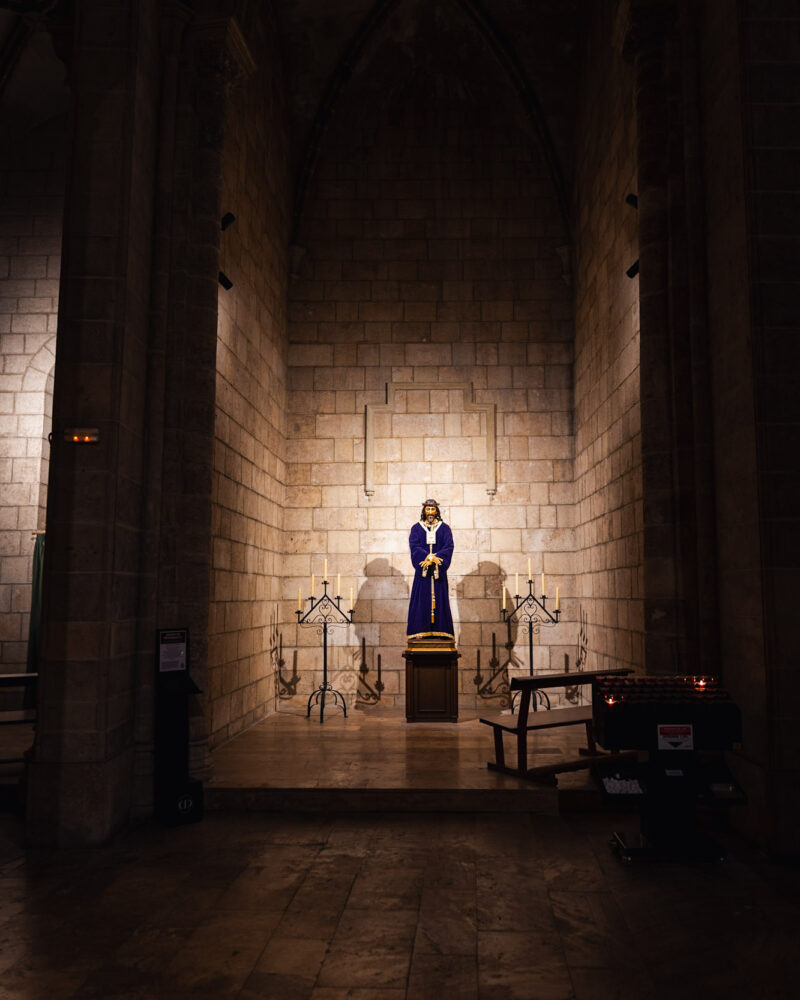
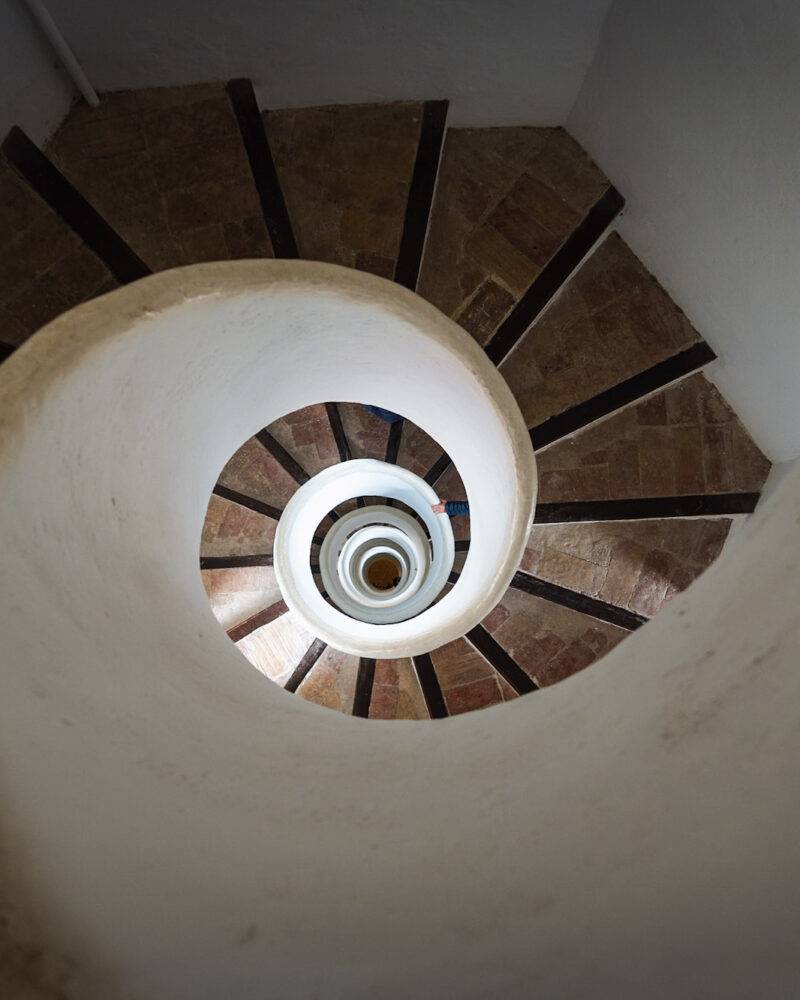
3. Santa Catalina
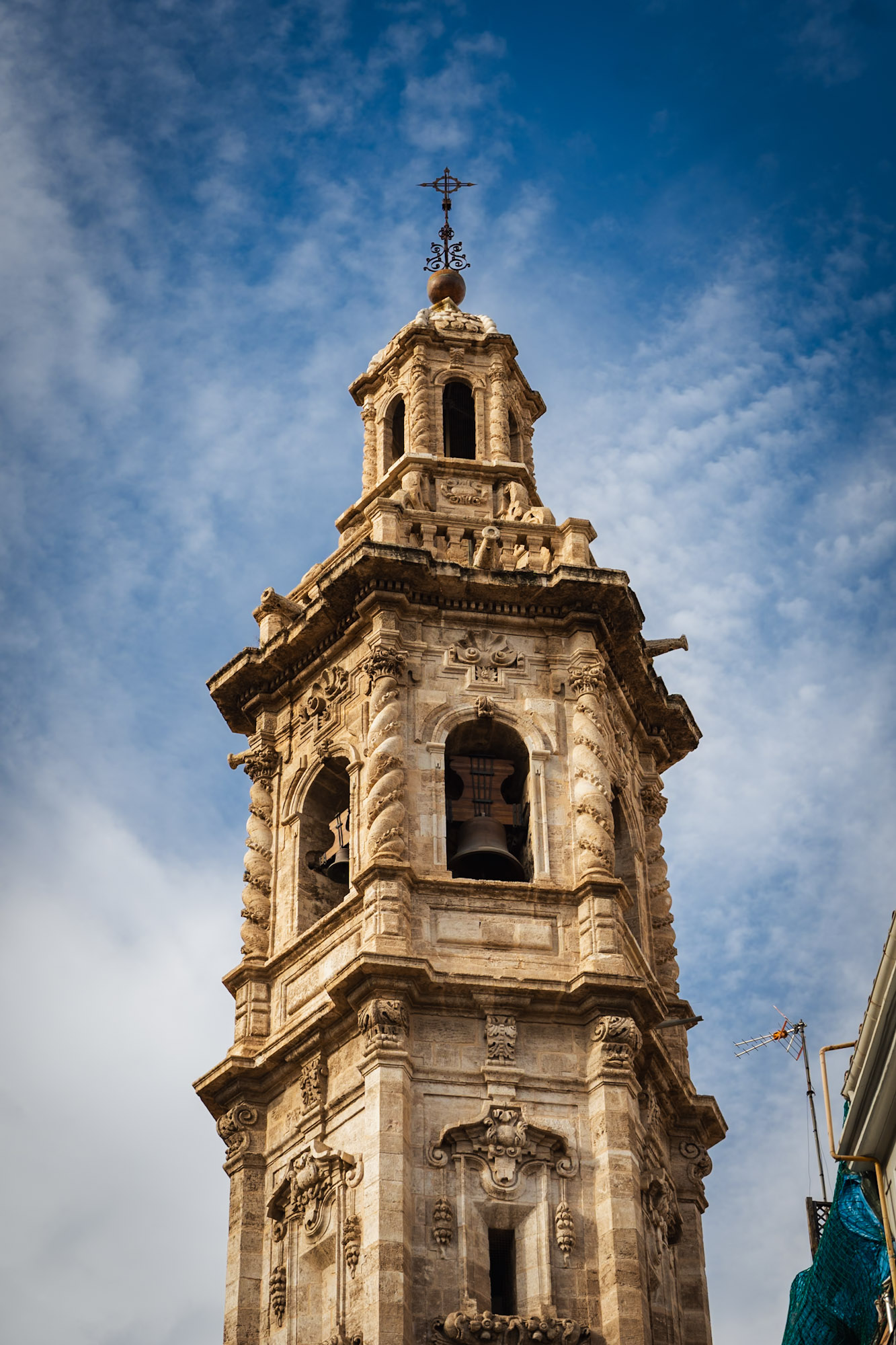
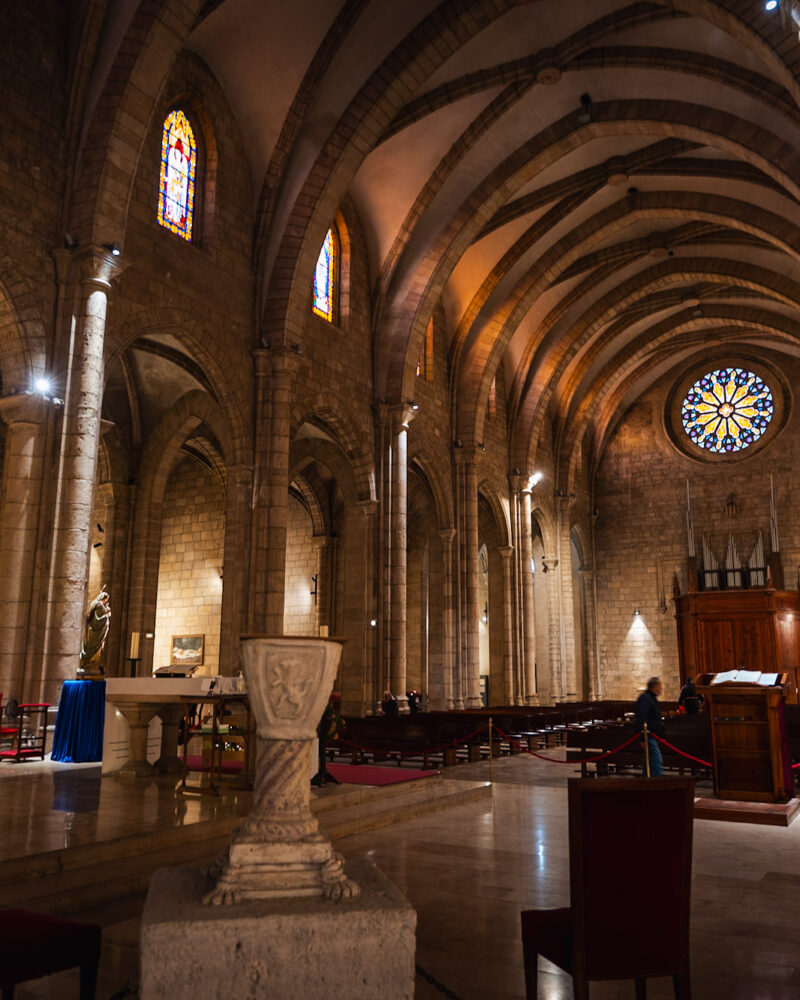
The Church of Santa Catalina Mártir is one of the oldest and most emblematic churches in Valencia, located in the historic city center near Plaza de la Reina. Its history reflects the layered story of the city itself — Roman, Islamic, and Christian.
Originally built as a mosque during Muslim rule, the site was consecrated as a Christian church following the Reconquista in 1238, when King James I of Aragon reclaimed Valencia. The first Christian church was constructed in the Gothic style, though the building was later transformed.
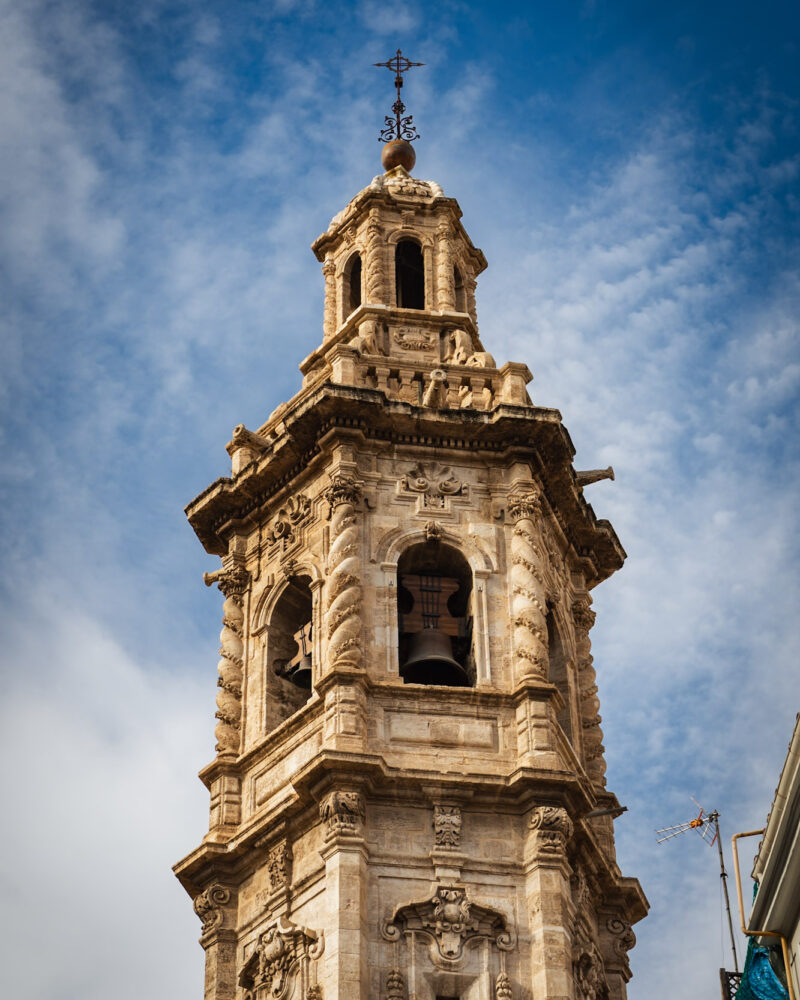
In the 17th and 18th centuries, Santa Catalina underwent major renovations, adopting the elegant Baroque style that defines much of its interior today. One of the church’s most striking features is its bell tower, rebuilt in the early 18th century in a distinctive Valencian Baroque style. Rising gracefully above the surrounding streets, it has become one of the city’s most recognizable landmarks.
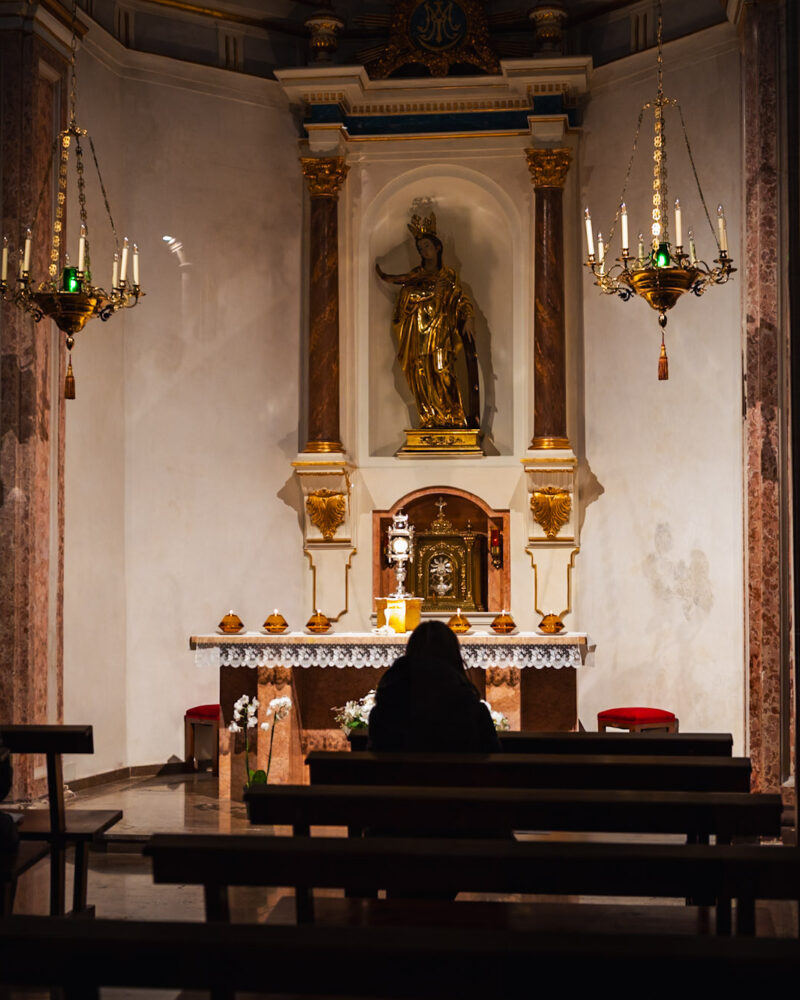
Inside, visitors find a richly decorated interior with side chapels, ornate altarpieces, and sacred artworks dedicated to St. Catherine of Alexandria, a martyr and one of the most revered saints of early Christianity. The church remains an active parish and a place of prayer, drawing both locals and pilgrims.
Today, the Church of Santa Catalina stands as a testament to Valencia’s spiritual continuity — a sacred space where centuries of faith, art, and history meet in the heart of the old city.
Directions: Pl. de Santa Caterina, 1, Ciutat Vella, 46001 València, Valencia, Spain
Would you like to stay close to the Holy Eucharist all day long?
Now you can, I have 8 Holy Eucharist Wallpapers for you, so you can stay connected with Jesus Christ anywhere you are!
4. Sant Miquel i Sant Sebastià
The Church of Sant Miquel i Sant Sebastià is a historic parish church located in the heart of Valencia’s old town, reflecting the city’s deep Christian roots and its layered past.
Originally built after the Christian reconquest of Valencia in the 13th century, the church stands on a site that previously housed a mosque, a common feature of early Christian churches in the city following 1238. Over the centuries, the building underwent several reconstructions and renovations, resulting in a harmonious blend of Gothic foundations and later Baroque elements, especially visible in its interior decoration.
Dedicated to Saint Michael the Archangel, protector of the Church and defender against evil, and Saint Sebastian, an early Christian martyr and symbol of faith, courage, and perseverance, the church has long been a place of prayer and spiritual refuge for the local community.
Inside, visitors encounter a serene atmosphere marked by side chapels, devotional imagery, and altarpieces reflecting popular Valencian piety. Though modest in size compared to the cathedral, the church remains an active parish and a meaningful stop for those exploring Valencia’s lesser-known sacred spaces.
Today, Sant Miquel i Sant Sebastià stands as a quiet witness to centuries of faith — a reminder of Valencia’s enduring Christian identity and the continuity of worship in the historic center of the city.
Directions: Plaza de San Sebastián, 1, Extramurs, 46008 València, Valencia, Spain
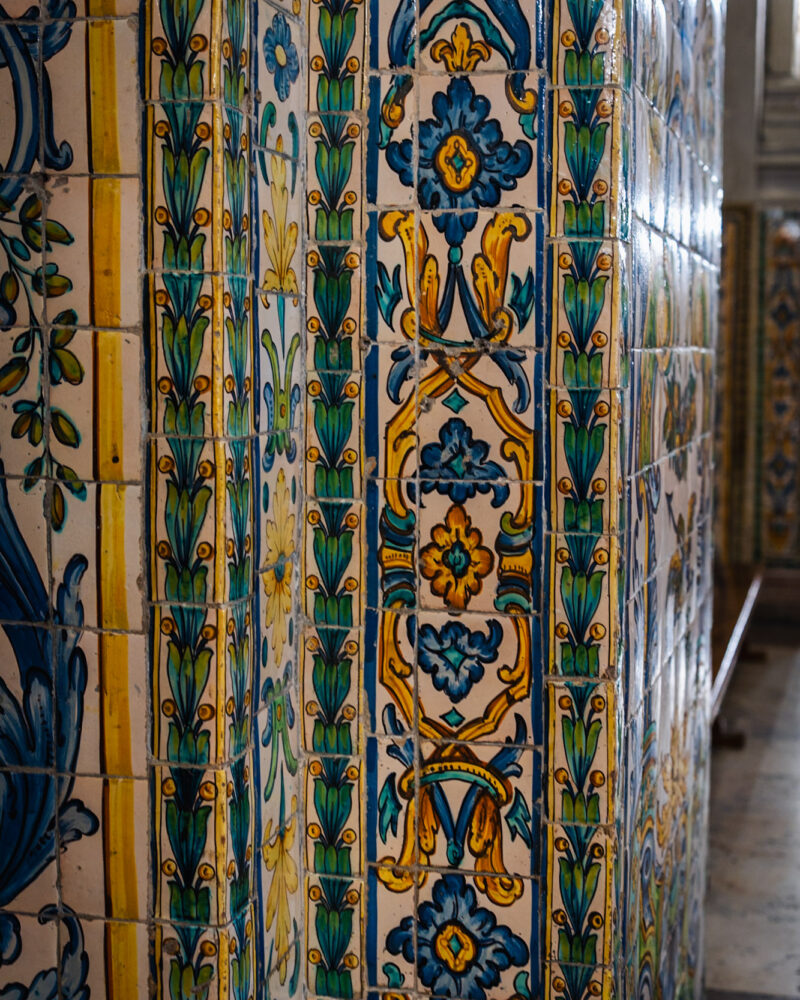
5. San Nicolás de Bari
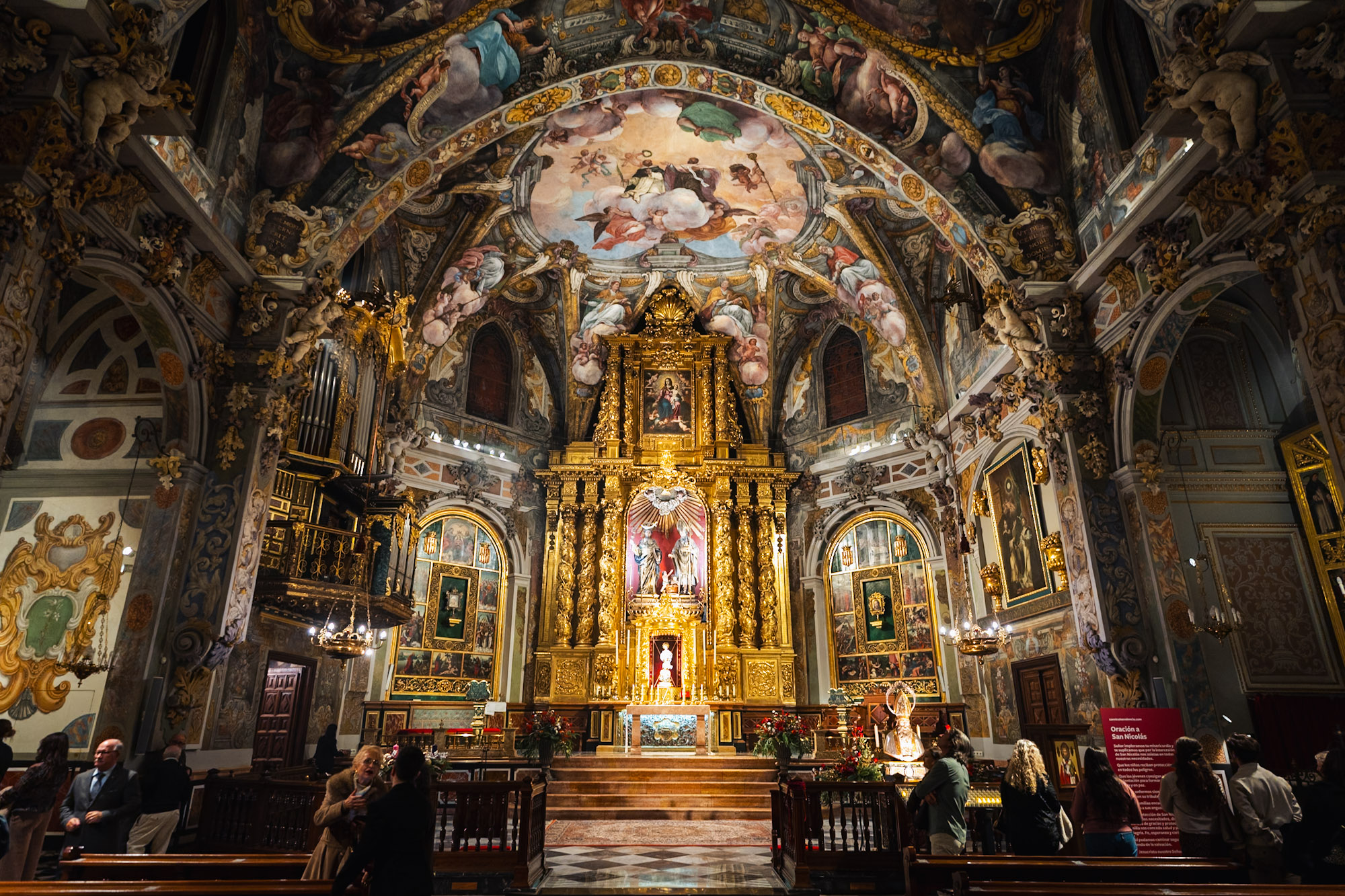
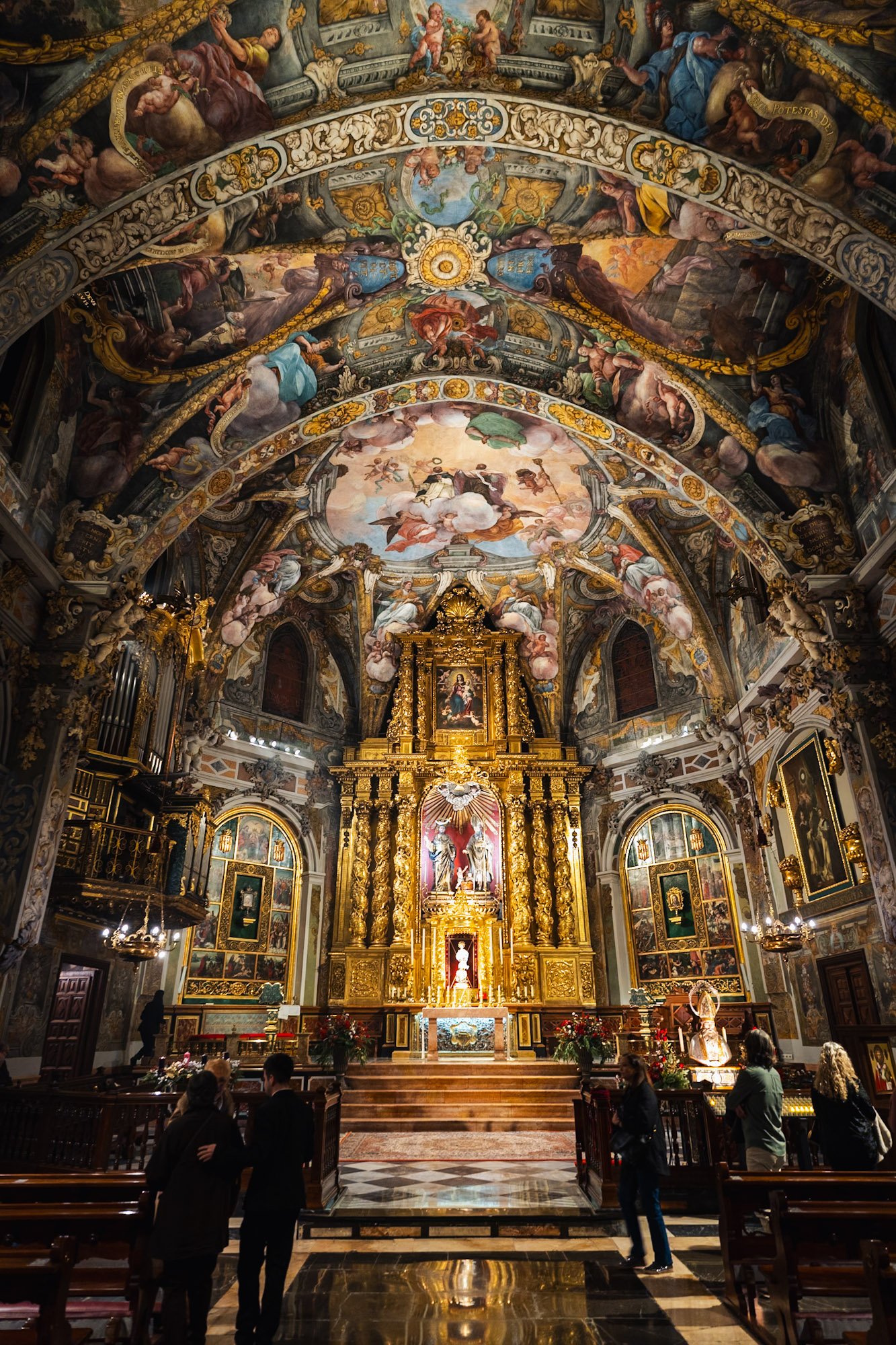
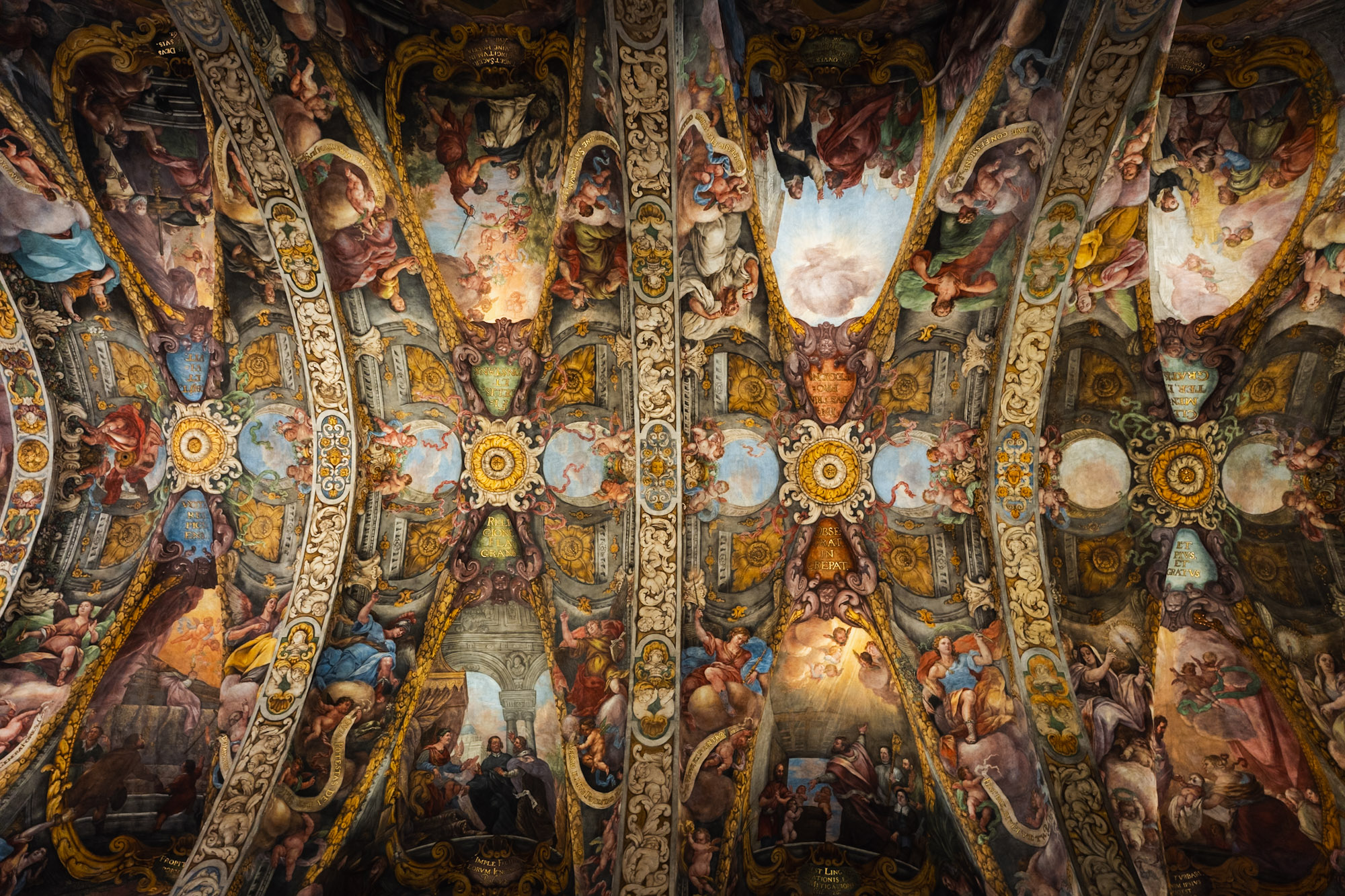
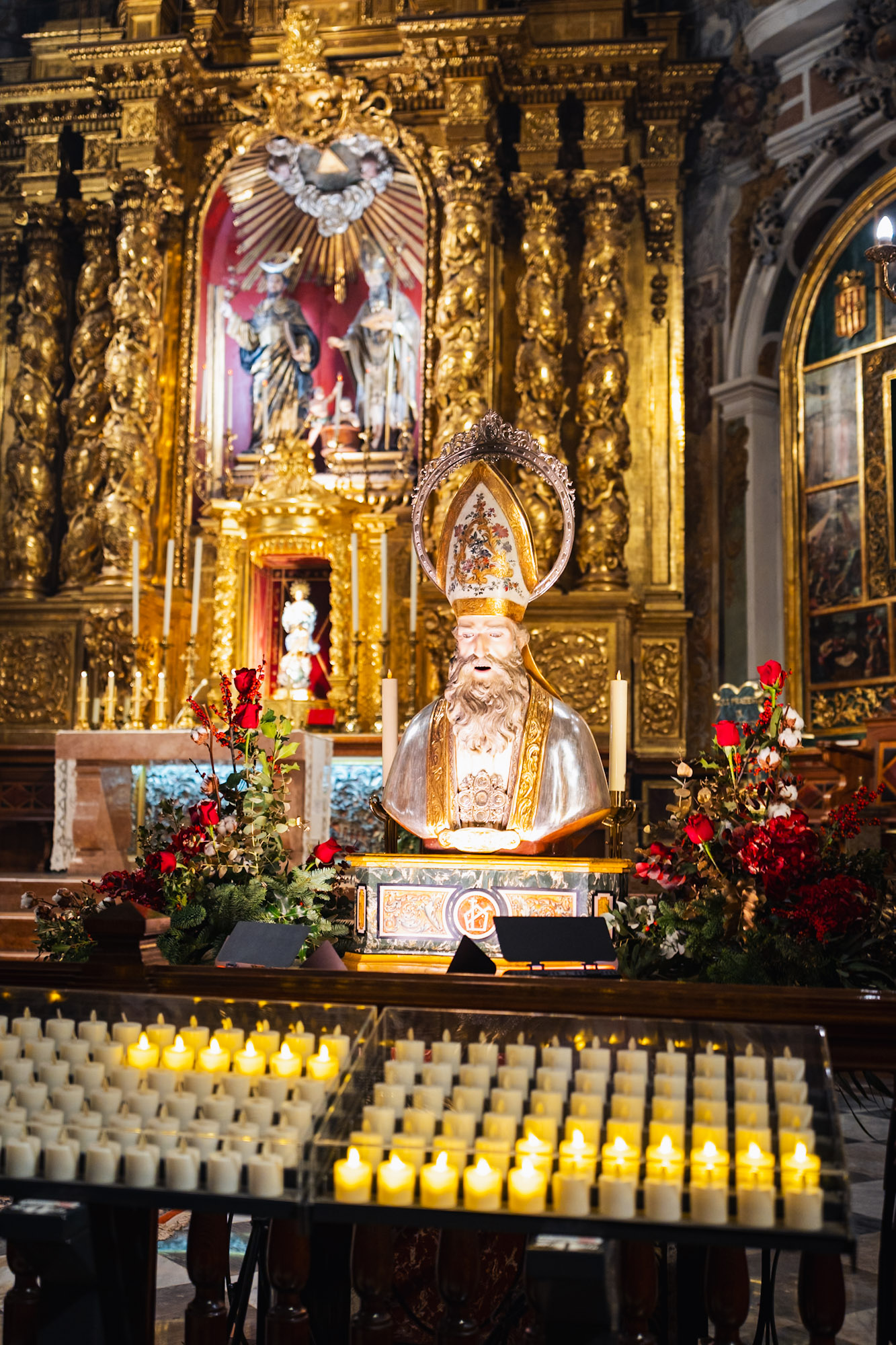
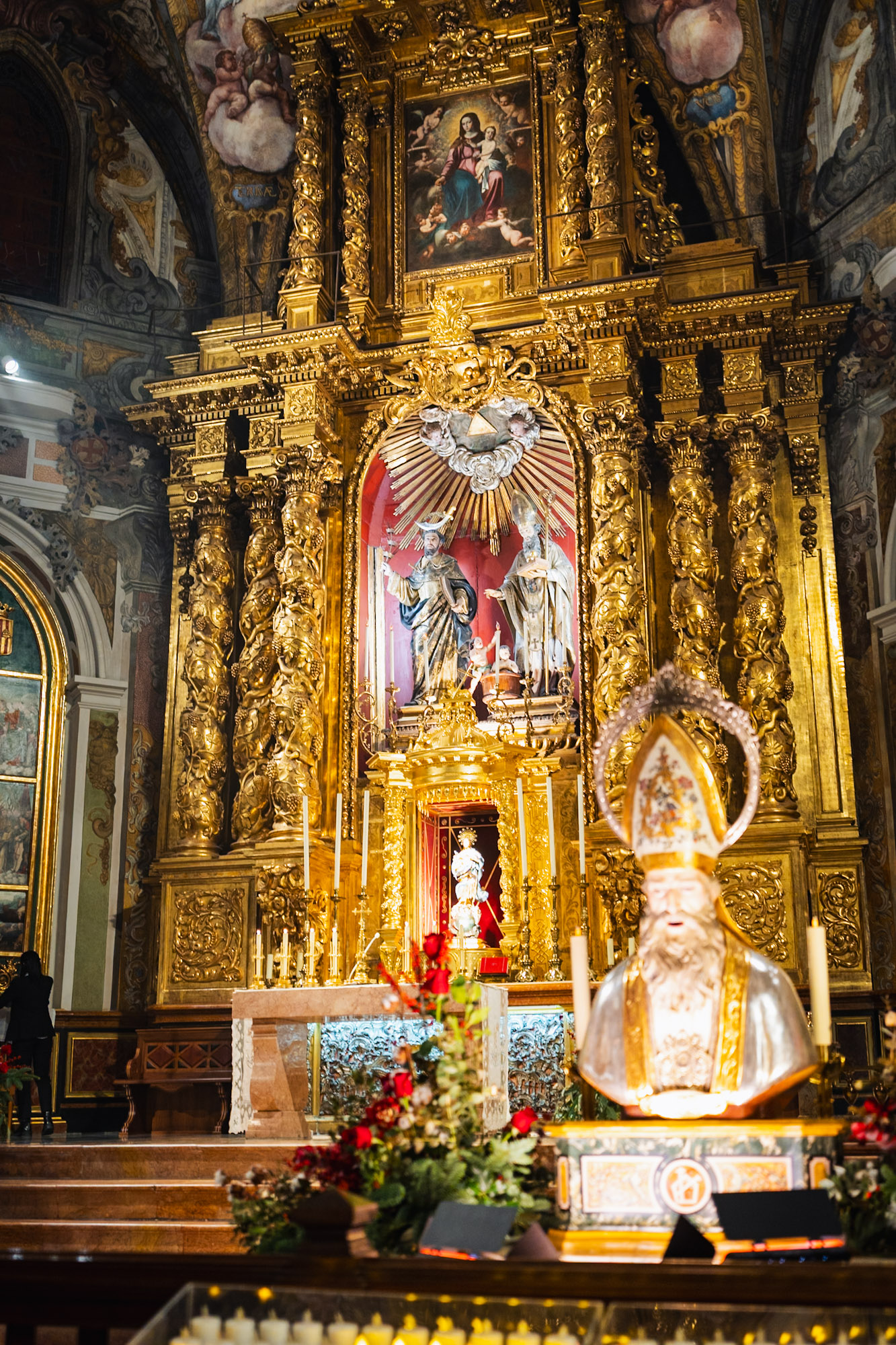
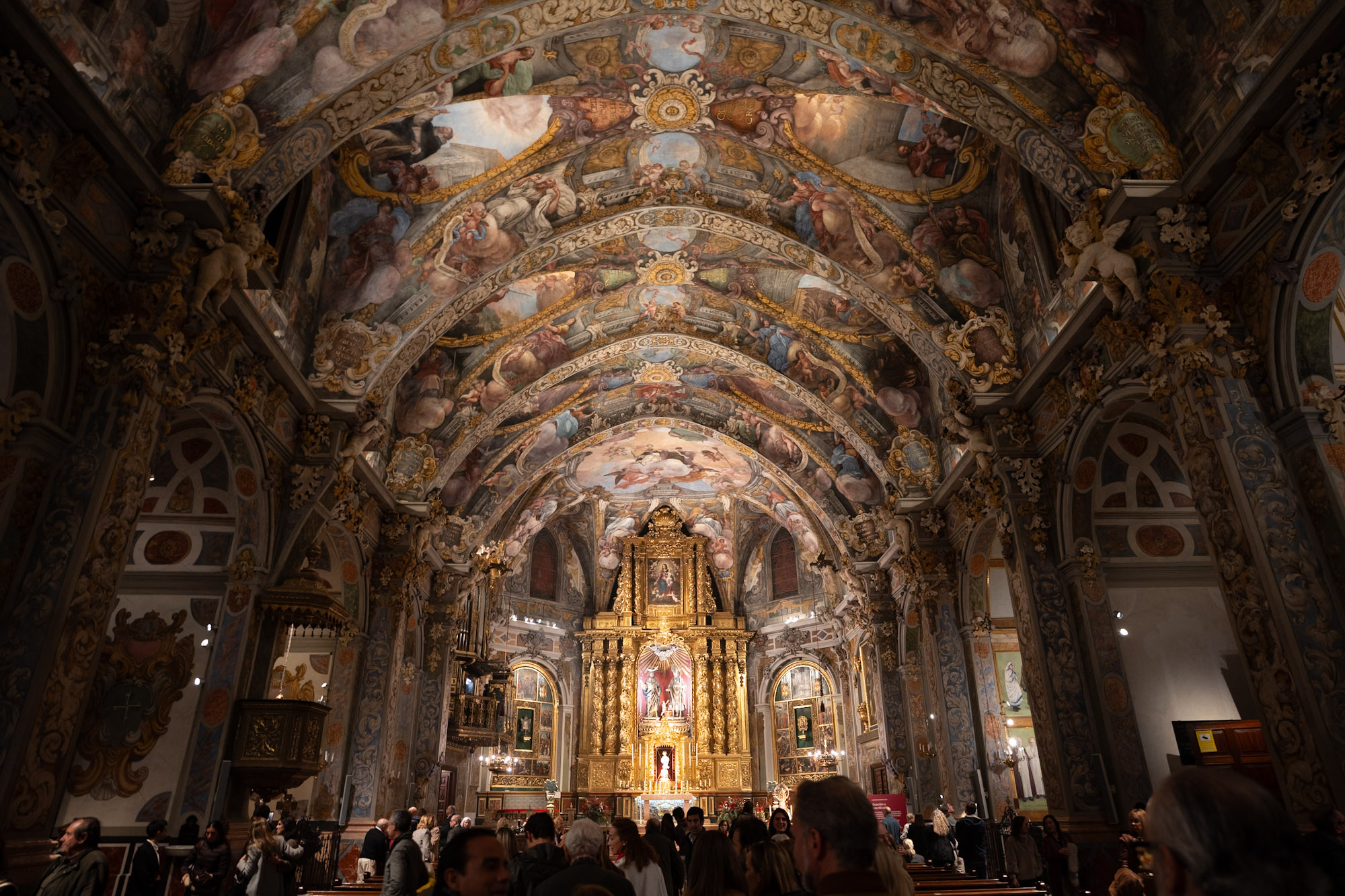
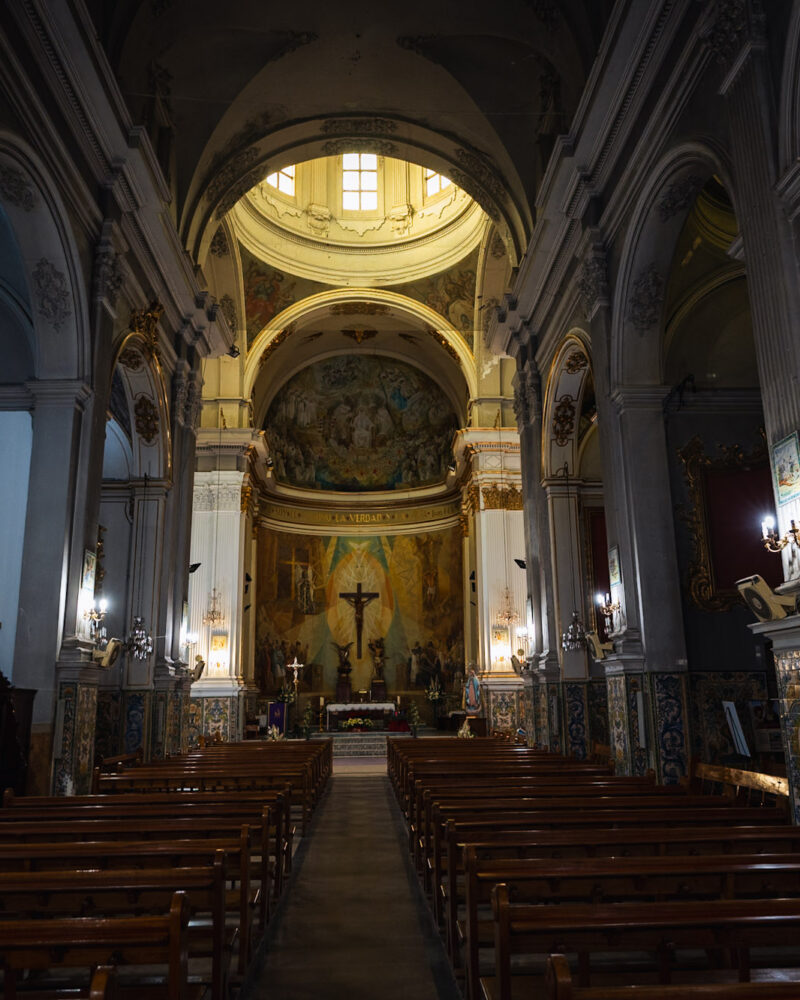
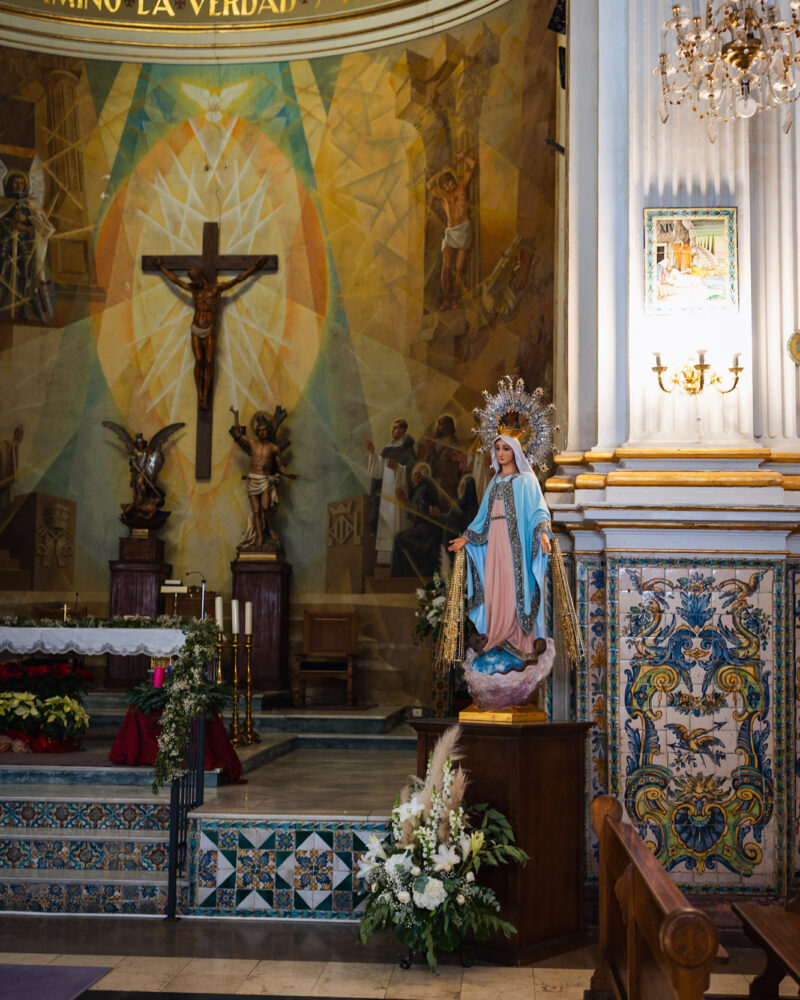
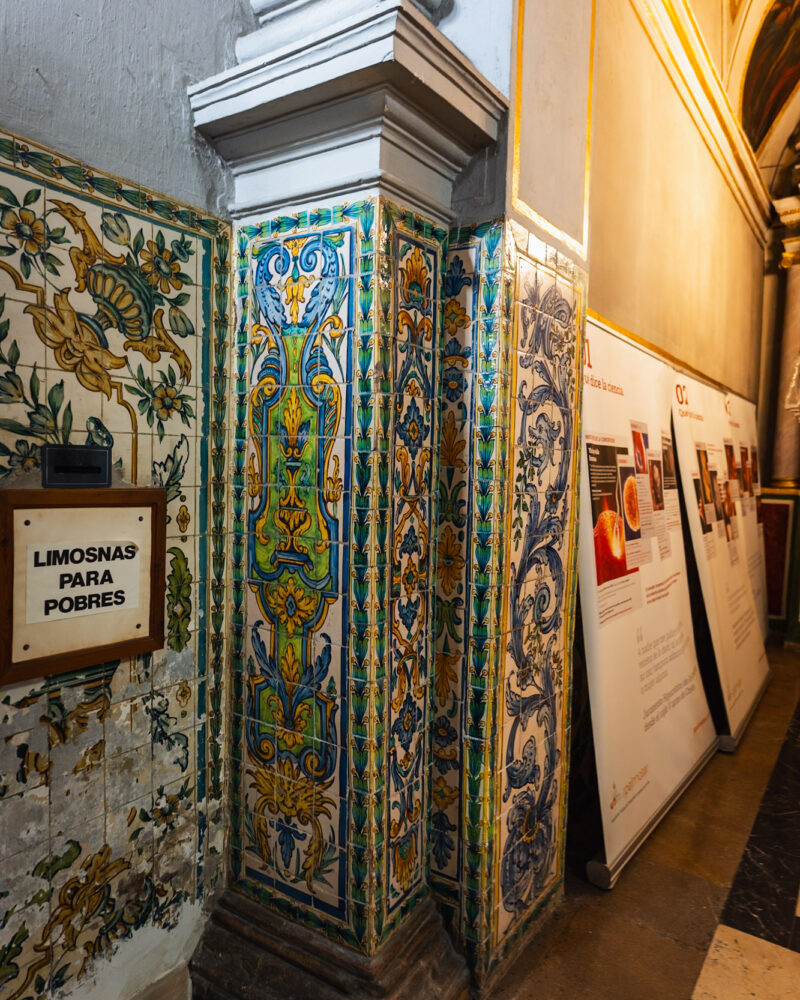
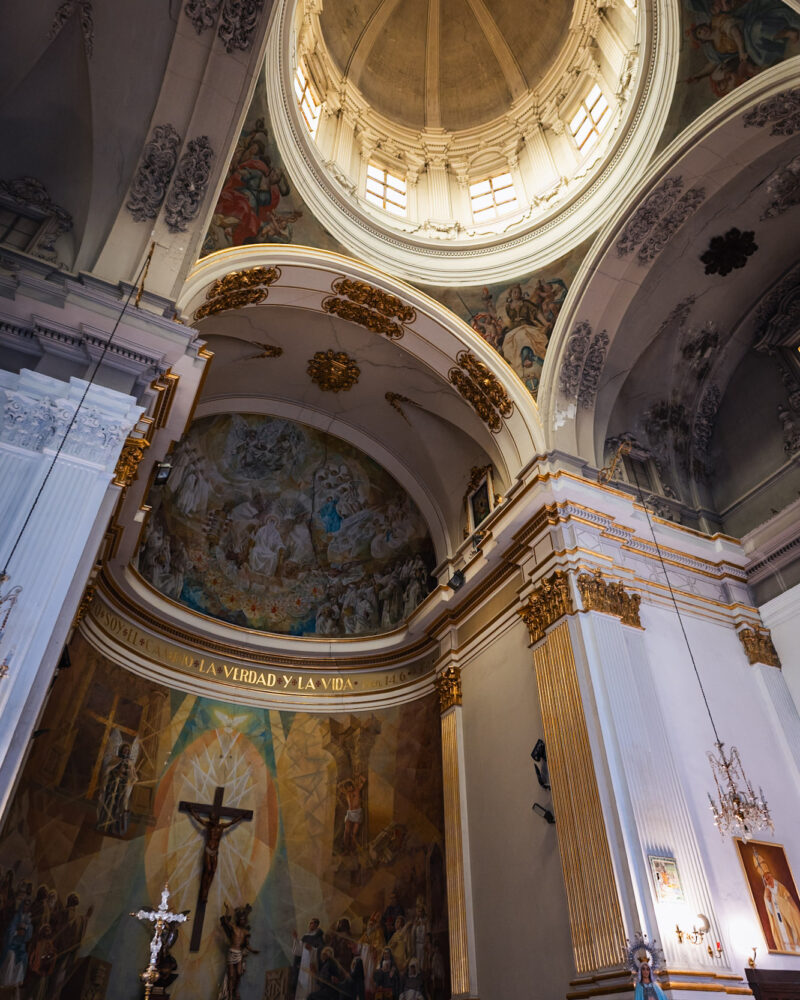
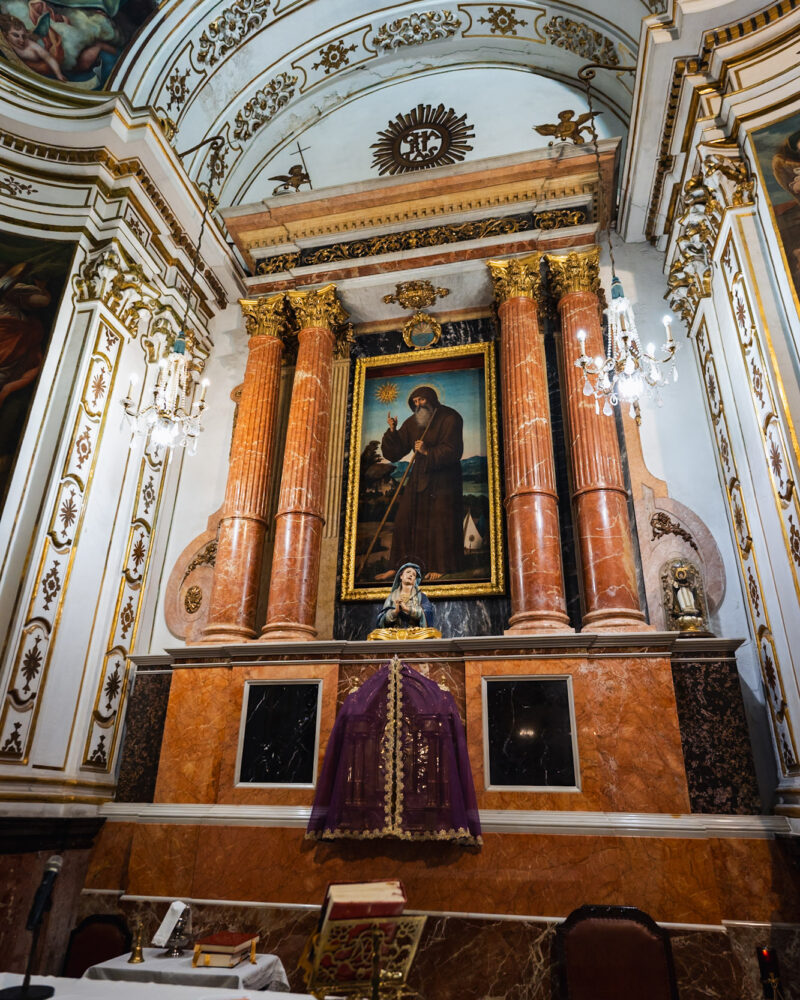
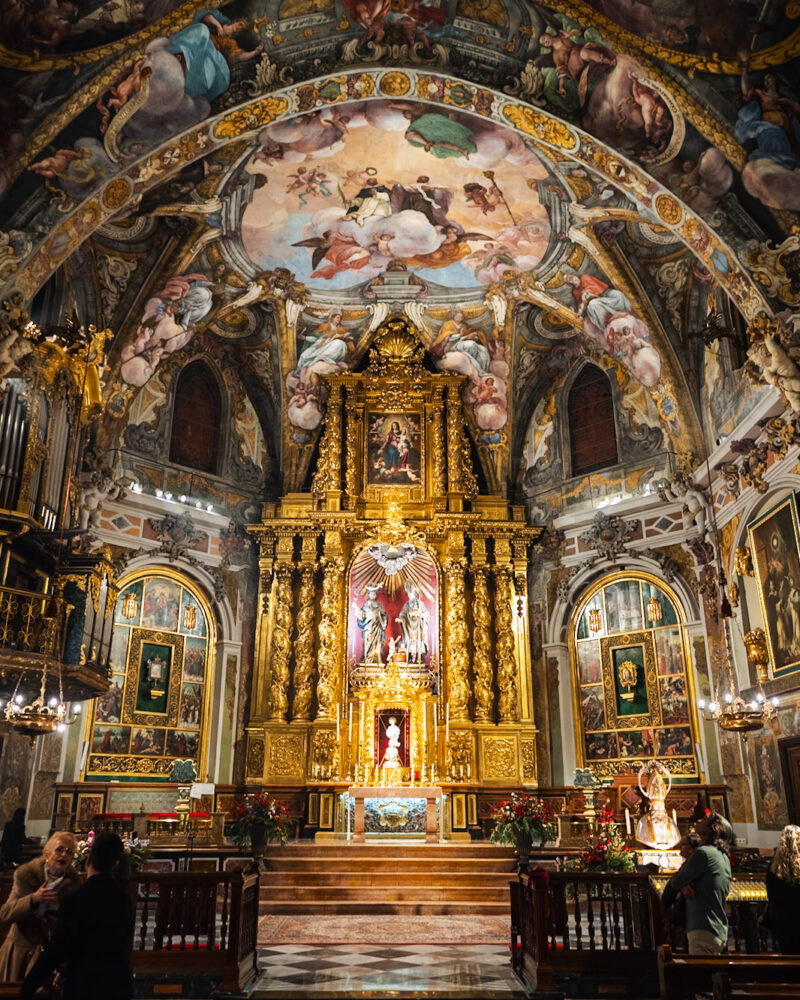
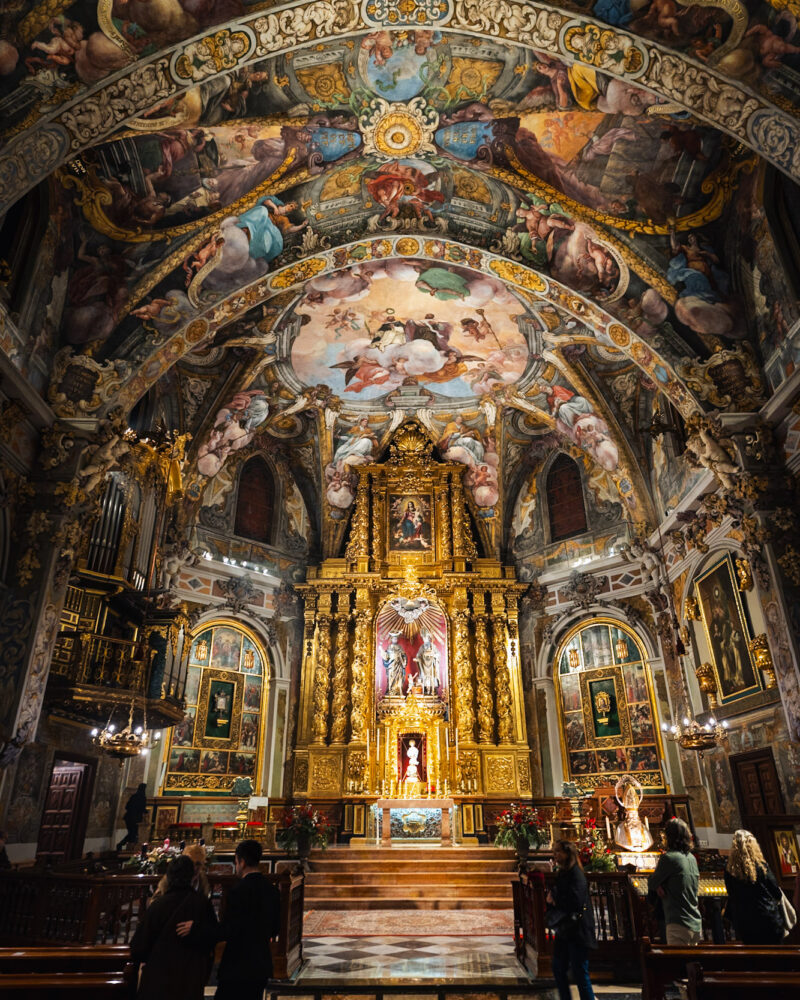
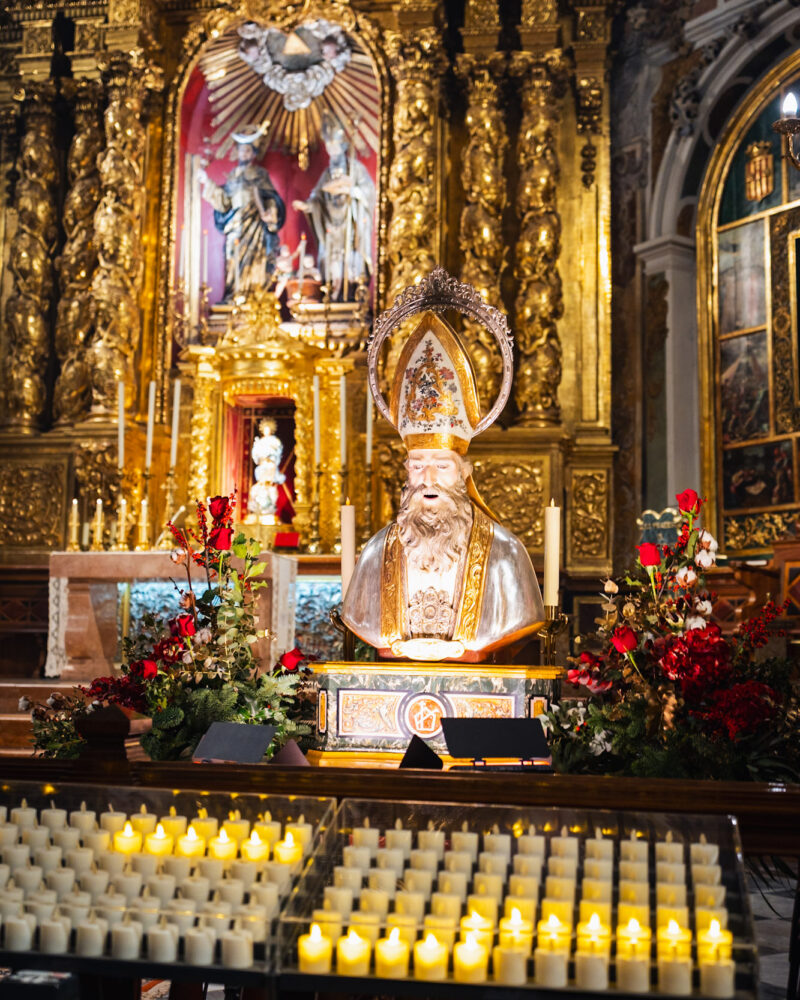
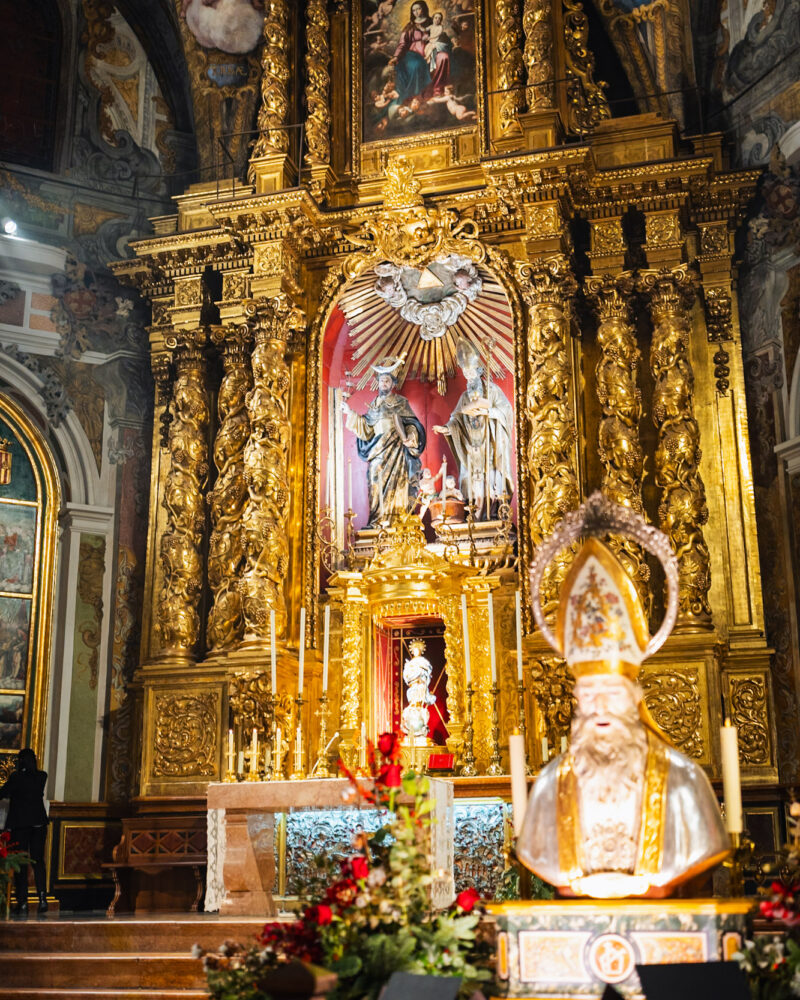
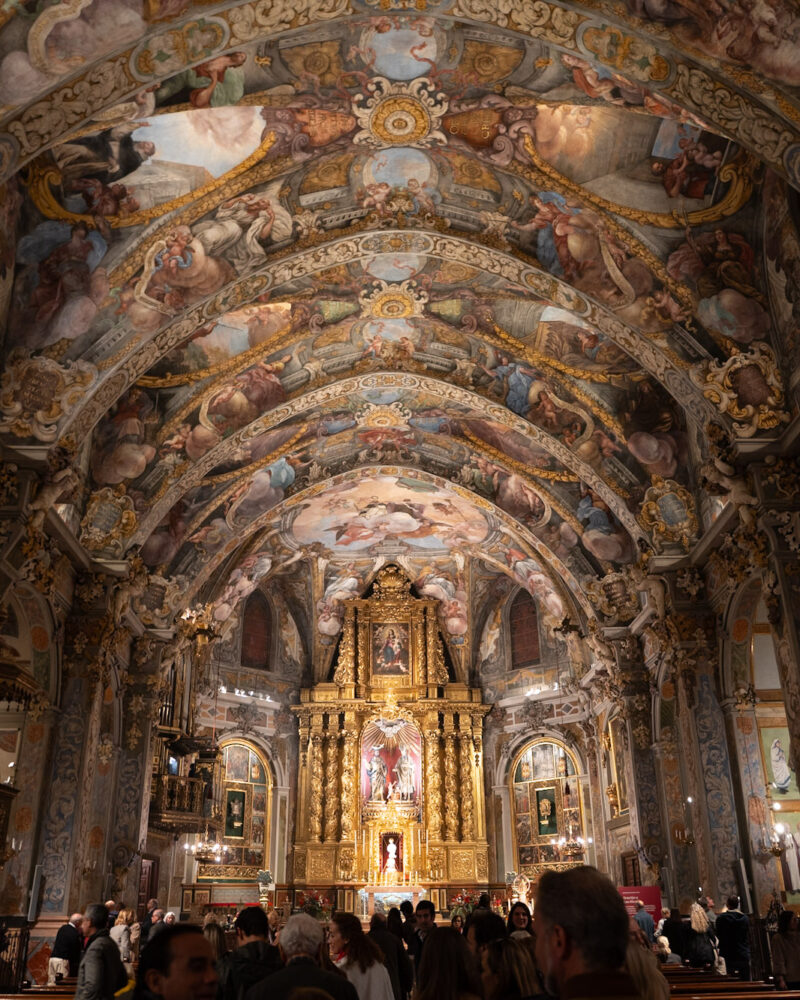
Often called the “Valencian Sistine Chapel,” the Church of San Nicolás de Bari and San Pedro Mártir is one of Valencia’s most breathtaking sacred spaces, where history, faith, and art unite.
The church was founded shortly after the Christian reconquest of Valencia in 1238, built on the site of a former mosque and dedicated to Saint Nicholas of Bari and Saint Peter Martyr. Its original structure reflects Valencian Gothic architecture, visible in the single nave and ribbed vaults that define the church’s form.
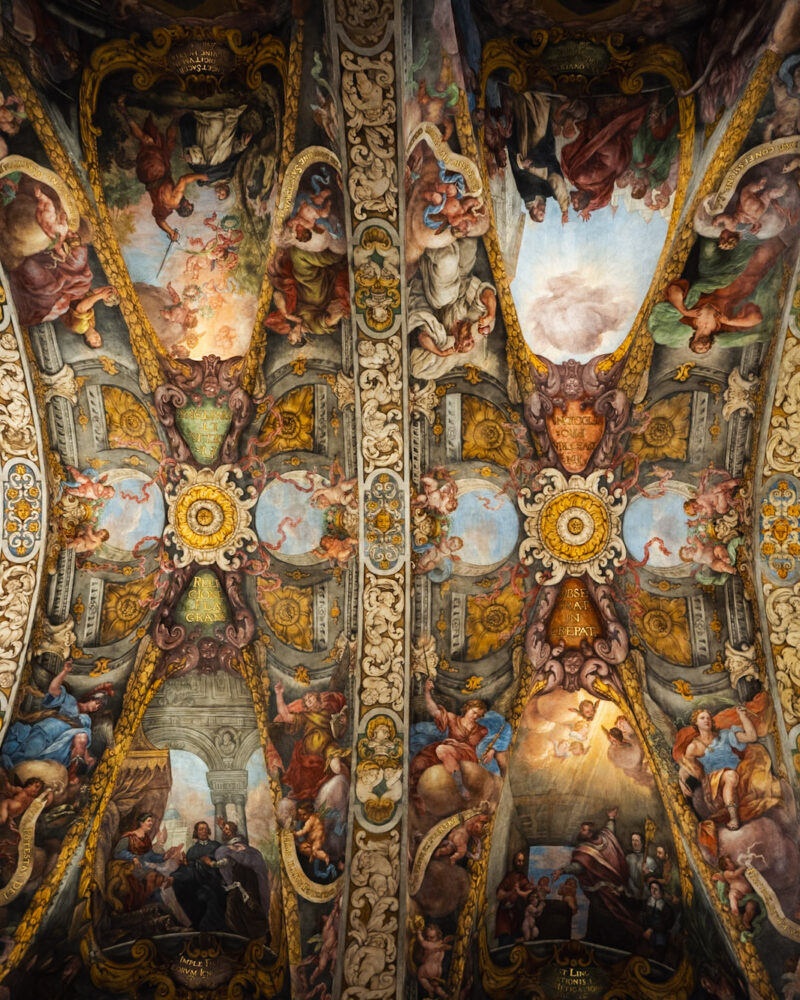
In the 17th century, the interior was magnificently transformed with an extraordinary cycle of Baroque frescoescovering the entire ceiling and upper walls. Painted by Dionís Vidal, following designs by the master painter Antonio Palomino, the frescoes depict scenes from the lives of the two patron saints. Their vibrant colors, dynamic movement, and theological symbolism earned the church its famous nickname.
Beyond its artistic splendor, San Nicolás remains an active parish and a place of prayer. The church’s recent restoration has revealed the brilliance of its frescoes, allowing visitors to experience the space as it was originally intended — filled with light, color, and spiritual meaning.
Located in Valencia’s historic center, the Church of San Nicolás de Bari stands as a powerful testament to the city’s Christian heritage and artistic devotion, offering pilgrims and visitors alike a moment of awe, contemplation, and beauty.
Directions: l’Abadia de Sant Nicolau, 8, Ciutat Vella, 46001 València, Valencia, Spain
Let me know in the comments, which one is your favorite Catholic Church in Valencia?!